
Buying guide
Best Aquarium Filter for Large Tanks: 7 High-Capacity Options
Large aquariums need more than a big flow number. Media capacity, service access, plumbing and backup planning matter just as much.
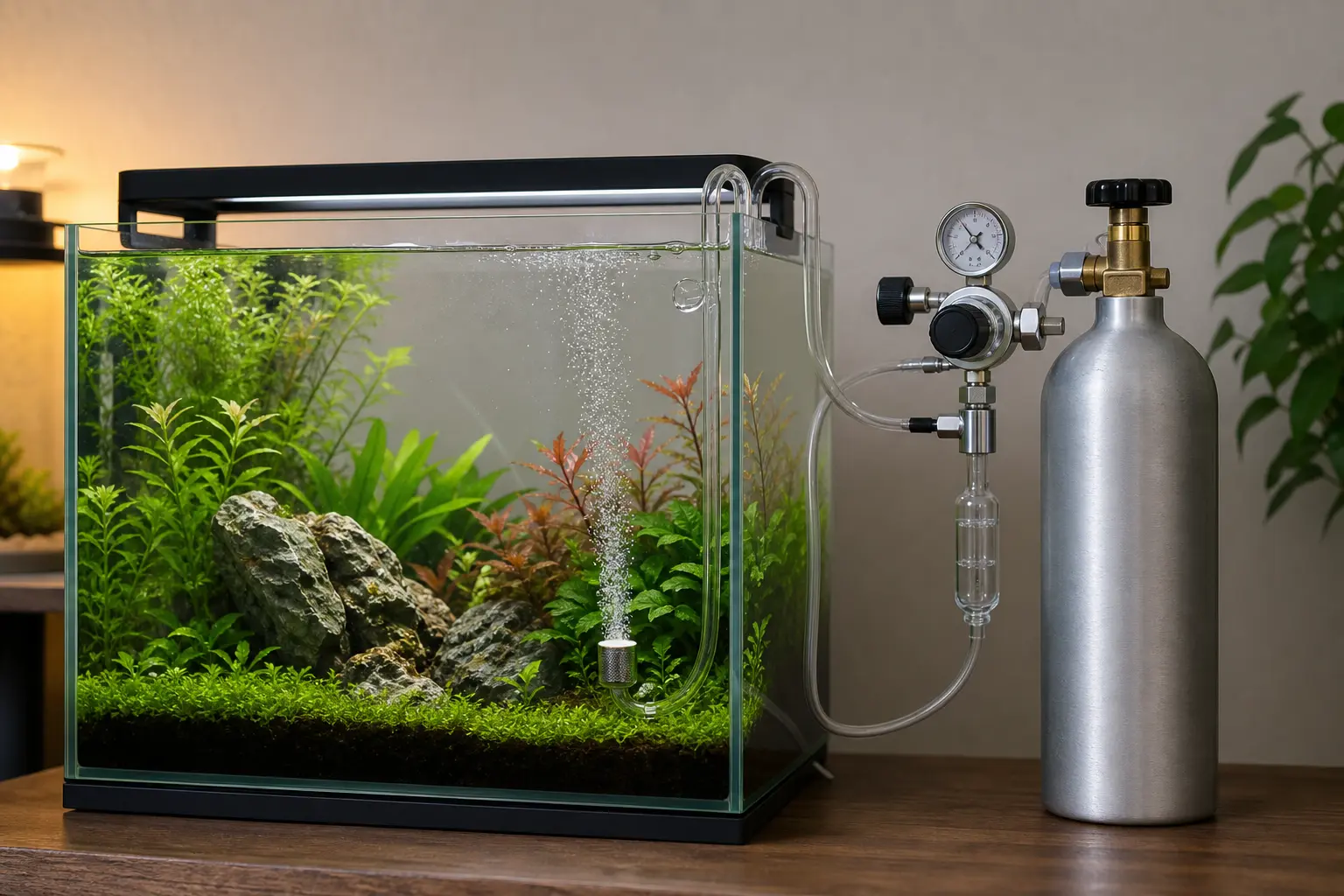
Large tanks expose the limits of undersized filtration quickly. Long pipe runs reduce real flow, fine media clogs sooner, and one stalled pump can leave a lot of livestock without circulation. The best setup is usually a canister, sump-ready pump, or two independent filters with enough biological media to service one section at a time. This is a specification-based guide, not a hands-on test. Confirm the current model, voltage, fittings, warranty and included media before ordering.
Quick comparison
| Product | Best for | Main advantage | Main drawback |
|---|---|---|---|
| Fluval FX4 | Large freshwater displays | High media capacity in a compact canister | Heavy to move when full |
| Fluval FX6 | Heavy bioloads | Large baskets and strong circulation | Needs careful hose routing |
| EHEIM Classic 600 | Quiet, simple systems | Proven, serviceable layout | Fewer convenience features |
| OASE BioMaster 600 | Frequent pre-filter cleaning | Removable pre-filter design | Premium replacement costs |
| Sicce Whale 500 | Flexible media setups | Large trays and adjustable return | Availability varies by market |
| SunSun HW-304B | Budget high-volume filtration | Several media compartments | Quality control and parts support vary |
| Penn-Plax Cascade 1500 | Broad media capacity | Large canister format | Cabinet space and hose bends matter |
Best overall: Fluval FX6
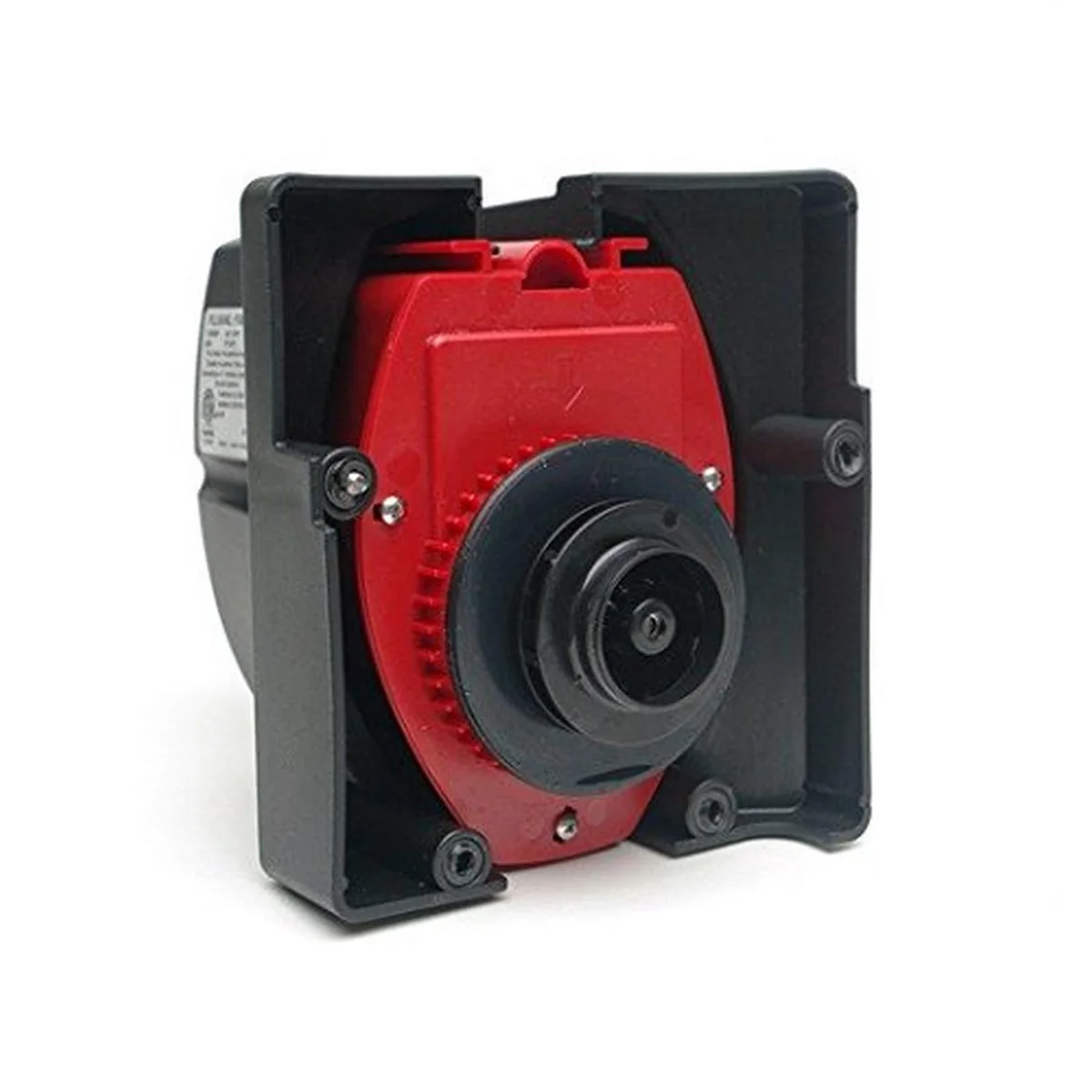
The FX6 is the sensible first look for a large, busy freshwater display. Its tall canister and layered baskets leave room for coarse mechanical media, biological media and a polishing stage without relying on one disposable cartridge. The large body is also the drawback. Measure the stand opening, allow room to disconnect hoses, and remember that a full canister is awkward to lift. Its return should create broad circulation rather than a single jet across the tank. Pros: generous media room; strong circulation; useful for messy livestock. Cons: bulky; service is a wet job; powerful output may need a spray bar. Check Fluval’s FX documentation for current fittings and media layout.
Fluval FX4
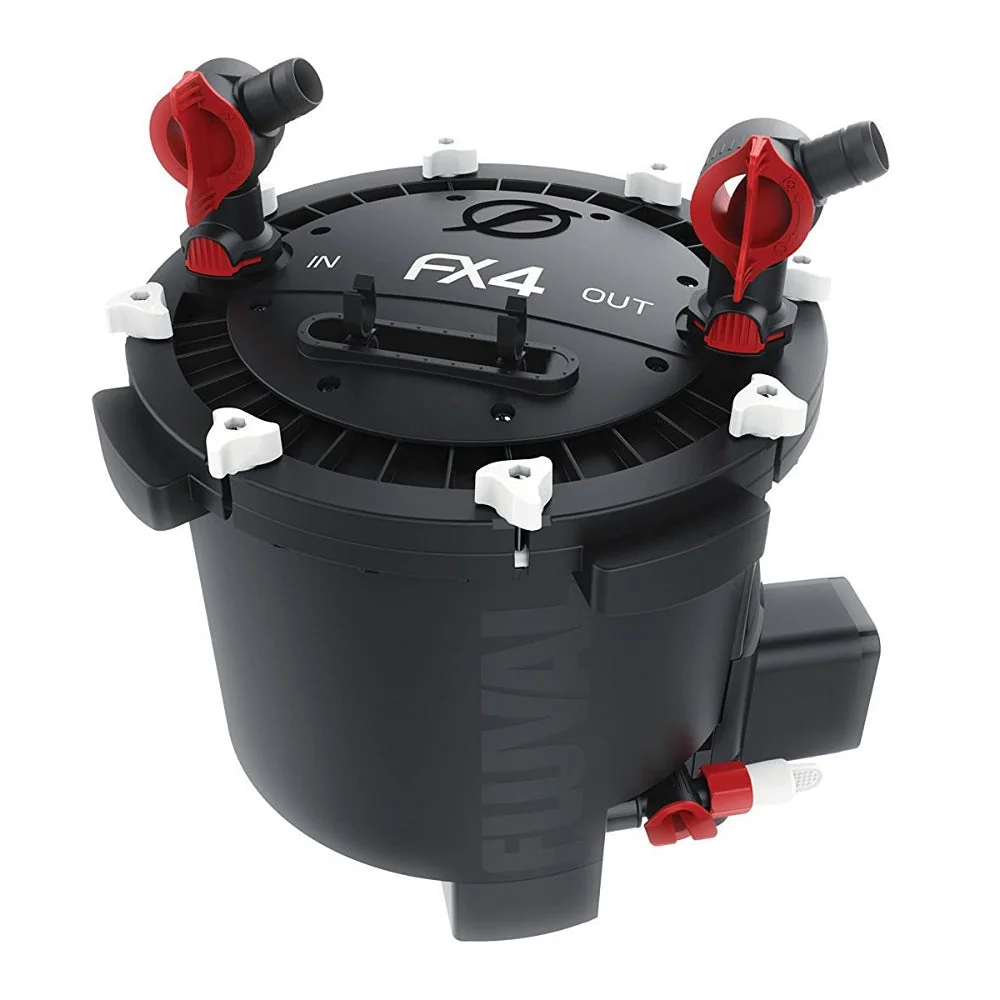
The FX4 fits owners who want a high-capacity canister without the footprint of the largest units. It makes sense for a lightly to moderately stocked large tank, or as one half of a two-filter arrangement. Use a pre-filter on the intake if the tank contains large debris or small fish. Pros: strong capacity-to-footprint ratio; flexible media; useful drain and service design. Cons: still heavy when full; output can be too direct; check cabinet clearance. Read Fluval’s FX4 product information before matching it to your tank volume.
EHEIM Classic 600
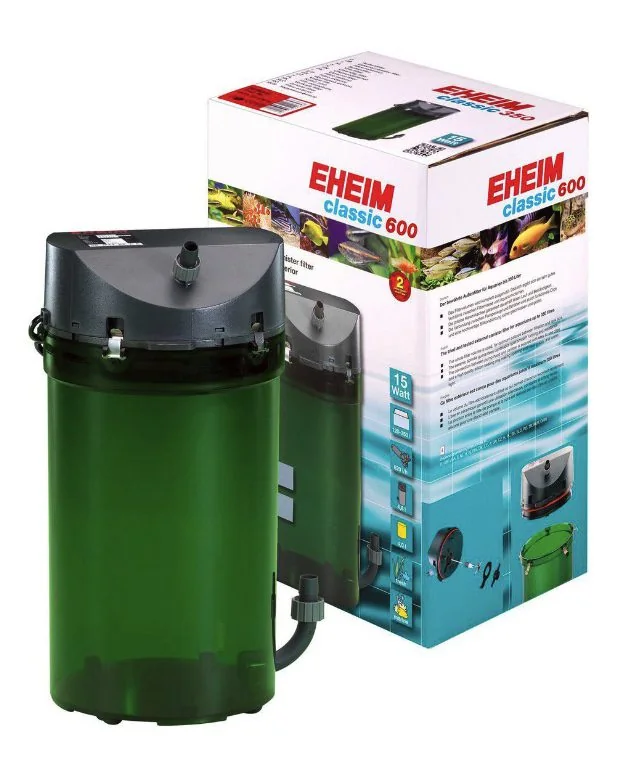
The Classic 600 is for keepers who prefer a straightforward canister that is easy to understand years later. A simple layout reduces the number of special parts, while standard hose routing makes it suitable for a dedicated cabinet. It is less attractive if you want an integrated pre-filter or push-button convenience. Pros: uncomplicated service; quiet-running design when installed well; established parts ecosystem. Cons: fewer convenience features; confirm regional electrical version; media configuration needs planning. Use EHEIM’s official filter pages to verify the exact revision and supplied media.
OASE BioMaster 600
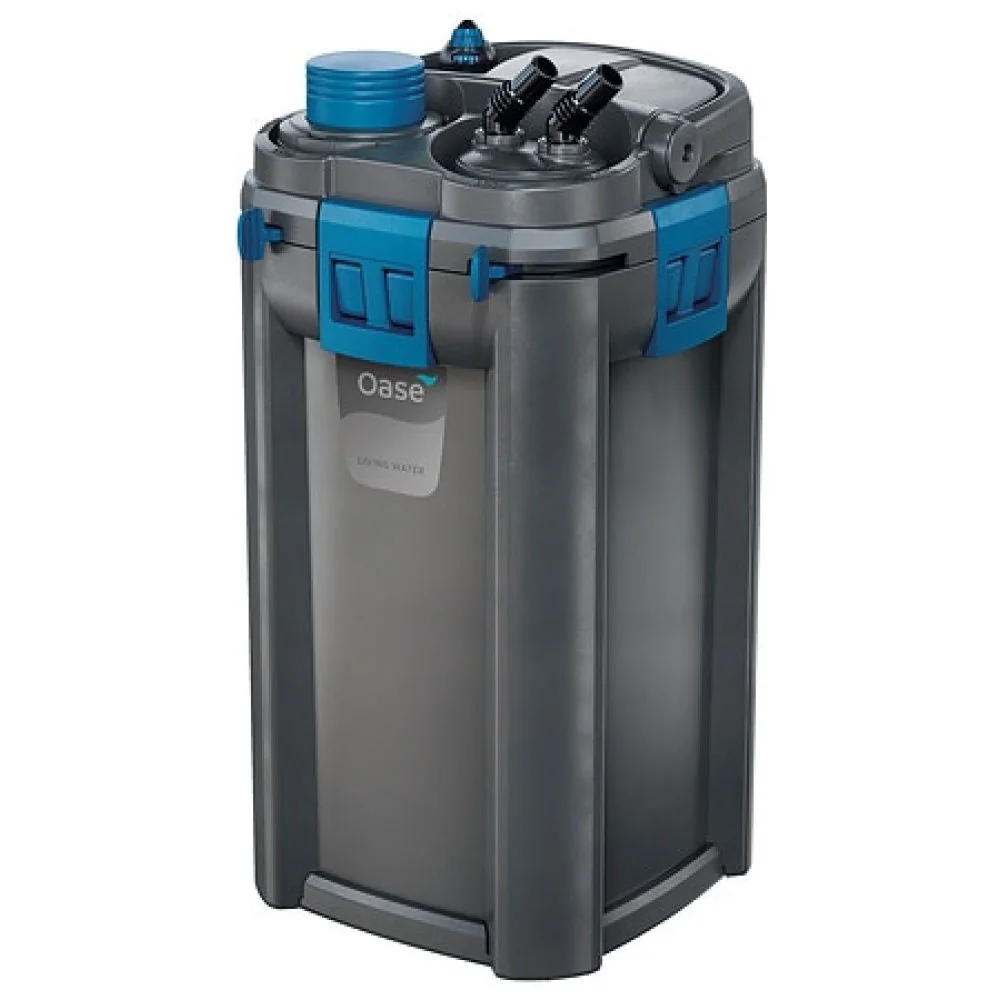
The BioMaster 600 suits a large aquarium where mechanical debris needs frequent attention. Its removable pre-filter concept lets you clean the first stage without unpacking every biological basket. That convenience costs more, and replacement parts may be less available in some regions. Pros: quick pre-filter service; tidy media stages; good match for planted displays. Cons: premium price; more parts to track; verify cabinet height. OASE’s BioMaster information is the right place to check dimensions and current accessories.
Sicce Whale 500
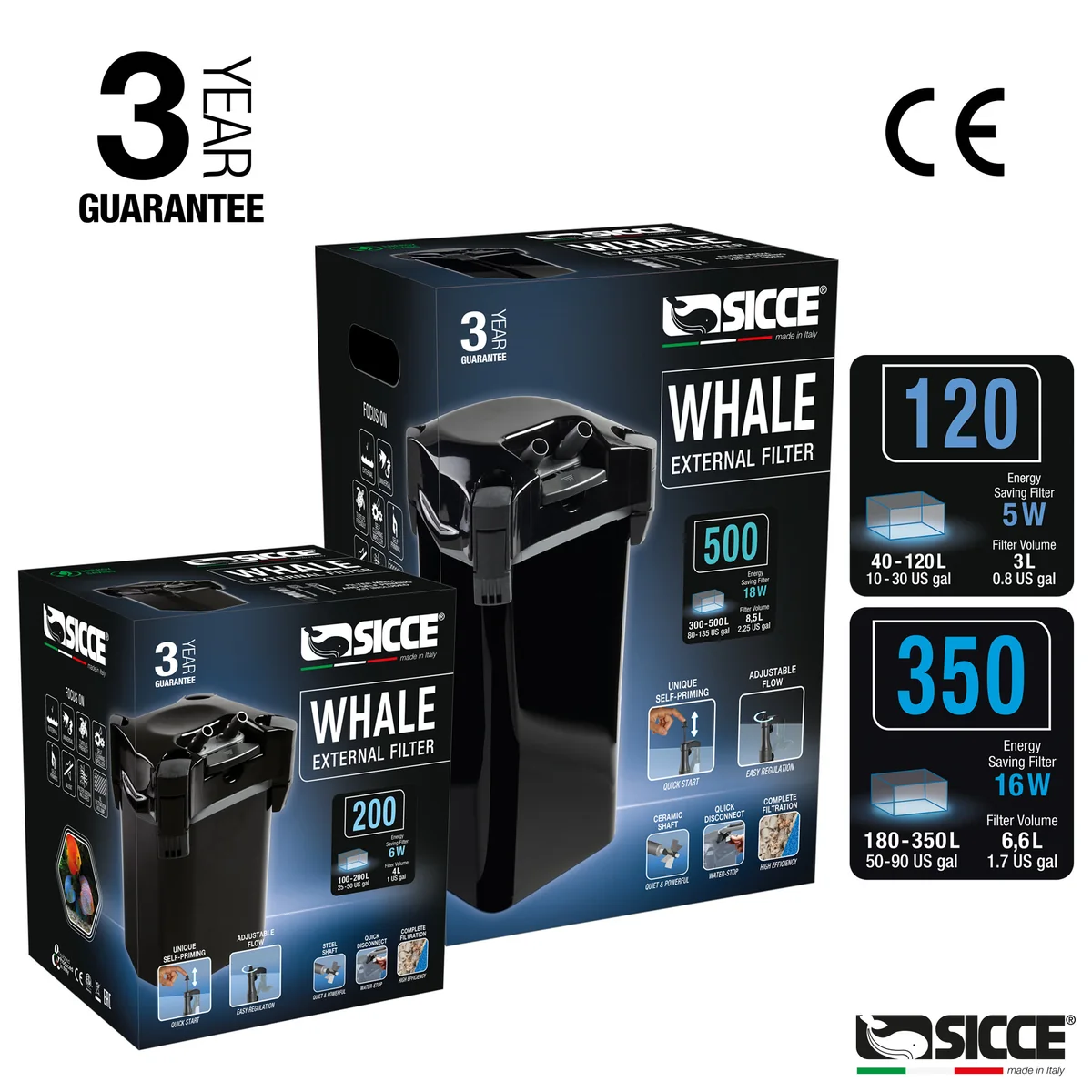
Sicce’s Whale 500 is worth considering when you want a roomy multi-stage canister and a return you can distribute with a spray bar or lily pipe. Large tanks often have dead spots behind rockwork, so plan the outlet around circulation rather than placing it wherever the hose reaches. Pros: useful tray volume; adaptable return; suitable for mixed media. Cons: regional availability; inspect included fittings; service space is easy to underestimate. Check Sicce’s Whale range for current specifications.
SunSun HW-304B
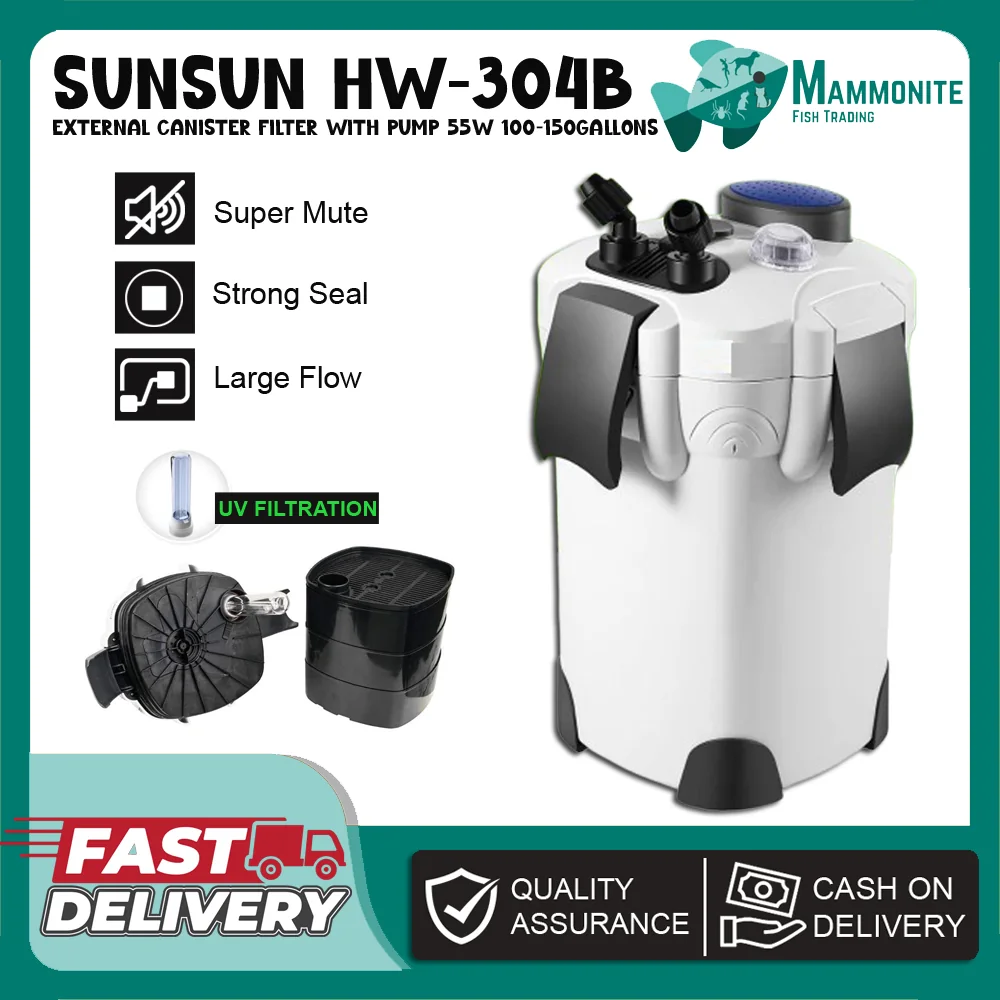
The HW-304B attracts buyers who need several media compartments at a lower entry price. Treat the headline flow with caution. Long hoses, elbows and loaded media reduce real circulation, so the installation matters more than the number on the box. Pros: spacious chambers; budget-friendly format; room for custom media. Cons: parts support varies; seals deserve careful inspection; noise depends on setup. Confirm voltage, hose size and return parts at the SunSun product listing before buying.
Penn-Plax Cascade 1500
The Cascade 1500 is a practical shortlist entry for a large tank that needs a lot of media space and a conventional canister layout. Its size makes cabinet planning non-negotiable. Leave a loop in each hose, avoid sharp bends, and keep the valves reachable. Pros: broad media capacity; familiar canister format; useful for high-bioload freshwater tanks. Cons: large cabinet footprint; hose routing affects head loss; replacement availability varies. Verify the current configuration on Penn-Plax’s filter page.
What matters in a large-tank filter
Start with media volume and service access, not the advertised gallons rating. A large aquarium with goldfish, cichlids or messy feeding needs more mechanical capacity than a lightly stocked planted display. Put coarse foam first, then biological media, and reserve fine polishing media for short periods because it clogs quickly. Keep enough biological media in a second filter or sump to service the first without resetting the whole system.
Head height changes real flow. Measure from the water surface to the filter outlet, then account for elbows, valves, spray bars and dirty media. A long, narrow hose can restrict flow more than owners expect. Use wide, smooth routing where the filter supports it, and secure every connection against cabinet movement.
Flow distribution matters in tanks with long footprints or large décor. A spray bar, dual returns or a strategically aimed outlet can prevent stagnant corners. Surface movement supports gas exchange, but a reef-style blast is not suitable for every freshwater community. A pre-filter sponge protects small fish and extends the interval between canister cleanings.
Redundancy is often worth more than a single oversized pump. Two independent filters can keep circulation running during one service interval and spread flow across the tank. Put them on separate outlets where practical, keep spare impellers and seals, and never clean all biological media at once. Unplug equipment before placing hands in the tank. Rinse biological media in removed aquarium water, not chlorinated tap water.
Frequently asked questions
Is a sump better than a canister for a large aquarium?
A sump offers excellent media volume and easy equipment access, but it needs an overflow, return pump and safeguards against power loss. A canister is simpler when the aquarium is not drilled.
Should a large tank use two filters?
Often, yes. Two moderate filters provide independent circulation and make maintenance less disruptive. They also double the parts and cleaning schedule, so plan for that work.
Does a higher flow rating always mean better filtration?
No. Flow falls through hoses and loaded media, and excessive current can stress fish. Choose media capacity and controllable, well-distributed circulation together.
How often should I service a large canister?
Inspect the intake and mechanical foam weekly. Clean when flow drops or debris builds up, while leaving biological media undisturbed unless it is genuinely blocked.
Related guides: best aquarium filter for a 55-gallon tank, best aquarium filter for a 75-gallon tank and best aquarium filter for goldfish.
Sources and methodology
We compared manufacturer information from Fluval, EHEIM, OASE, Sicce, SunSun and Penn-Plax, focusing on media access, service design, plumbing and circulation planning. No hands-on testing was performed. Check live Amazon listings for current availability, regional voltage and included parts.