
Best Sponge Filter for a Shrimp Tank: 7 Safe, Gentle Picks
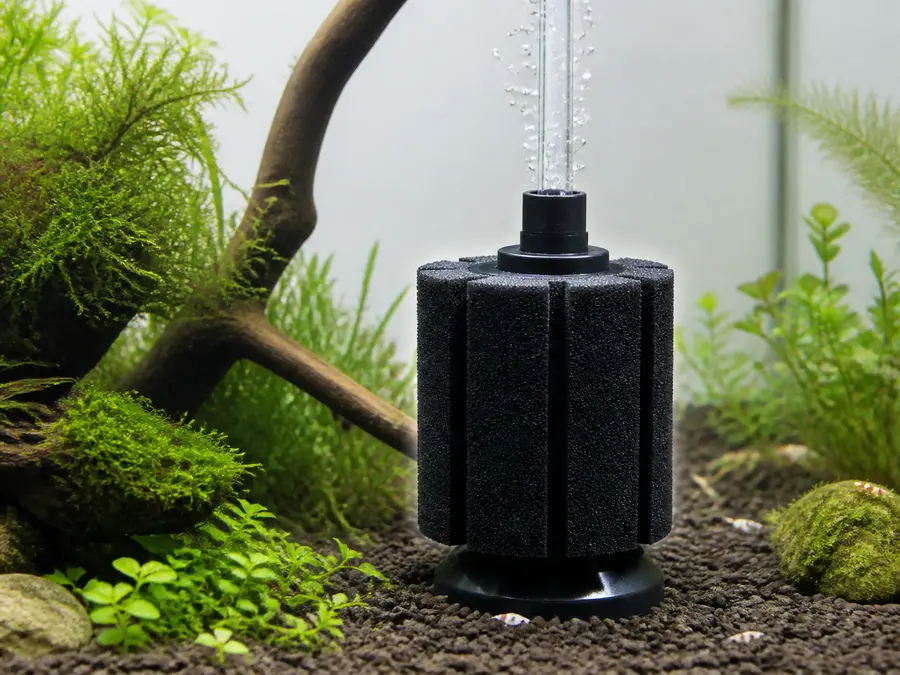
The best sponge filter for a shrimp tank is the Aquarium Co-Op Nano Sponge Filter for most small colonies. It has a broad, soft intake surface, gentle flow, and a compact body that leaves room for moss and hiding places. The Hygger Double Sponge Filter is a better fit for a larger colony or a tank where you want more biological media. No filter is unconditionally shrimp-safe: these picks remove impeller-intake risk, but safety depends on intact foam covering the water intake and airflow adjusted so shrimplets can graze and swim without being swept away.
This guide is based on manufacturer specifications and aquarium-care references, not hands-on testing. Check the current Amazon listing for the correct size, fittings, and price before ordering.
Quick comparison
| Filter | Best fit | Sponge style | Air pump note |
|---|---|---|---|
| Aquarium Co-Op Nano Sponge Filter | Nano shrimp tanks | Single fine sponge | Small, adjustable pump |
| Hygger Double Sponge Filter | Growing colonies | Two sponge chambers | Medium pump |
| Aquaneat Sponge Filter | Budget setups | Fine cylindrical sponge | Small to medium pump |
| NICREW Aquarium Sponge Filter | Quiet bedrooms | Compact foam body | Adjustable pump |
| XY-2831 Corner Sponge Filter | Tight footprints | Corner-mounted sponge | Low airflow |
| Aquarium Co-Op Large Sponge Filter | Heavy bioloads | Large surface area | Medium to strong pump |
| Pawfly Aquarium Sponge Filter | Starter shrimp tanks | Small dual sponge | Adjustable pump |
Our top picks
Aquarium Co-Op Nano Sponge Filter: best overall for small shrimp tanks
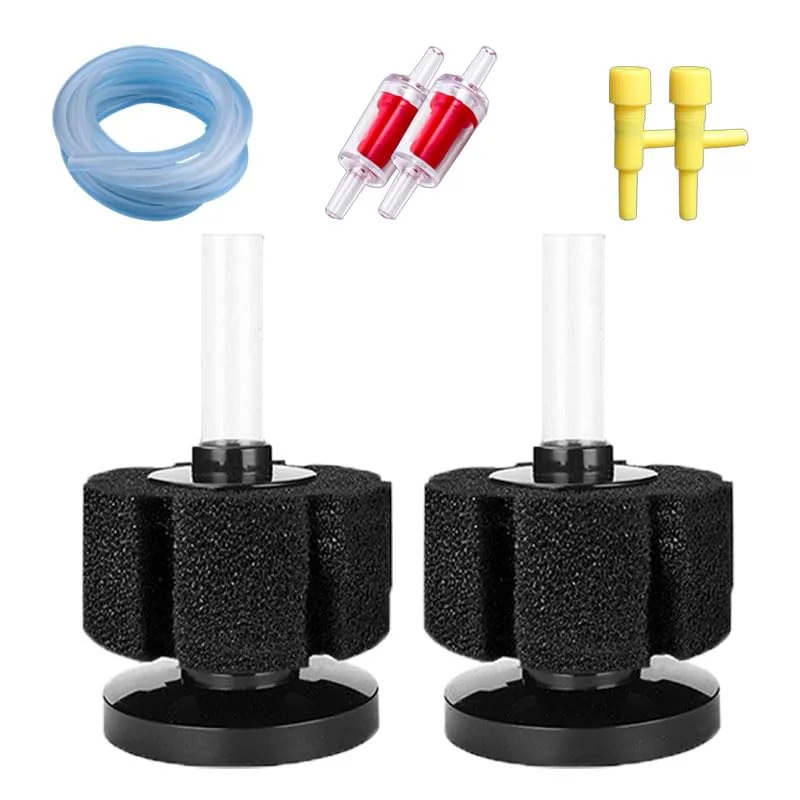
This is the easiest recommendation for a 2.5 to 10 gallon shrimp setup. Its soft sponge gives shrimplets a safer surface than a bare impeller intake, and the bubbles keep water moving without turning the tank into a washing machine. It also gives grazing shrimp a place to pick at biofilm between feedings. The small footprint matters in a nano tank where every inch competes with plants and wood.
Pros: gentle intake, compact footprint, easy to rinse. Cons: limited capacity for a very large colony, needs an air pump and airline separately.
Hygger Double Sponge Filter: best for a growing colony
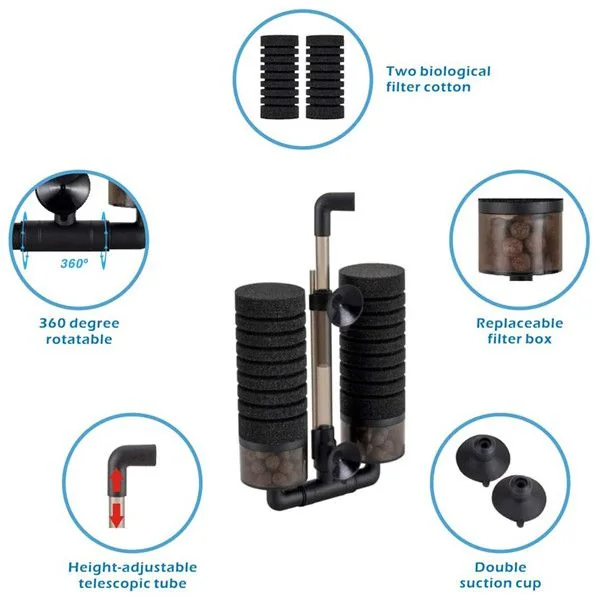
Two sponge chambers provide more surface area and let you clean one side while the other keeps its established bacteria. That is useful when a shrimp colony expands or when the aquarium also houses snails and small fish. Keep the air valve partially closed if the bubbles create too much turbulence. Double filters are taller and wider, so measure the back corner before buying.
Pros: strong biological capacity, clean one side at a time, good for breeding tanks. Cons: larger footprint, can be noisy with a harsh pump.
Aquaneat Sponge Filter: best low-cost choice
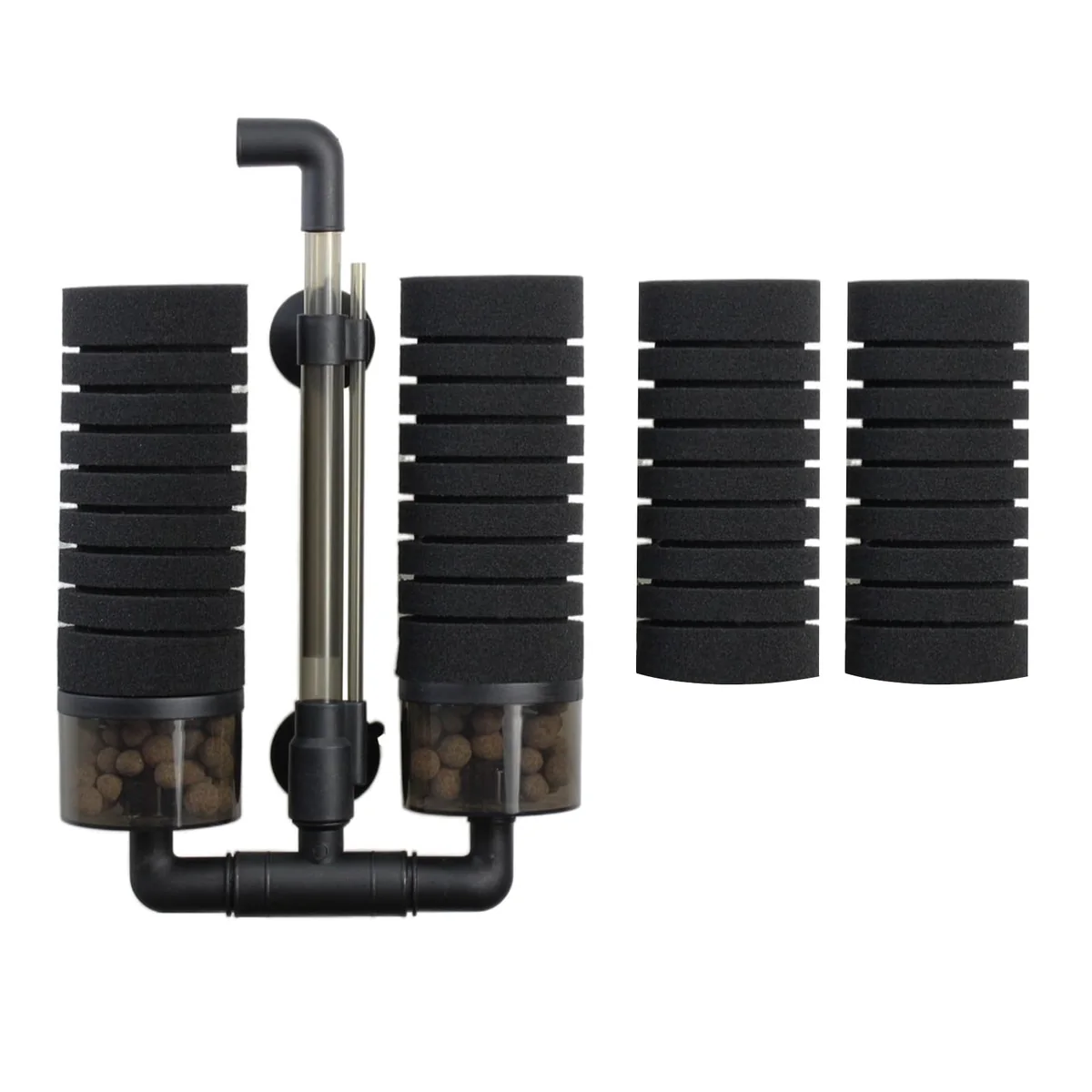
Aquaneat-style sponge filters are a sensible starting point for a simple shrimp-only tank. The brand is sold under that single name, but the exact unit varies by listing, so treat “Aquaneat” as a family rather than one fixed model. The sponge traps suspended debris while bacteria colonize its surface. Select the smallest model that covers the tank volume rather than buying an oversized unit and compensating with excessive airflow. A coarse sponge can be fine for adults, but a pre-filter or finer replacement sponge is preferable where shrimplets are present.
Pros: inexpensive, simple parts, broad size range. Cons: model sizes vary by listing, included air accessories may be basic.
NICREW Aquarium Sponge Filter: best compact quiet option
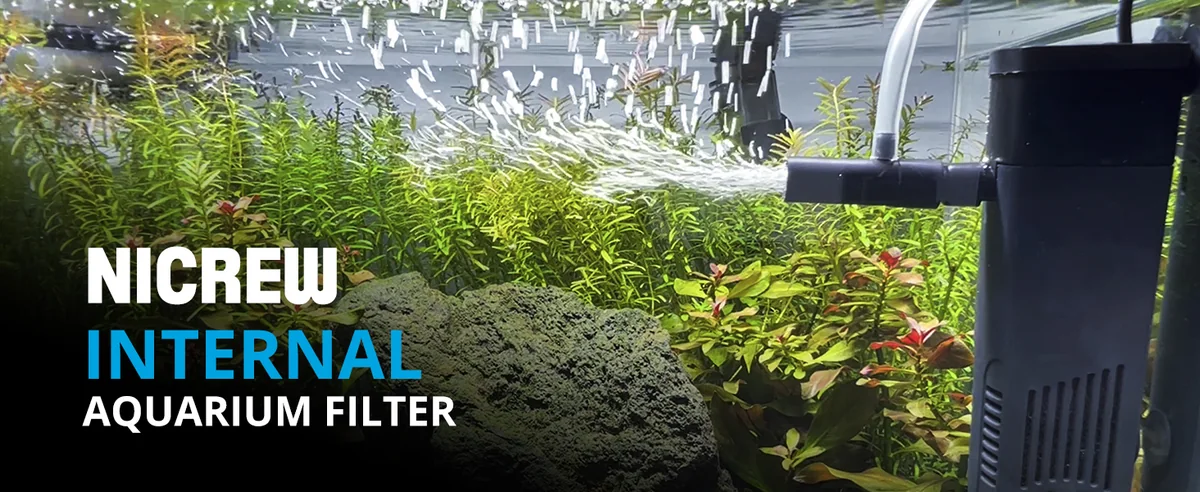
NICREW’s compact formats suit shrimp aquariums on a desk or bedside table. Use a quiet, adjustable air pump and place it on a soft pad to reduce vibration. The filter should make a steady stream of small bubbles, not a loud churning column. If the listing offers several sizes, choose by the manufacturer’s stated tank range and leave room for a gentle flow adjustment.
Pros: small footprint, easy to pair with a low-output pump, accessible replacement parts. Cons: less sponge volume than a double unit, sizing needs careful reading.
XY-2831 Corner Sponge Filter: best for a tight footprint
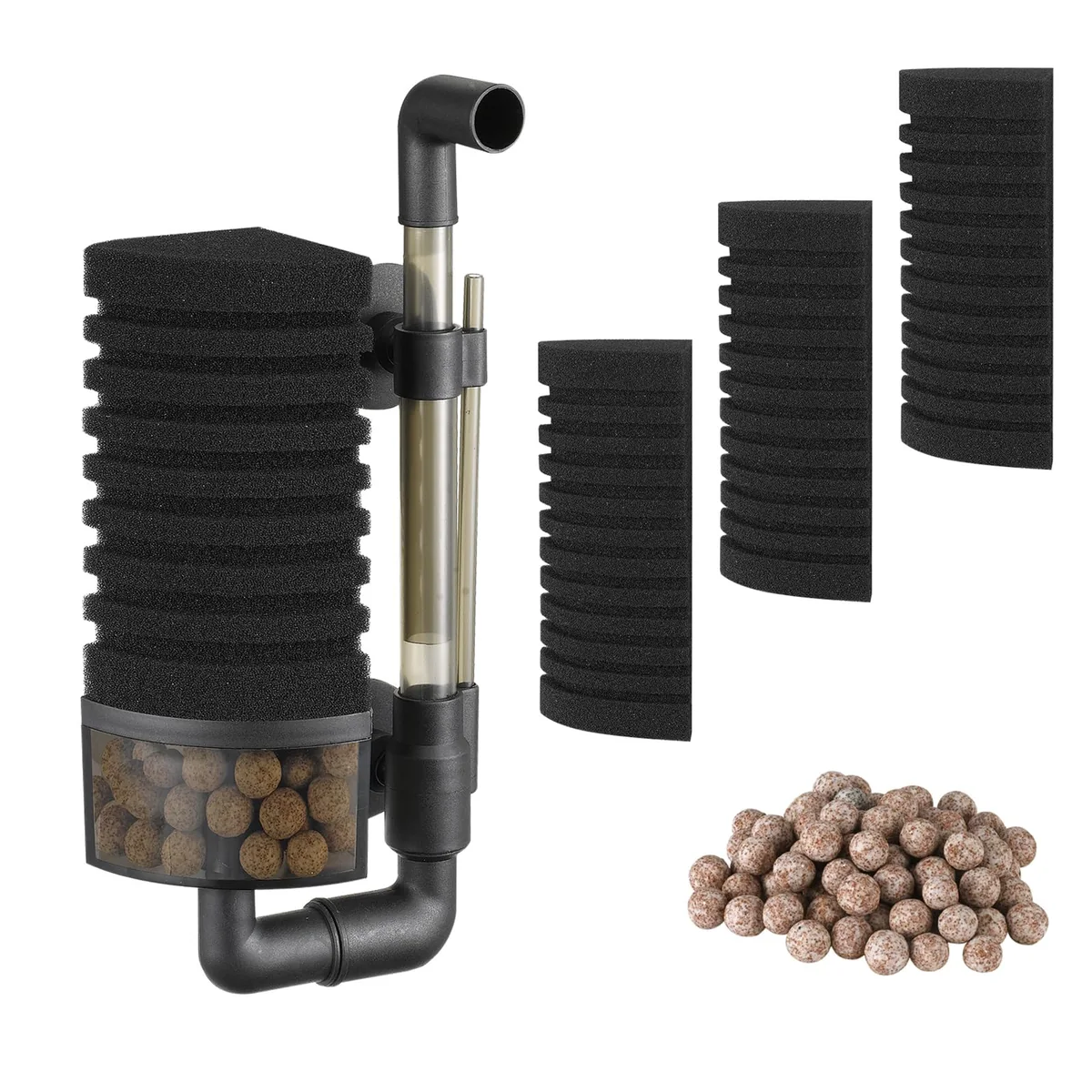
The corner format keeps the middle of a nano tank open for feeding and aquascaping. It works well when a shrimp colony spends much of its time on moss and hardscape rather than swimming through the whole water column. Check the suction cups and corner dimensions. A poor fit can leave a gap where debris collects or make the unit lean into the plants.
Pros: uses an otherwise wasted corner, gentle intake, open swimming area. Cons: less flexible placement, may be too small for dense colonies.
Aquarium Co-Op Large Sponge Filter: best for heavy biological demand
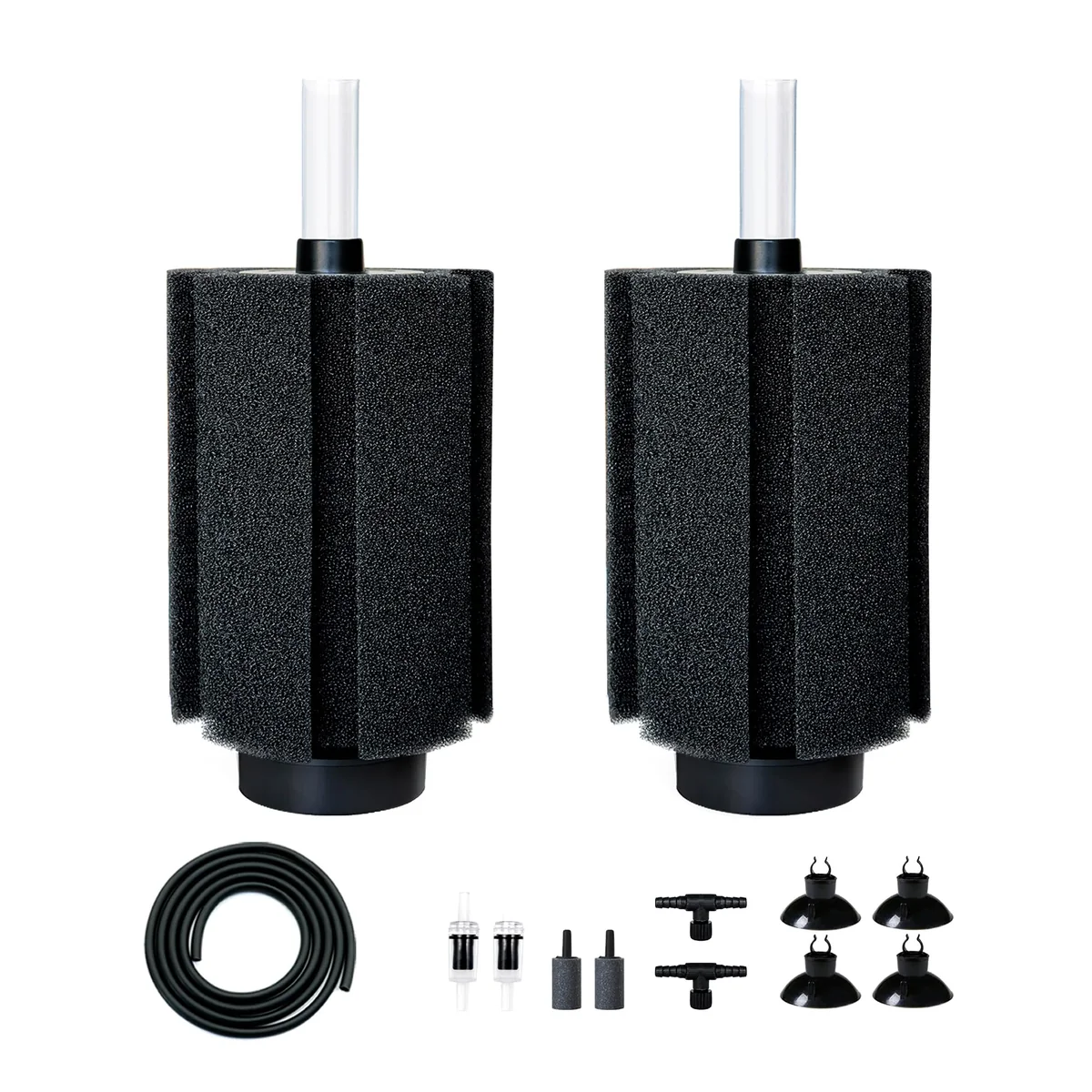
Choose a large sponge when the tank has a mature colony, frequent feeding, or additional livestock. More foam surface gives beneficial bacteria room to process waste, but capacity does not replace water changes. Use an air valve to tune the lift. Shrimp should be able to graze and move normally around the outlet without being pinned against the glass.
Pros: high surface area, sturdy design, useful for colonies and quarantine tanks. Cons: takes up display space, can produce too much flow with a strong pump.
Pawfly Aquarium Sponge Filter: best simple starter kit
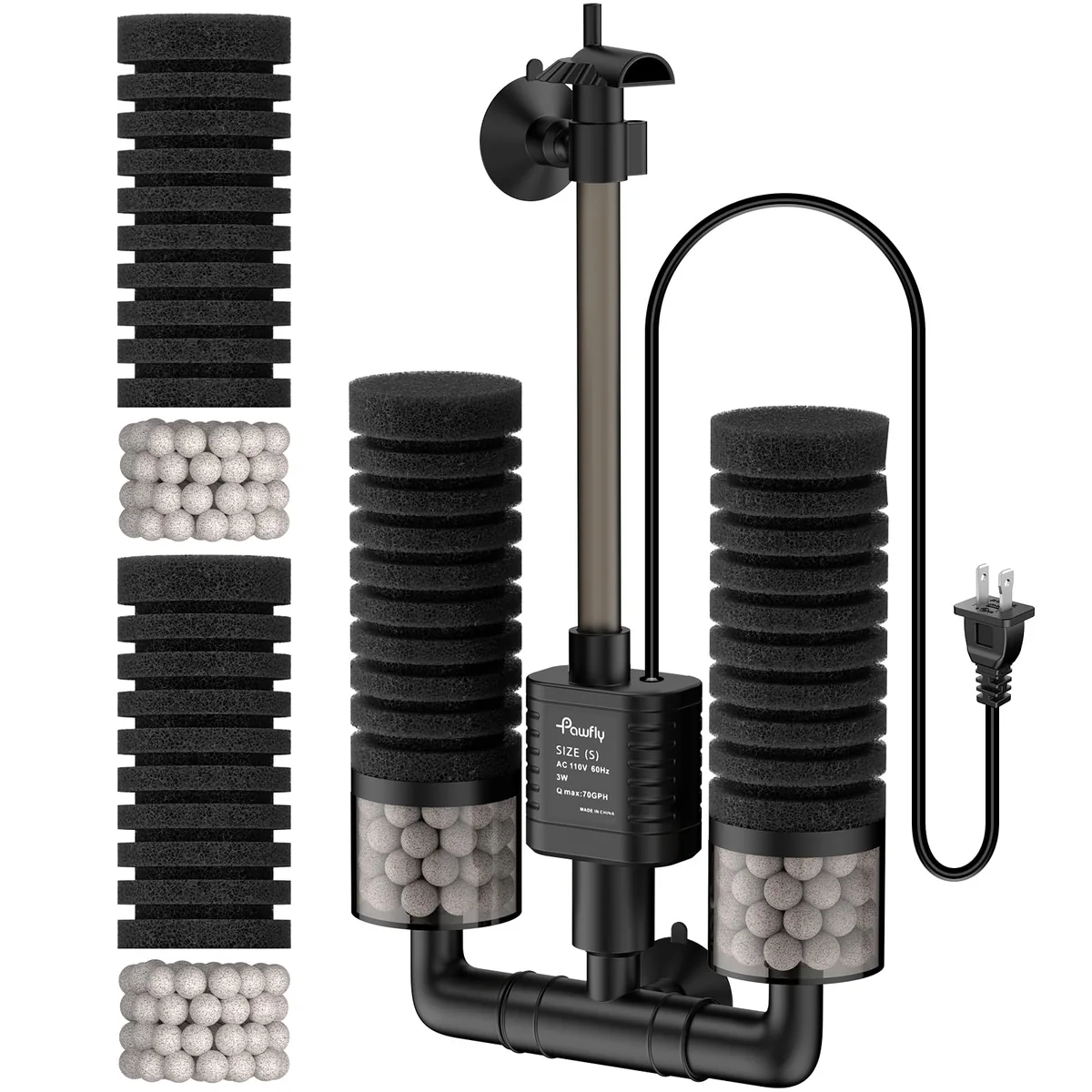
Pawfly’s small sponge formats are useful when you want a straightforward filter for a new shrimp aquarium or hospital container. Confirm whether the chosen listing includes airline, check valve, or air stone. The sponge must stay fully submerged, and the outlet should break the surface gently. If the foam is too coarse for newborn shrimplets, add a fine pre-filter sleeve rather than increasing pump power.
Pros: approachable setup, small versions available, simple to service. Cons: bundled parts differ, foam may need a finer guard for breeding.
What makes a sponge filter shrimp-safe?
Look for fine, open-cell foam with no exposed impeller intake. Pore size is a compromise. Very fine foam protects tiny shrimplets and collects more fine food, but it clogs sooner. Coarser foam resists clogging and offers good flow, but newborn shrimp can reach openings on some designs. A removable pre-filter sleeve is a useful middle ground.
Airflow should be gentle. Start with the air valve mostly closed, then open it until you see reliable lift and surface movement. The air pump’s advertised output is a maximum, not a target. A small adjustable pump is easier to tune than a powerful fixed-output model. Add a check valve above the tank’s waterline to prevent back-siphoning during a power cut.
Sponge filters also grow biofilm, which shrimp naturally graze. Do not sterilize the foam or rinse it under chlorinated tap water. During a water change, squeeze it several times in removed aquarium water until the worst debris is gone. Replace foam only when it is breaking down. New foam should be seeded beside the old sponge for several weeks before the old one is discarded.
Footprint and placement
Put the filter in a rear corner, leaving the intake clear of substrate and moss. Measure width and height with the airline attached. A tall double filter can block light or become a climbing point for curious shrimp. In a heavily planted tank, a smaller filter plus regular maintenance is often better than a large unit that displaces the habitat.
FAQ
Can a sponge filter suck up baby shrimp?
Fine sponge normally protects shrimplets, but inspect seams and exposed airline intakes. Add a fine pre-filter if you see juveniles near a gap.
Do shrimp need a strong filter?
They need stable, clean water, not forceful flow. Size the sponge for biological capacity and adjust the air pump until shrimp can move and graze comfortably.
How often should I clean the sponge?
Check it during weekly maintenance. Rinse it in removed tank water when flow drops or the foam is visibly loaded. Avoid replacing all established media at once.
Is one sponge filter enough for a shrimp tank?
Usually, yes. A second sponge adds backup and surface area for a large colony, but it also uses space and may need a larger air pump.
Sources and methodology
I reviewed manufacturer product specifications and care guidance from Aquarium Co-Op, Hygger, NICREW, Pawfly, and Aquaneat listings, alongside general filtration and nitrogen-cycle references from aquarium-care sources. Brand names and model designations vary between listings — some units are sold under several spellings or sizes — so match the exact product described rather than the brand name alone. Recommendations emphasize fine intake protection, adjustable low flow, serviceability, and usable tank footprint. Model names, included accessories, and availability can change, so confirm the current listing before purchase. This site has not tested these products in a live aquarium, and specifications are as published when compiled rather than re-verified for this update.
For related decisions, see our guides to the best aquarium filter for a betta fish and the best aquarium filter for a 10-gallon tank.