
Buying guide
Best aquarium filter for betta fish
A sponge filter is the safest default for a betta because it keeps water moving without creating a strong jet.
Quick comparison
| Product | Best for | Drawback |
|---|---|---|
| AQUANEAT Bio Sponge Filter | Gentle default | Air pump required |
| Aquarium Co-Op Medium Sponge Filter | Broad sponge area | Visible hardware |
| Hygger Sponge Filter | Budget | Pump sold separately |
| Fluval AquaClear 20 Power Filter | Adjustable HOB | Needs baffling |
| Seachem Tidal 35 Power Filter | Self-priming HOB | Oversized |
| Tetra Whisper IQ 10 Power Filter | Small HOB | Cartridge cost |
| Aqueon QuietFlow Internal Filter | No HOB access | Uses tank space |
We researched specifications and independent guides. We did not hands-on test these filters. A betta should be able to rest and reach the surface without fighting the flow.
The picks
AQUANEAT Bio Sponge Filter
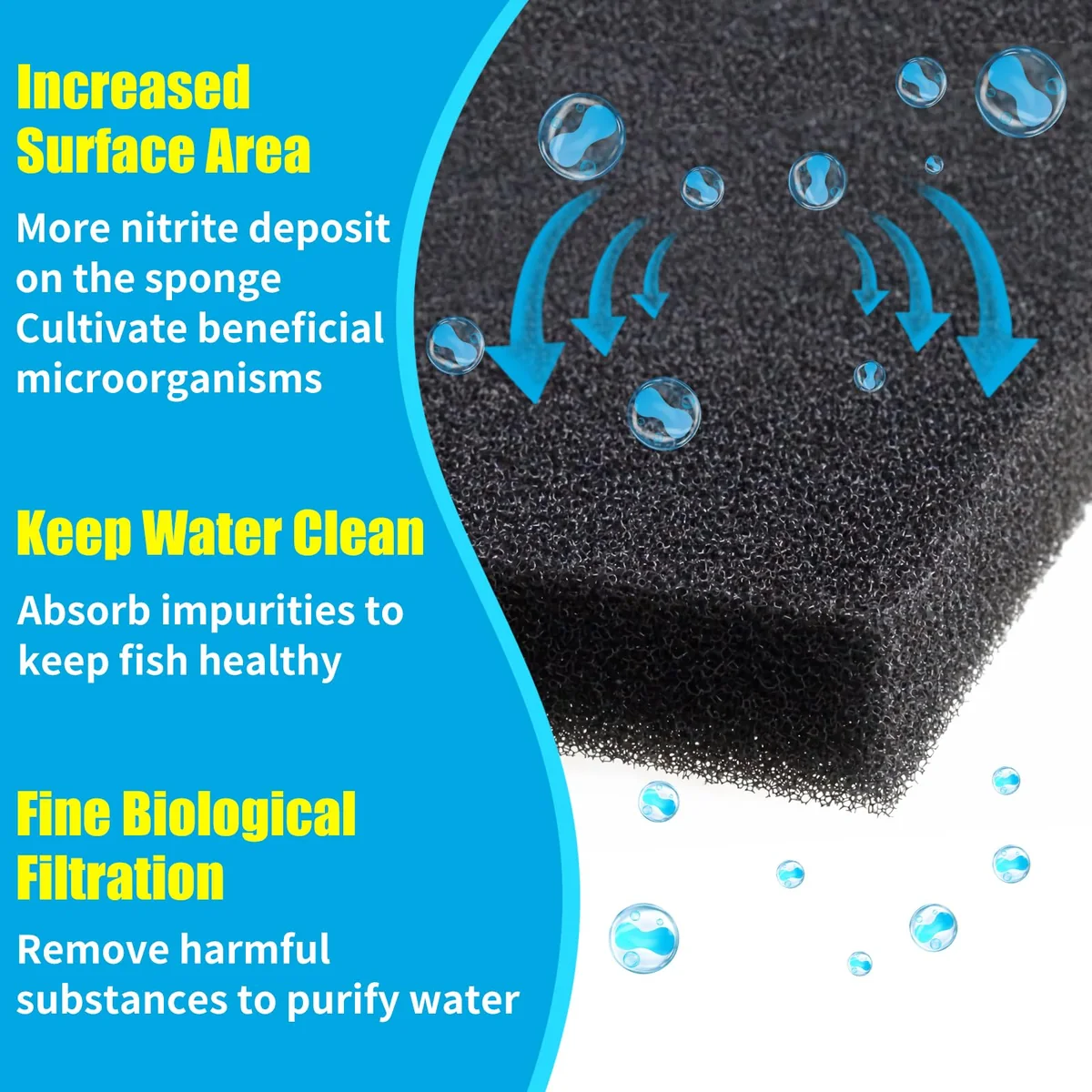 This is the easiest betta recommendation. Air bubbles pull water through a sponge, giving gentle mechanical and biological filtration with no narrow powered intake. Add an air pump, airline, and check valve. Pros: gentle current, reusable media, safer intake. Cons: visible sponge, separate pump, less fine-particle polishing.
Aquarium Co-Op Medium Sponge Filter
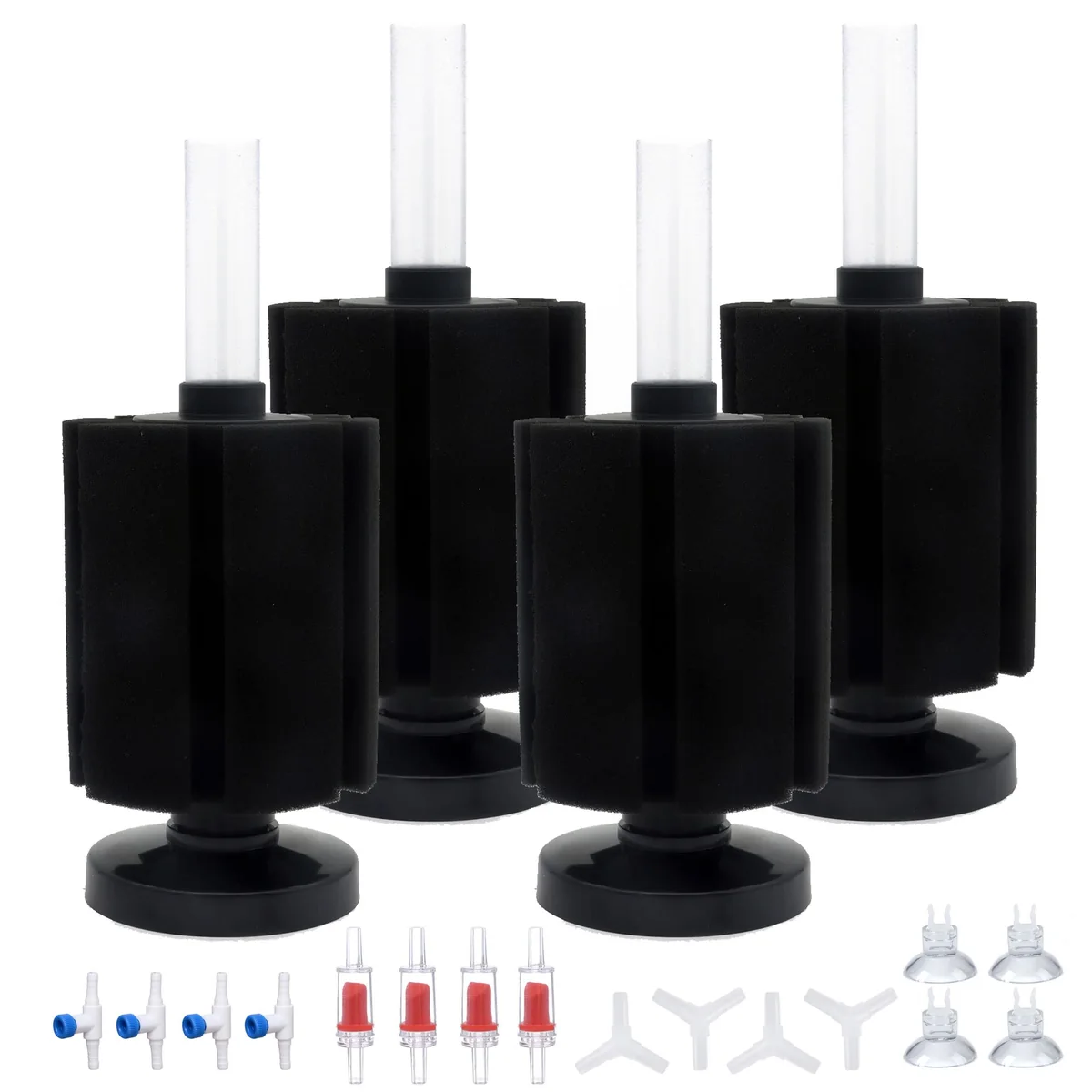 The medium sponge offers generous surface area and a calm airlift. It makes sense for a 5- to 20-gallon betta setup where appearance is less important than stable, low-flow filtration. Pros: simple maintenance, gentle. Cons: takes room, needs pump.
Hygger Sponge Filter
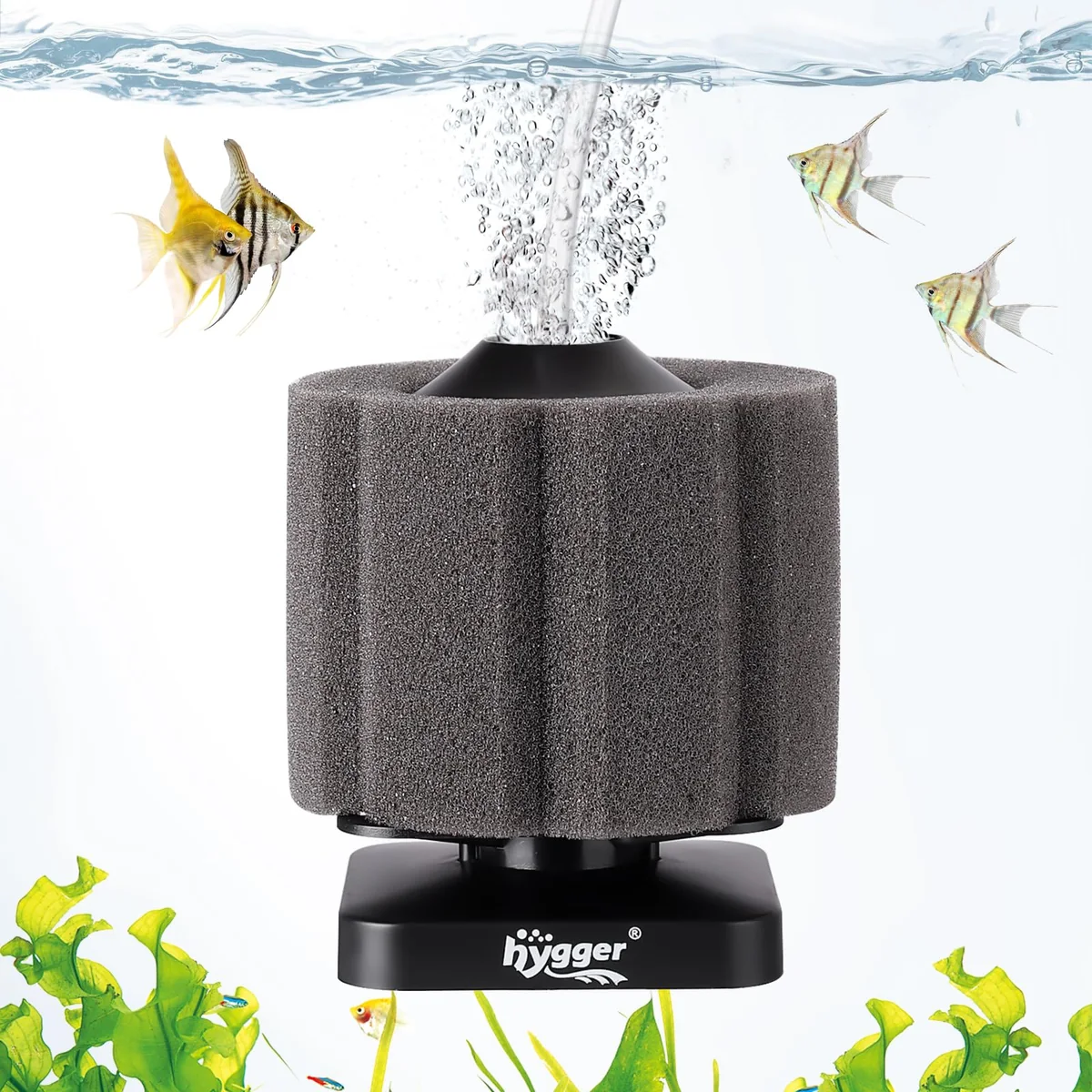 Hygger gives budget shoppers another air-driven route. Bubble rate depends on the pump and air valve, so tune it until the fish can cruise normally. Pros: affordable, soft flow. Cons: pump and airline may be separate, coarse bubbles.
Fluval AquaClear 20
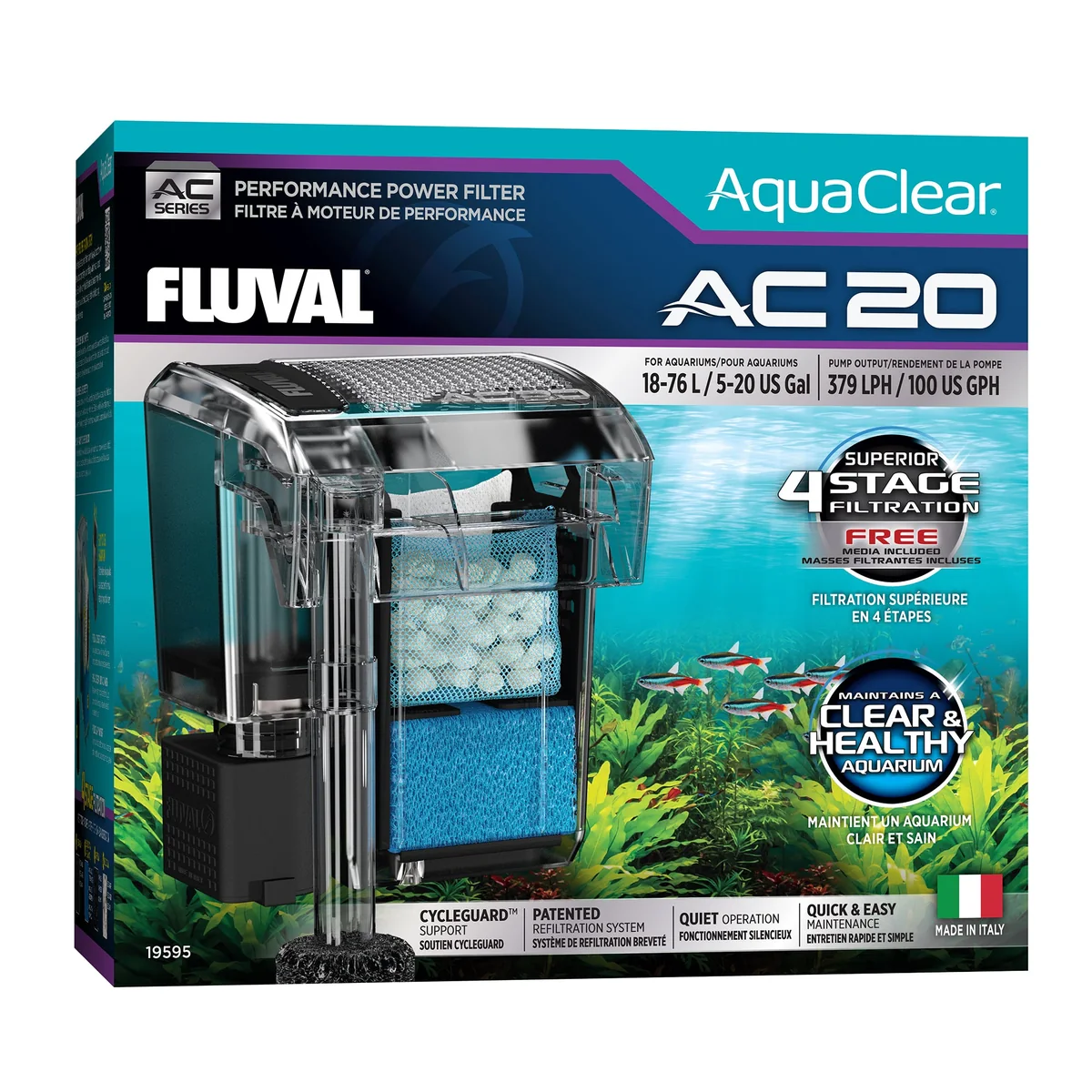 The AC20 works for owners who want a HOB basket. Turn down the output and cover the intake with a pre-filter sponge. A return baffle may be needed for a long-finned betta. Pros: refillable media, adjustable lever. Cons: unmodified flow can be tiring, manual prime.
Seachem Tidal 35
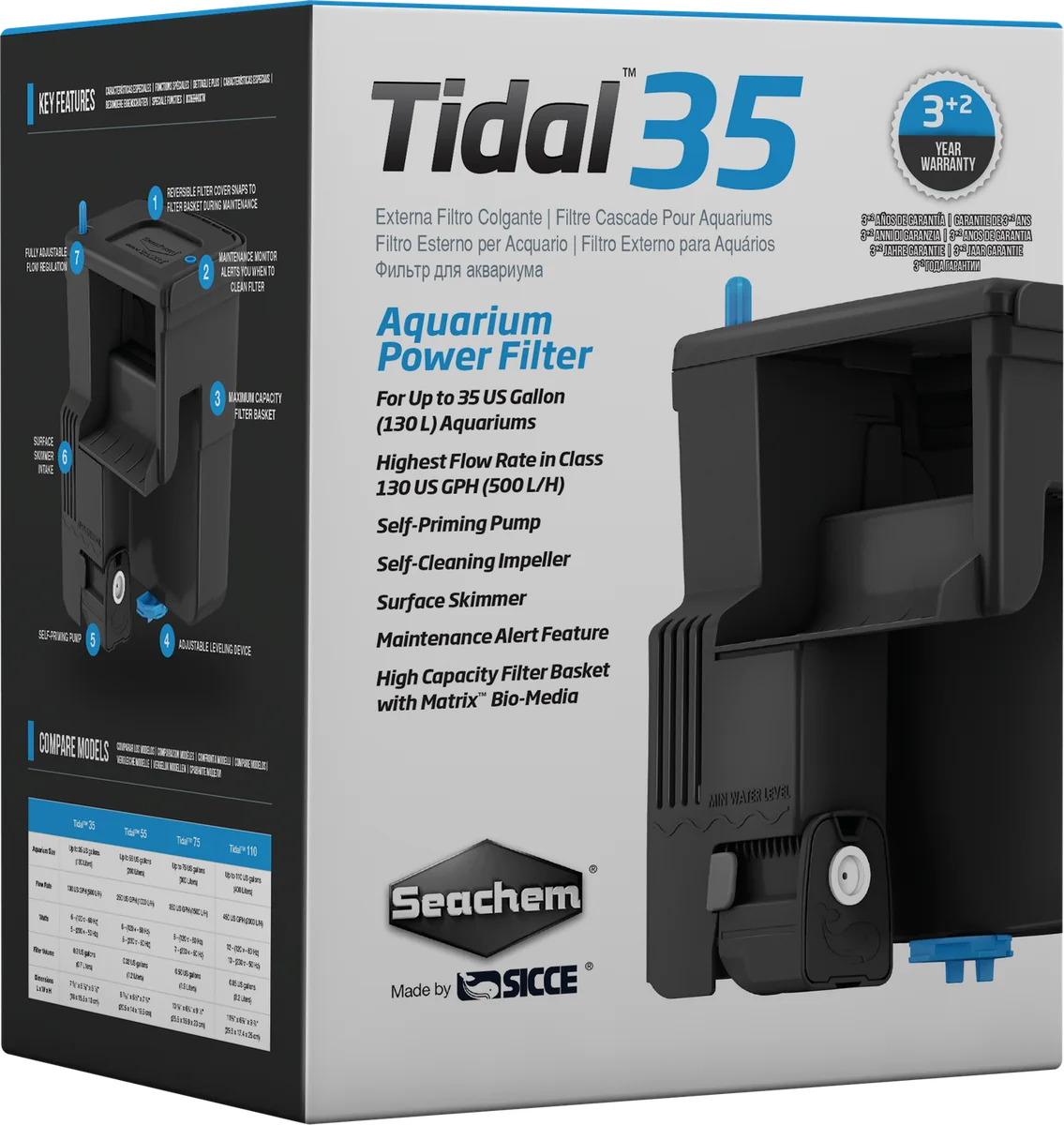 The Tidal restarts itself after power interruptions and offers a flow dial. It is large for many betta tanks, and its skimmer can pull floating food. Use only at a genuinely gentle setting, with return protection where needed. Pros: self-priming, flexible basket. Cons: footprint, skimmer and current.
Tetra Whisper IQ 10
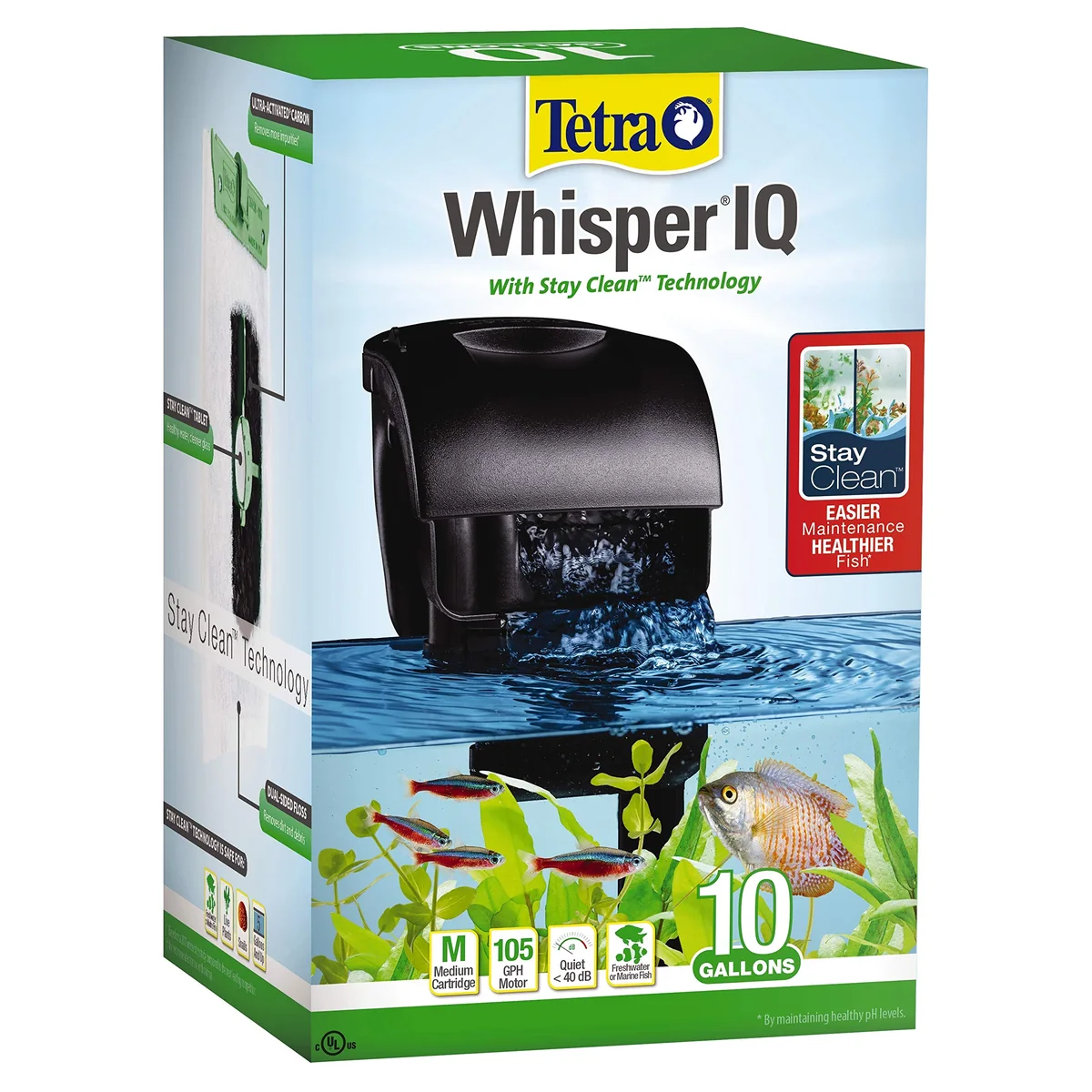 This small HOB is a reasonable non-air choice when compactness and a flow control matter. It still benefits from intake protection and a softened return. Pros: compact, straightforward. Cons: cartridge replacement, less media choice.
Aqueon QuietFlow Internal Filter
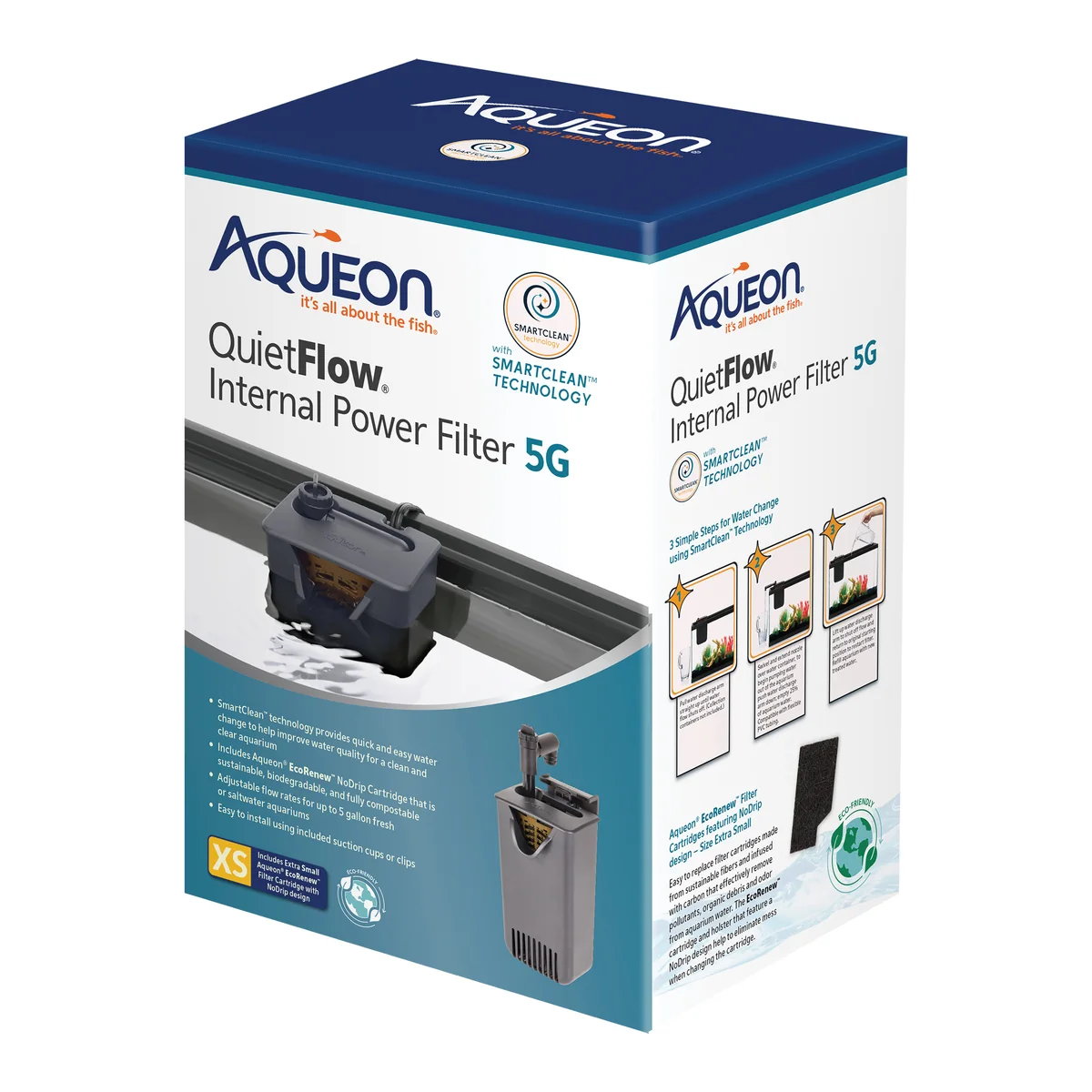 An internal model is useful with a lid that blocks a HOB. Confirm the smallest suitable model and turn flow down. Pros: no rim clearance, contained installation. Cons: occupies swimming space, cartridge media.
Betta-specific buying criteria
Flow comes first. A filter that moves more water is not automatically better. Look for adjustable output, a wide or baffled return, and an intake that cannot trap fins. Sponge filters need an air valve so the bubbles do not churn the whole surface. Keep the water level high enough to reduce a HOB waterfall. Clean sponges in removed tank water, not chlorinated tap water.
FAQs
Do bettas need a filter?
Usually yes. Filtration supports biological processing of waste, but it does not replace partial water changes or a cycled aquarium.
Is a sponge filter better than a HOB?
For a betta, it is often the easier low-flow option. A HOB gives more media flexibility, but you must soften its intake and return when necessary.
Can strong flow harm a betta?
It can exhaust fish with long fins and prevent normal resting. Watch behavior and adjust the equipment rather than relying only on a product rating.
Recommendation
Start with AQUANEAT or Aquarium Co-Op sponge filtration. Choose AquaClear 20 or Tidal 35 only if you want a HOB and are prepared to reduce and diffuse the flow.
Sources and methodology
Manufacturer references: Seachem, Fluval, Aqueon. Independent references: AquaGearLab and Fish Tank World.
Related guides
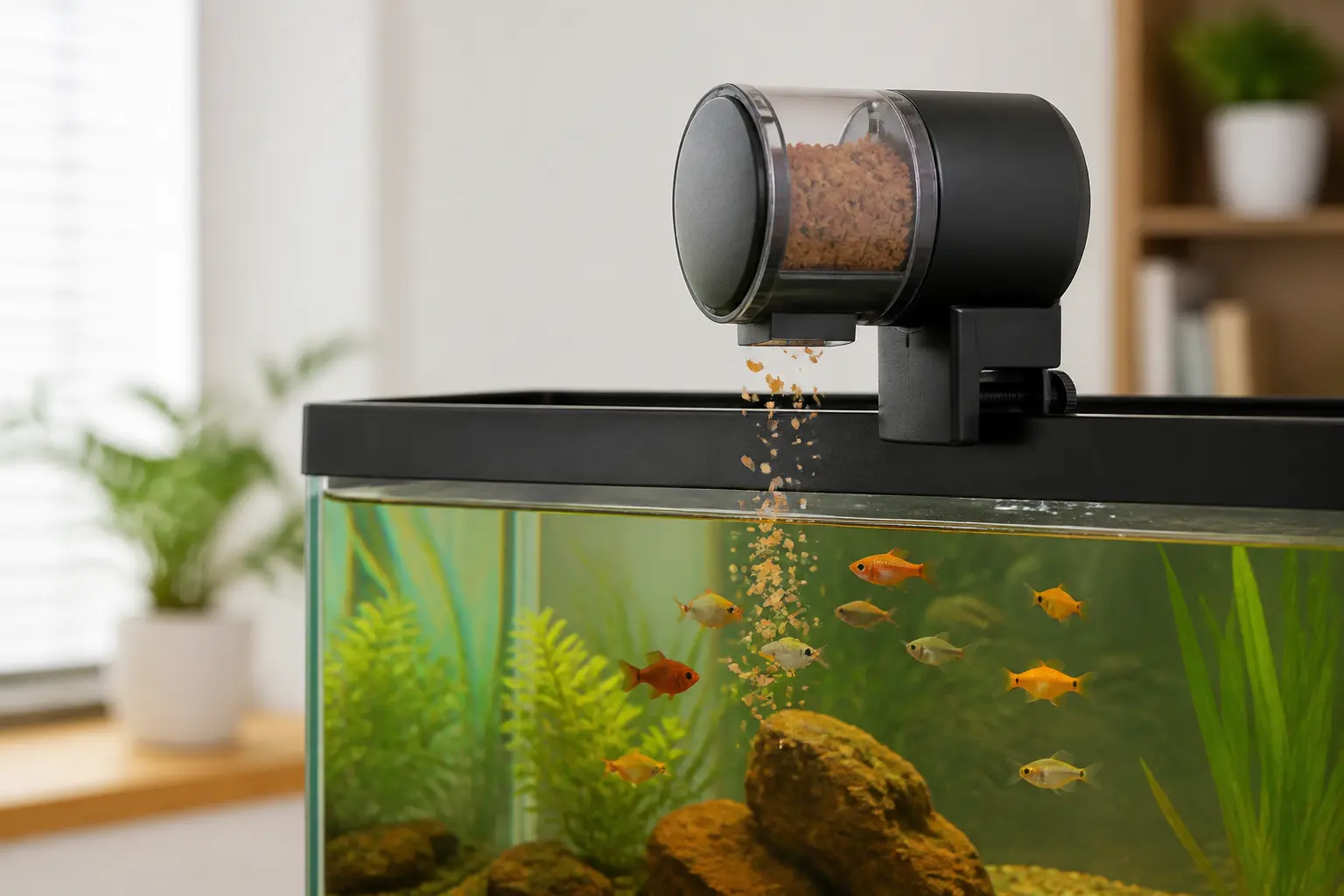
A calm filter also makes feeding easier. Turn a powered filter down briefly during feeding only if the manufacturer permits it, then restore circulation. Never leave filtration off for long periods because oxygen and biological processing can fall quickly.
Match the filter to the tank’s footprint, lid, and water level. A good fit is easier to maintain every week.
A calm setup checklist
Set the intake low enough to draw water but cover it with a fine pre-filter sponge. Keep the return below or just at the waterline so it does not create a hard waterfall. A floating plant, broad-leaf plant, or aquarium-safe sponge can break up the stream. Adjust air valves slowly. Too many bubbles can make the surface turbulent even when the pump is advertised as quiet.
Observe the fish after installation. A betta that repeatedly hides behind the heater, struggles to hold position, or avoids the open water may need less current. Test water during the first month and after cleaning. Rinse sponges in old tank water, never chlorinated tap water, and keep replacement media seeded rather than discarding all established material. These steady maintenance habits matter more than chasing a “high-flow” rating.