
Buying guide
Best aquarium light for freshwater fish
A good freshwater fish light makes fish easy to see without turning the aquarium into a glare box or an algae farm.
Quick comparison
| Product | Best for | Main drawback |
|---|---|---|
| NICREW ClassicLED Plus | Everyday community tanks | Basic timer |
| Finnex Stingray 2 | Slim setups | Limited tuning |
| Fluval Plant 3.0 | Fish and plants | More controls than needed |
| Chihiros WRGB II Slim | Rich color | Controller setup |
| Current USA Satellite Plus Pro | Dimming | Extra controller |
| AQUANEAT Full Spectrum LED Aquarium Light | Budget tanks | Fewer adjustments |
| Hygger Advanced LED | Scheduled lighting | Check mounting |
This is a research-based guide, not a hands-on test. Fish do not need maximum brightness. A consistent day and a shaded retreat are usually kinder than a powerful fixture running all day.
Our picks
NICREW ClassicLED Plus
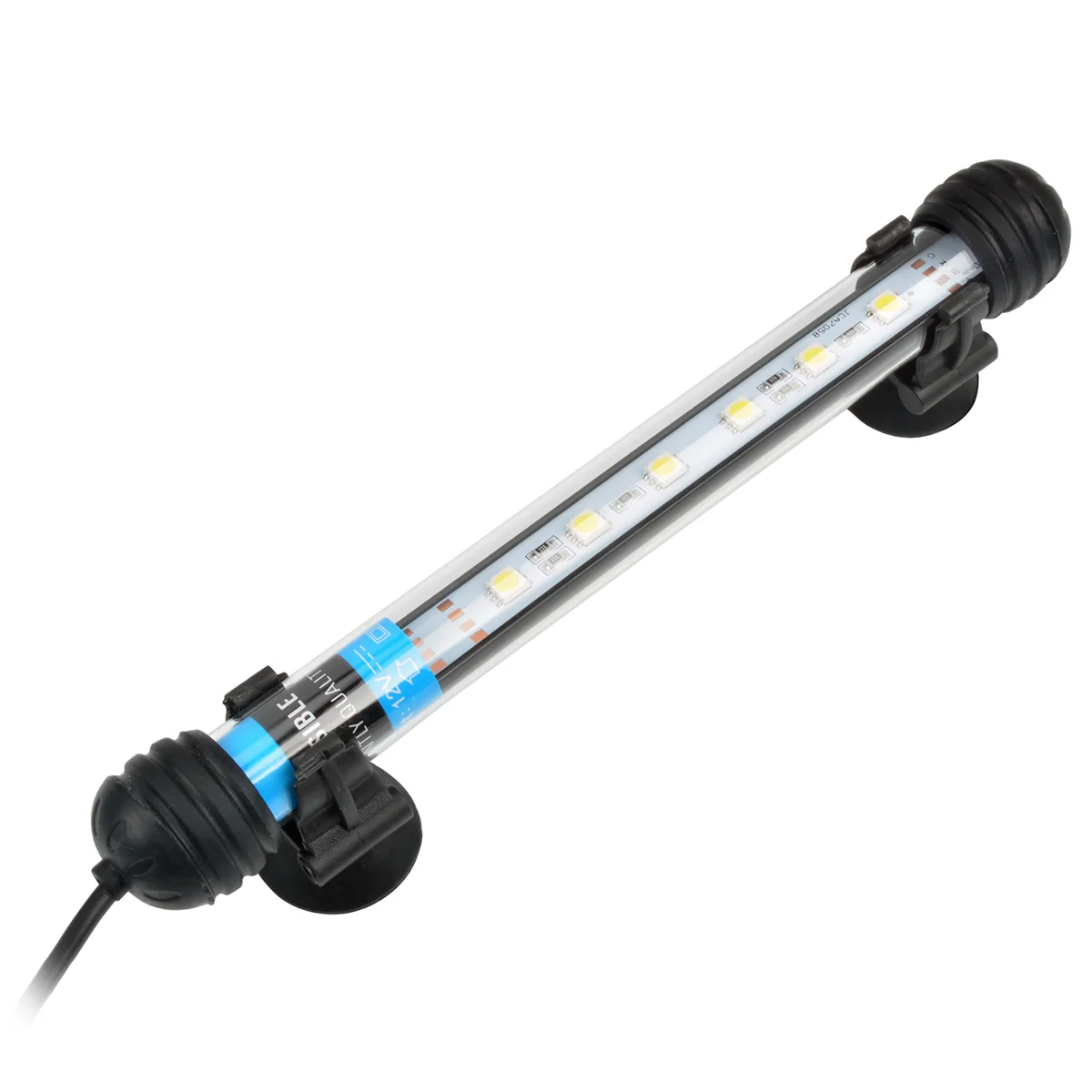 An easy choice for a community display where fish visibility matters more than advanced plant growth. Pros: simple; even light. Cons: basic controls.
Finnex Stingray 2
 The low-profile strip keeps the lid area tidy and provides restrained illumination. Pros: slim; gentle. Cons: modest adjustability.
Fluval Plant 3.0
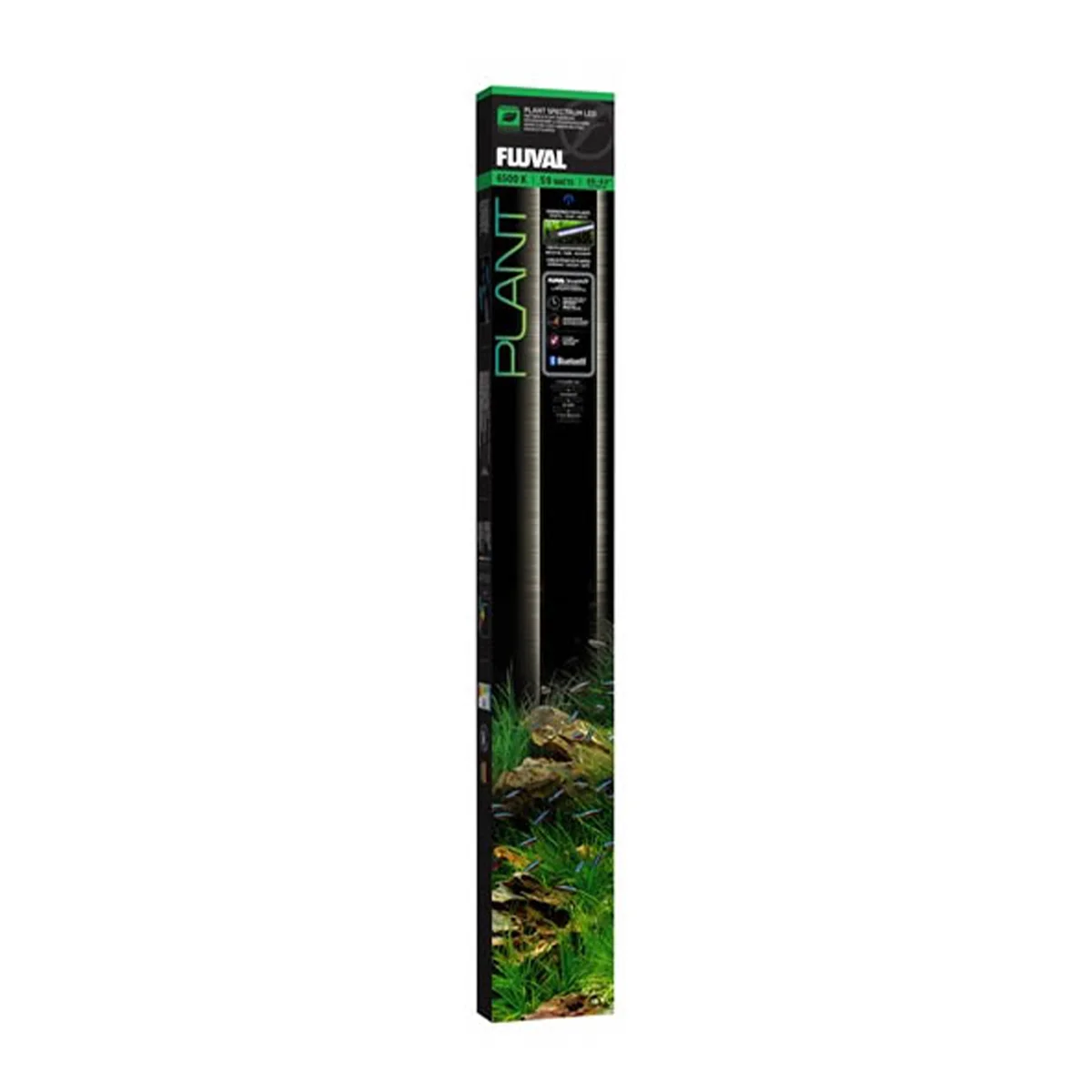 Use the app to create a gradual sunrise and sunset, then keep intensity comfortable for the fish. Pros: scheduling; flexible. Cons: unnecessary complexity for a fish-only tank.
Chihiros WRGB II Slim
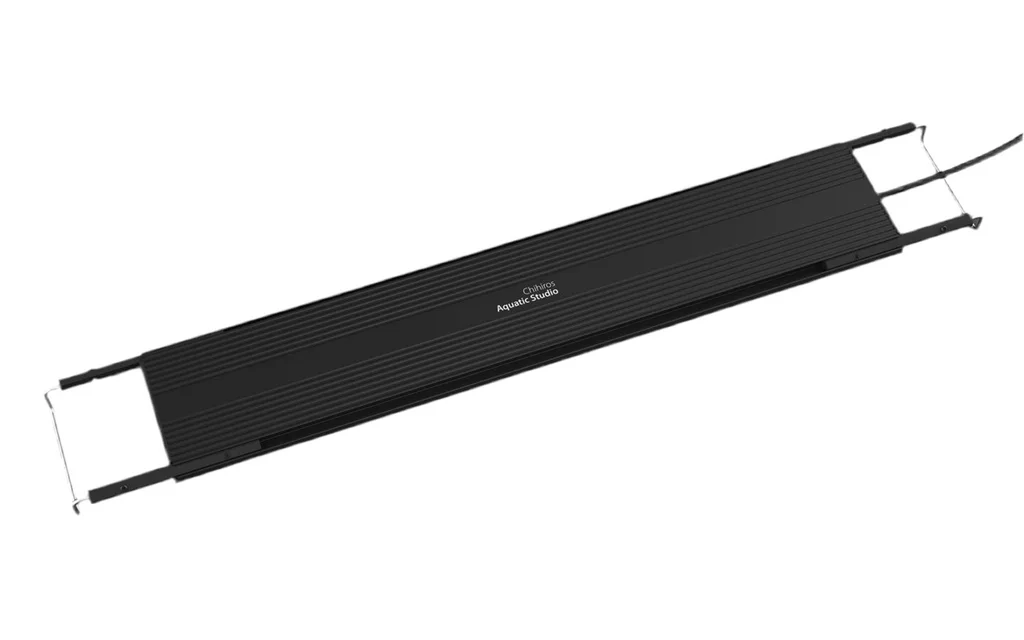 It produces vivid color for tetras and other community fish, but dim it if fish hide or algae increases. Pros: attractive color; spread. Cons: controller dependency.
Current USA Satellite Plus Pro
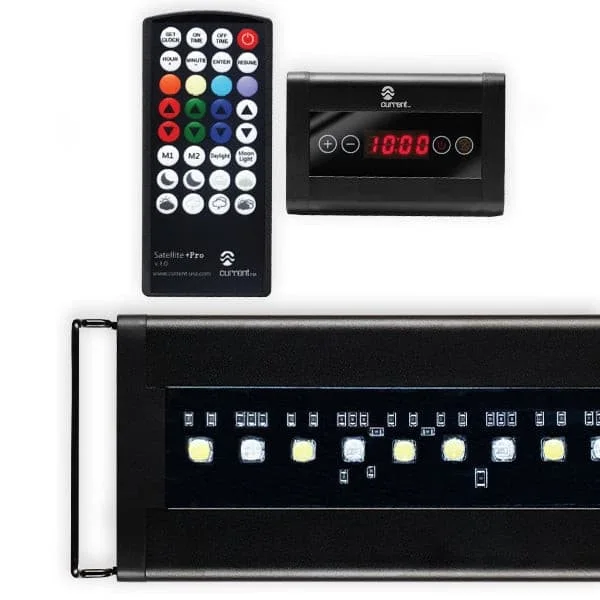 Its dimming is useful for fish that prefer subdued conditions and for tanks near a bright window. Pros: adjustable; broad use. Cons: controller cost.
AQUANEAT Full Spectrum LED Aquarium Light
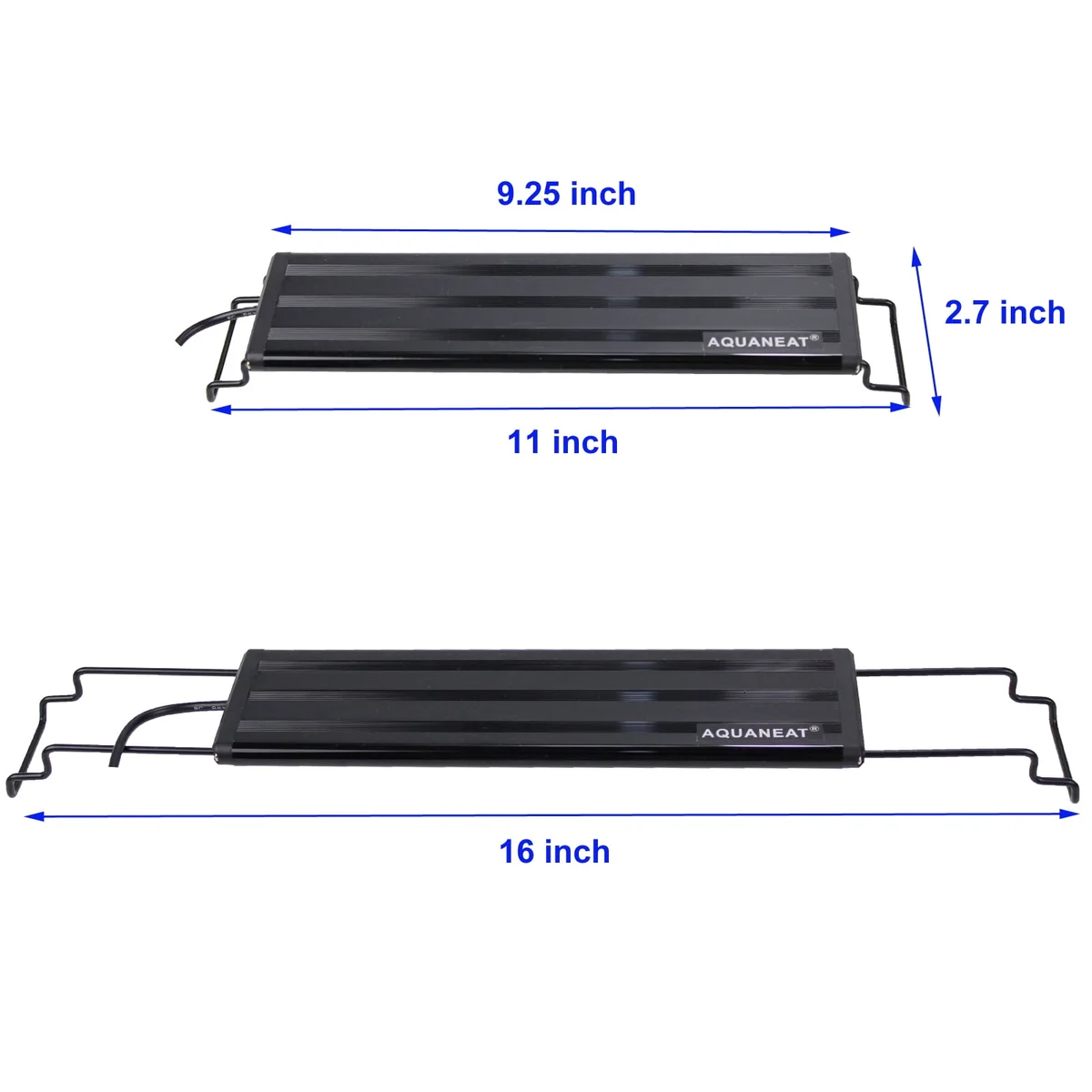 This budget fixture works for a straightforward fish display with modest plant demands. Pros: affordable; uncomplicated. Cons: fewer refinements.
Hygger Advanced LED
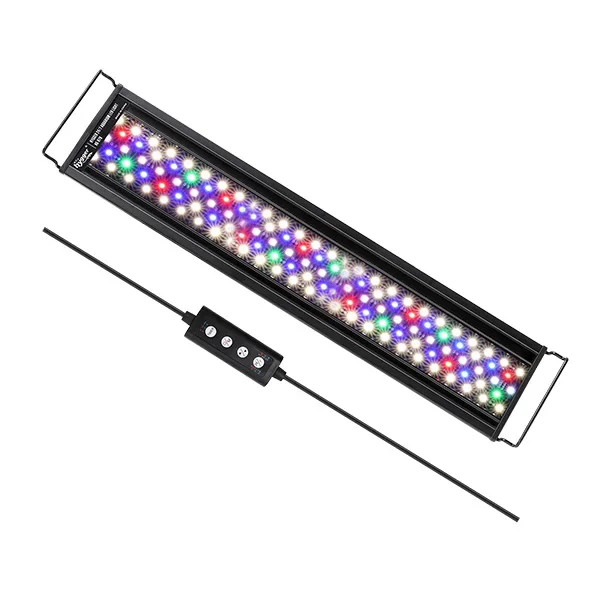 Built-in timing suits owners who want the aquarium to follow a repeatable routine. Pros: timer; value. Cons: verify the rim fit.
Buying criteria
Measure tank length and lid clearance first. Choose even coverage, adjustable intensity when possible, and a timer. Start with six to eight hours of light and provide caves, plants, or floating cover so fish can escape the brightest area. Keep the aquarium away from direct sun. If algae appears, reduce intensity or duration before adding chemicals. Clean the lens and check that splash cannot reach electrical connections.
FAQs
Do freshwater fish need aquarium lights?
They need a predictable day-night rhythm, but room light may provide part of it. A timer makes the schedule reliable.
Can bright light stress fish?
It can, especially without shaded areas. Dim the fixture and add cover if fish remain skittish.
How long should the light stay on?
Start around six to eight hours and adjust for the fish, plants, and algae level.
Is blue light safe overnight?
Fish need darkness. Turn the display light off at night rather than leaving a blue mode running.
Recommendation
NICREW ClassicLED Plus is the simplest all-round choice. Pick Current USA Satellite Plus Pro when dimming matters, or Fluval Plant 3.0 when the aquarium also contains demanding plants.
Sources and methodology
We reviewed product information from Fluval, Finnex, Chihiros, and Current USA. We compared coverage, dimming, scheduling, mounting, and fish-friendly intensity. No hands-on testing was performed.
Related guides
- Best aquarium light for low-light plants
- Best aquarium light for a high-tech planted tank
- Best aquarium filter for a planted tank
Remember that a fish-only aquarium can use a simpler fixture than a planted aquascape. If the goal is natural behavior, a dimmable strip and dependable timer are often enough. Keep a spare timer or note the schedule so a power interruption does not leave the aquarium lit through the night. When adding plants later, increase light gradually and reassess algae.
Making a fish display comfortable
Think about the room as well as the aquarium. A tank opposite a window receives changing daylight that can encourage algae and make fish colors look different from morning to evening. A timed fixture gives the fish a dependable routine and lets you choose when the display is visible. If the room is dark, use a short ramp rather than turning a bright light on suddenly.
Fish behavior is useful feedback. Schooling fish that stay under cover, repeatedly flash away from the surface, or lose their normal feeding pattern may be reacting to glare, reflections, or too much intensity. Add floating cover, tall plants, or a shaded ornament before buying a brighter fixture. Leave an open area too, because some fish need room to swim and be observed.
The best size is the one that lights the full footprint without hanging over the glass. Check adjustable legs against the rim and lid, and keep splash away from power connections. Clean the lens when dust or mineral deposits become visible. Unplug the light first and do not spray cleaner onto the fixture. For an open-top aquarium, a raised mount can reduce splash risk while giving light a wider spread.
If you keep live plants, balance their needs against the fish rather than choosing a high-tech light by default. Easy plants usually do well with restrained output and a consistent schedule. Faster plants may need more, but increase intensity in small steps while watching algae and fish behavior. Lighting should make maintenance easier, not create a daily battle.