
Buying guide
Best aquarium light for low-light plants
For anubias, java fern, cryptocoryne, and moss, the best aquarium light is controllable and even, not the brightest fixture on the shelf.
Quick comparison
| Product | Best for | Main drawback |
|---|---|---|
| NICREW ClassicLED Plus | Simple planted tanks | Basic controls |
| Finnex Stingray 2 | Low-light beginners | Limited advanced tuning |
| Fluval Plant 3.0 | App control | More than low-light plants need |
| Chihiros WRGB II Slim | Even color | App setup varies |
| Current USA Satellite Plus Pro | Dimmable community tanks | Controller adds cost |
| AQUANEAT Full Spectrum LED Aquarium Light | Budget setups | Fewer refinements |
| Hygger Advanced LED | Built-in schedules | Confirm bracket fit |
This is a research-based guide, not a PAR test. Low-light plants still need a consistent photoperiod. Start conservatively and watch new growth and algae.
Our picks
NICREW ClassicLED Plus
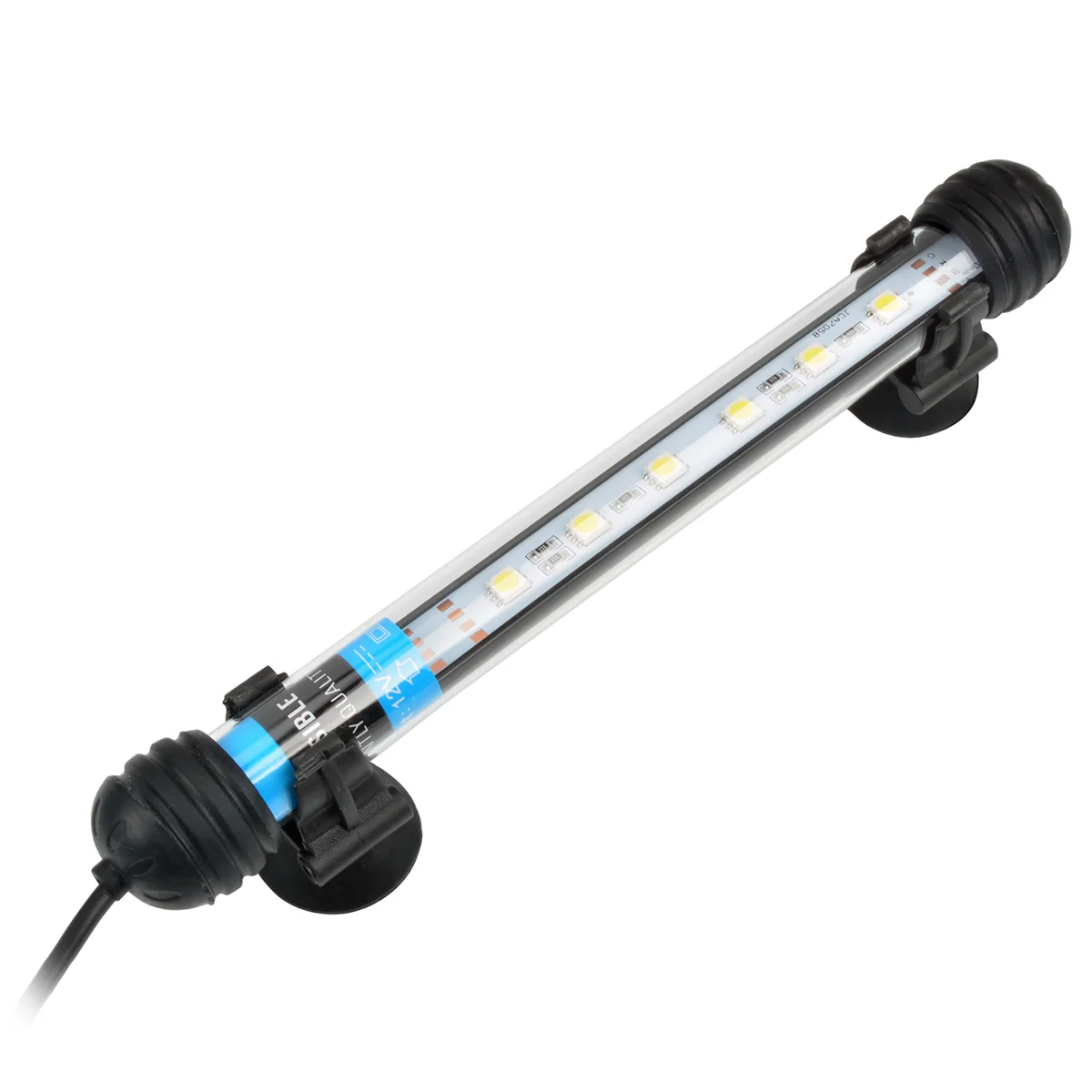 This straightforward fixture fits a planted community aquarium where an affordable, even strip is enough. Use a timer and keep the photoperiod moderate. Pros: simple; broad coverage. Cons: fewer controls.
Finnex Stingray 2
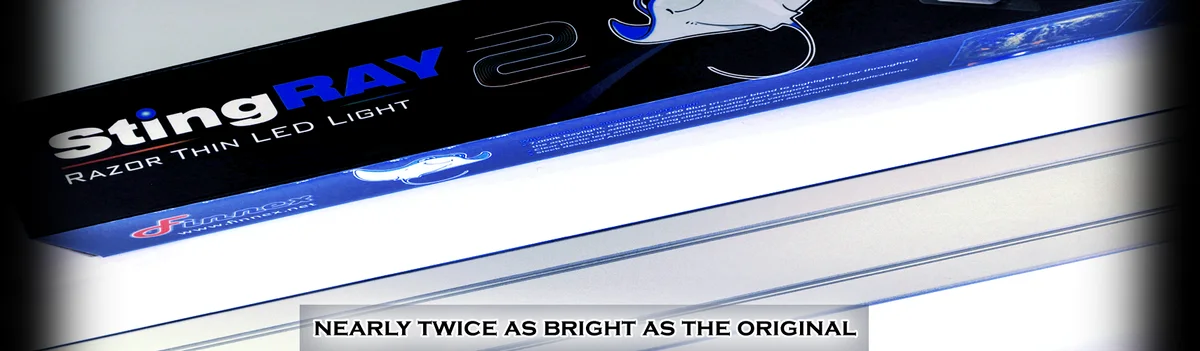 The slim form works well when you want plants visible without a high-output aquascape. Pros: low profile; gentle output. Cons: limited tuning.
Fluval Plant 3.0
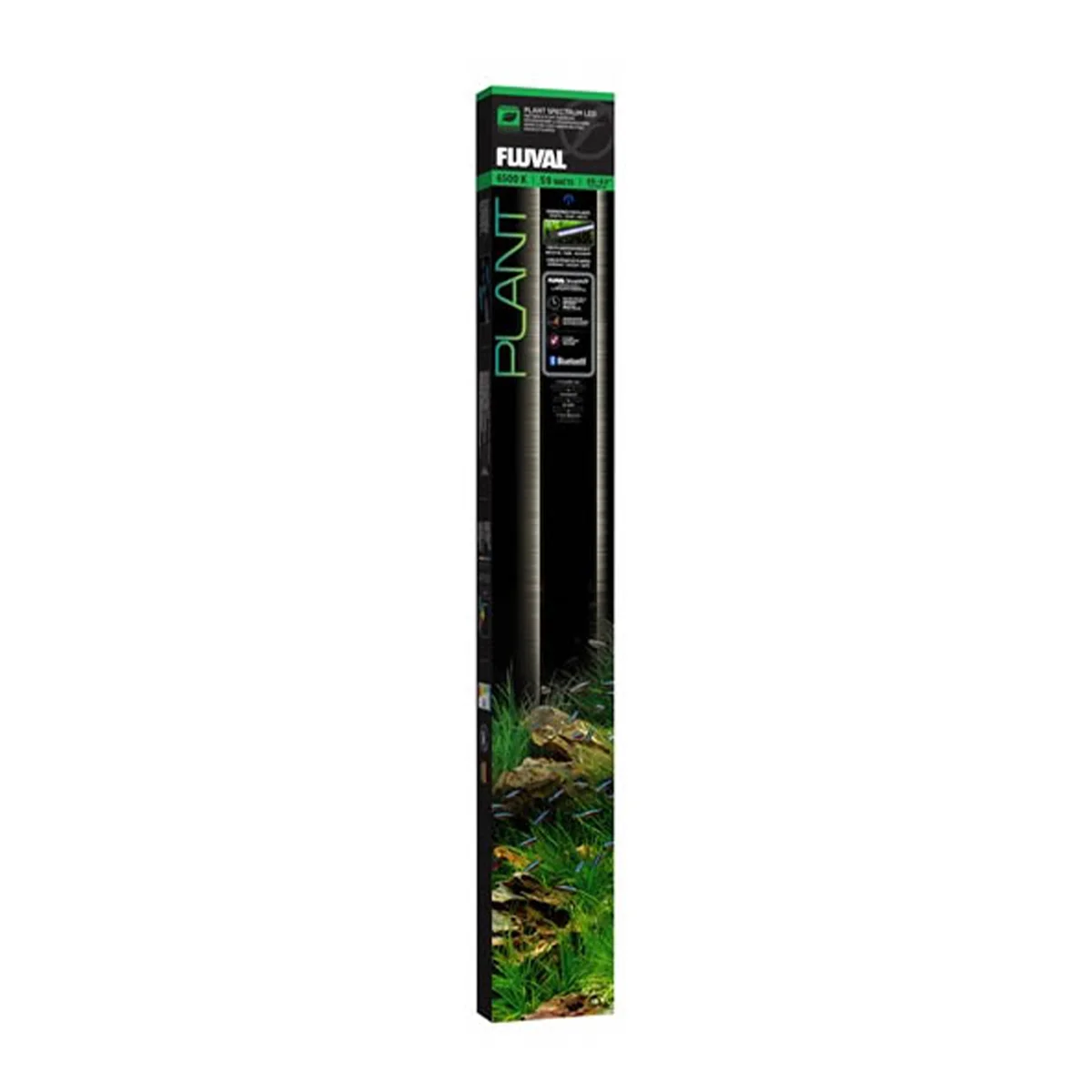 Its controls are useful if you want a gradual schedule and the option to increase output later. Keep the setting restrained for low-demand plants. Pros: schedule control; future flexibility. Cons: overkill for a basic tank.
Chihiros WRGB II Slim
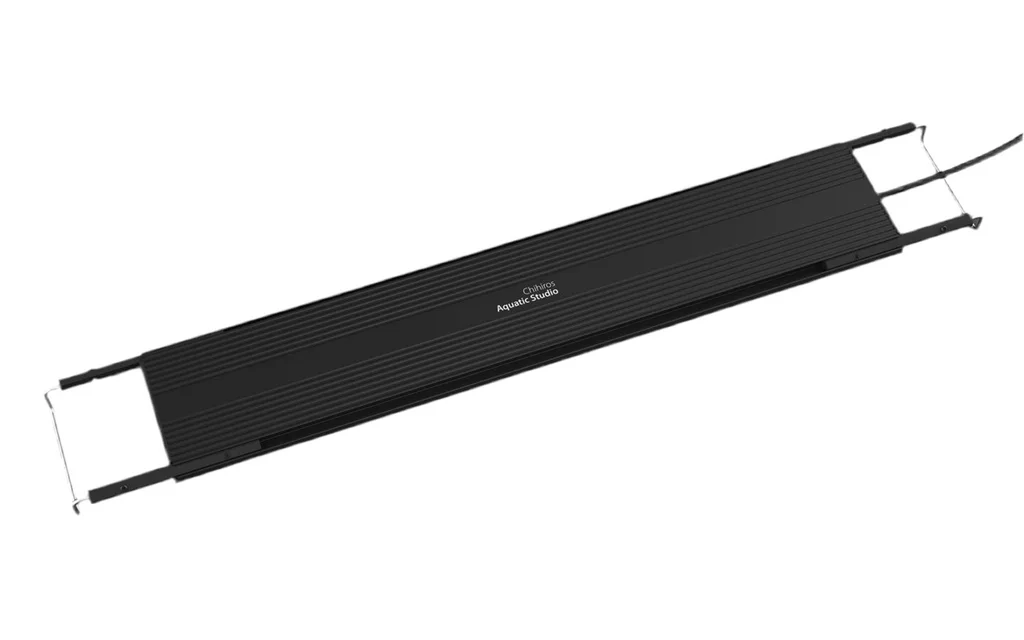 Choose it for attractive color and even coverage, then dim it for anubias and fern. Pros: color; coverage. Cons: setup depends on controller compatibility.
Current USA Satellite Plus Pro
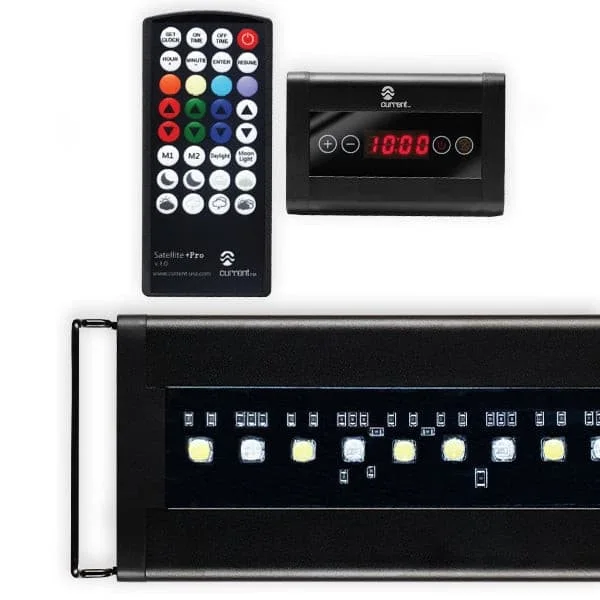 Its dimming makes it easier to avoid algae while plants settle in. Pros: adjustable; useful spread. Cons: controller cost.
AQUANEAT Full Spectrum LED Aquarium Light
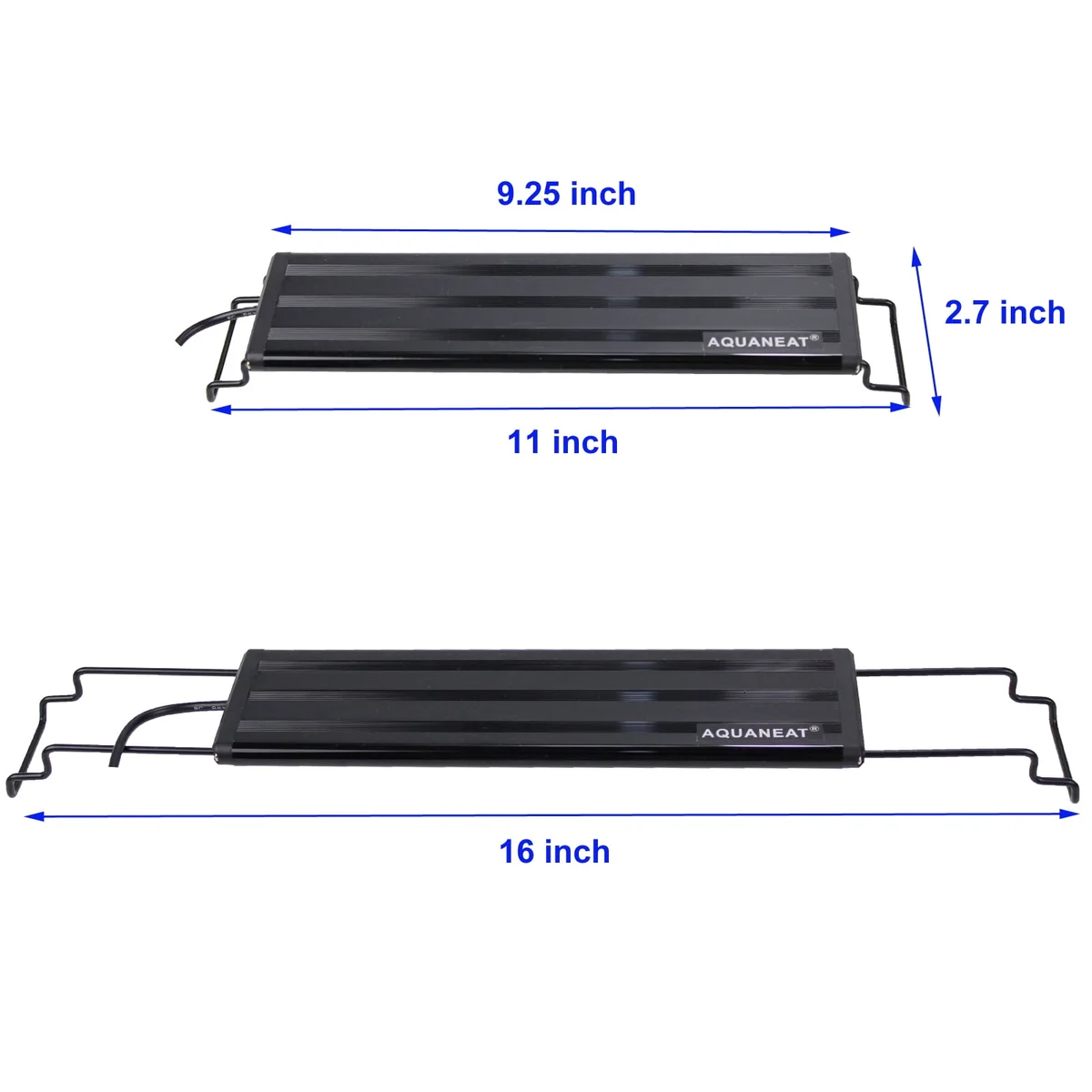 This is a budget choice for undemanding plants and a simple community display. Pros: accessible; uncomplicated. Cons: fewer refinements.
Hygger Advanced LED
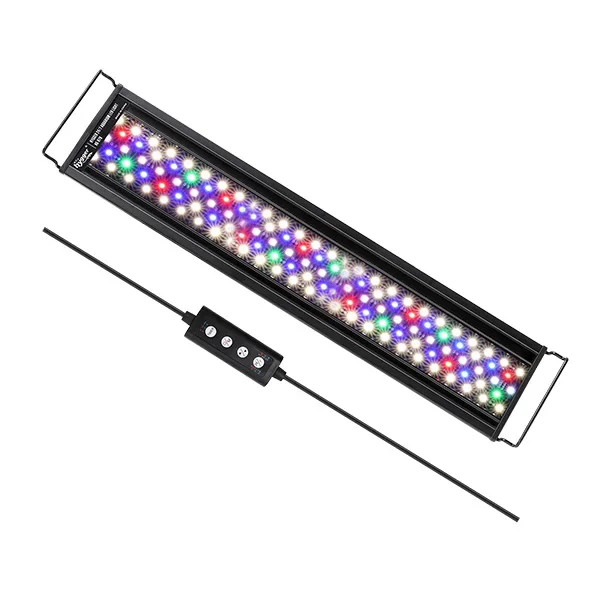 Built-in scheduling is handy when the aquarium is unattended during the day. Measure the rim before ordering. Pros: timer functions; value. Cons: bracket fit needs checking.
Buying criteria
Coverage matters more than a bright hotspot. Choose a fixture that spans the tank, can be dimmed or timed, and fits around the lid. Start with six to eight hours of light, then adjust based on plant response and algae. Low-light plants tolerate shade, but they do not tolerate a wildly changing schedule. Keep floating plants from blocking the entire surface and clean salt or dust from the lens.
FAQs
How many hours should low-light plants receive?
Start around six to eight consistent hours and change one variable at a time.
Do low-light plants need a special spectrum?
They need usable light and a stable schedule. Color preference is mostly about how the aquarium looks.
Is a brighter light better?
Not for this use. Extra intensity can mean more algae and more trimming without improving easy plants.
Can I use a timer?
Yes. A timer is one of the simplest ways to keep the photoperiod consistent.
Recommendation
NICREW ClassicLED Plus is the sensible value pick. Choose Fluval Plant 3.0 when you want control that can grow with the aquarium.
Sources and methodology
We compared manufacturer information from Fluval, Finnex, Chihiros, and Current USA. We considered coverage, dimming, schedules, mounting, and suitability for undemanding plants. No PAR or hands-on testing was performed.
Related guides
- Best aquarium light for a planted tank
- Best aquarium substrate for a planted tank
- Best aquarium CO2 system for beginners
For a first planted tank, prioritize controllability over advertised wattage. A modest fixture that runs predictably is easier to balance than a powerful one that demands constant algae corrections.
That restraint also leaves room to adjust as the plants mature.
Matching the light to easy plants
Low-light does not mean no-light. Anubias and java fern usually prefer their rhizomes exposed rather than buried, so a fixture that spreads light across the hardscape is more useful than one that creates a bright center spot. Cryptocoryne can take time to settle after planting. Avoid chasing a slow first month by turning the light to maximum, because algae often responds faster than new roots do.
Floating plants complicate coverage. They can shade the aquarium unevenly and make one side look healthy while the other side stretches. Thin the floaters regularly and leave an open patch for gas exchange. If the tank has a lid, check that the light does not overheat the water or sit where condensation can reach its electrical connection. A raised mount can improve coverage, but it also reduces intensity, so adjust gradually.
Color controls are useful for viewing fish, not a substitute for plant care. A warm white setting may make wood and red fish look appealing, while a cooler balance can show green leaves clearly. Save one repeatable daytime setting and keep experiments short. If algae appears, first shorten the schedule or lower intensity and check feeding and window light. Changing spectrum alone rarely fixes an excess-light problem.
Replace or clean the fixture based on condition, not an arbitrary calendar. Salt dust and mineral spots scatter light and create glare. Unplug before wiping, use a soft damp cloth, and let the unit dry completely. Confirm replacement brackets and power supplies are available before choosing an older model for a permanent display.