
Buying guide
Best Aquarium Filter for a 100-Gallon Tank: 7 High-Capacity Picks
A 100-gallon aquarium needs more than a large number on a box. Choose a filter with usable flow after media, enough biological capacity and a service plan you will actually follow.
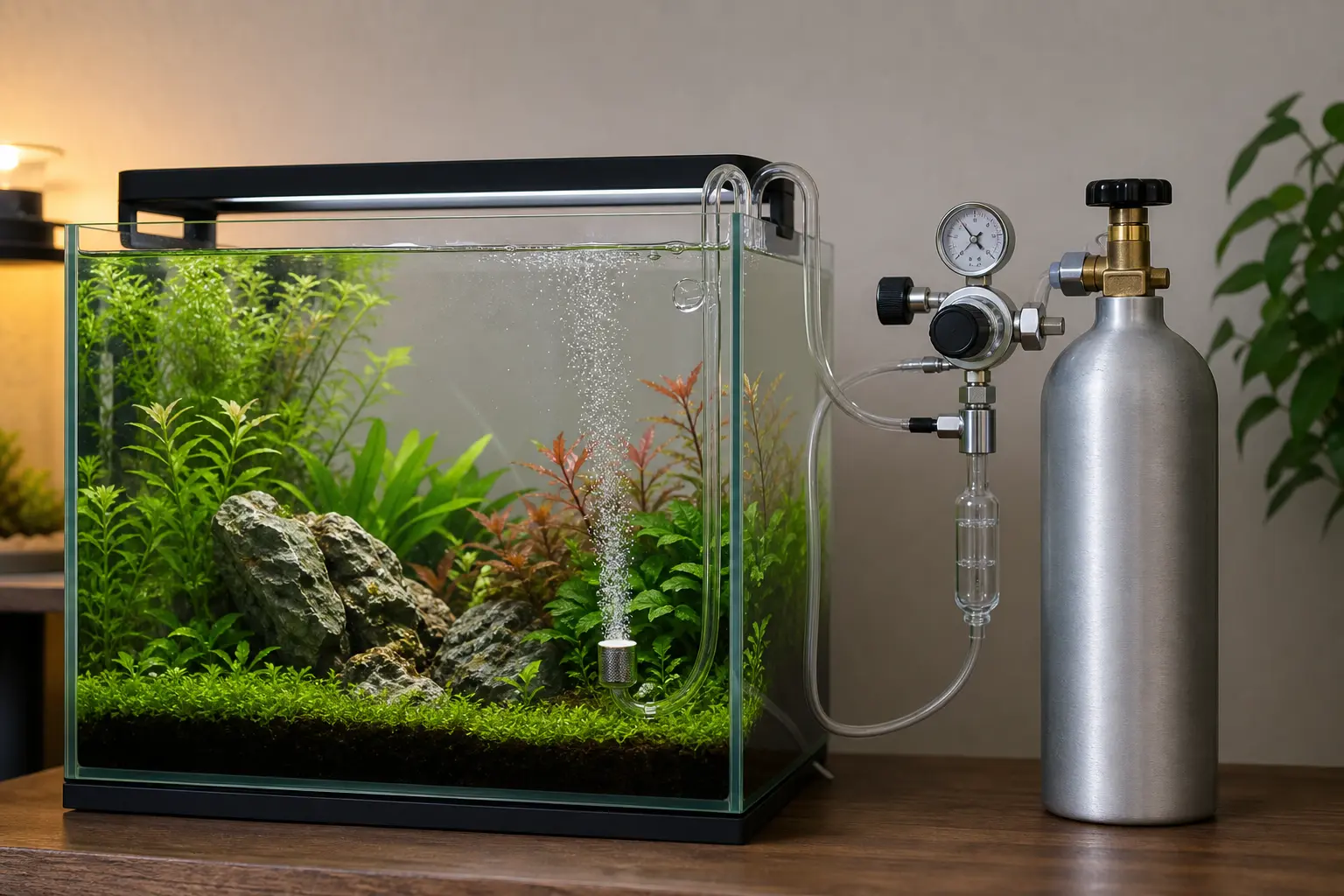
A 100-gallon aquarium has enough water to dilute a small mistake, but it also has a large fish load, long plumbing runs and a lot of debris to move. The best filter is the one that still turns over water after its media loads and its head height reduces pump output. For most freshwater displays, the Fluval FX6 is the strongest all-round starting point. A large canister, a pair of independent filters, or a sump can make more sense when you need redundancy, extra media or a custom return layout. This is a specification-based guide, not a hands-on test. Confirm the current model, voltage, included media and warranty before buying.
Quick comparison
| Product | Best for | Main advantage | Main drawback |
|---|---|---|---|
| Fluval FX6 | Most 100-gallon freshwater tanks | High-capacity canister with smart priming | Large cabinet footprint |
| OASE BioMaster 850 | Easy pre-filter service | Removable pre-filter design | Expensive replacement parts |
| Eheim Classic 2262 | Large media volume | Simple, spacious canister format | Basic controls and priming |
| Penn-Plax Cascade 1500 | Value-focused capacity | Multiple media baskets | Cabinet and hose space |
| SunSun HW-304B | Budget large tanks | Broad media layout for less money | Support and parts vary by seller |
| Seachem Tidal 110 | Accessible HOB maintenance | Open basket and self-priming format | Strong surface disturbance |
| Aquarium Sump Filtration System | Custom high-bioload setups | Maximum media and redundancy options | Requires overflow and plumbing |
Best overall: Fluval FX6
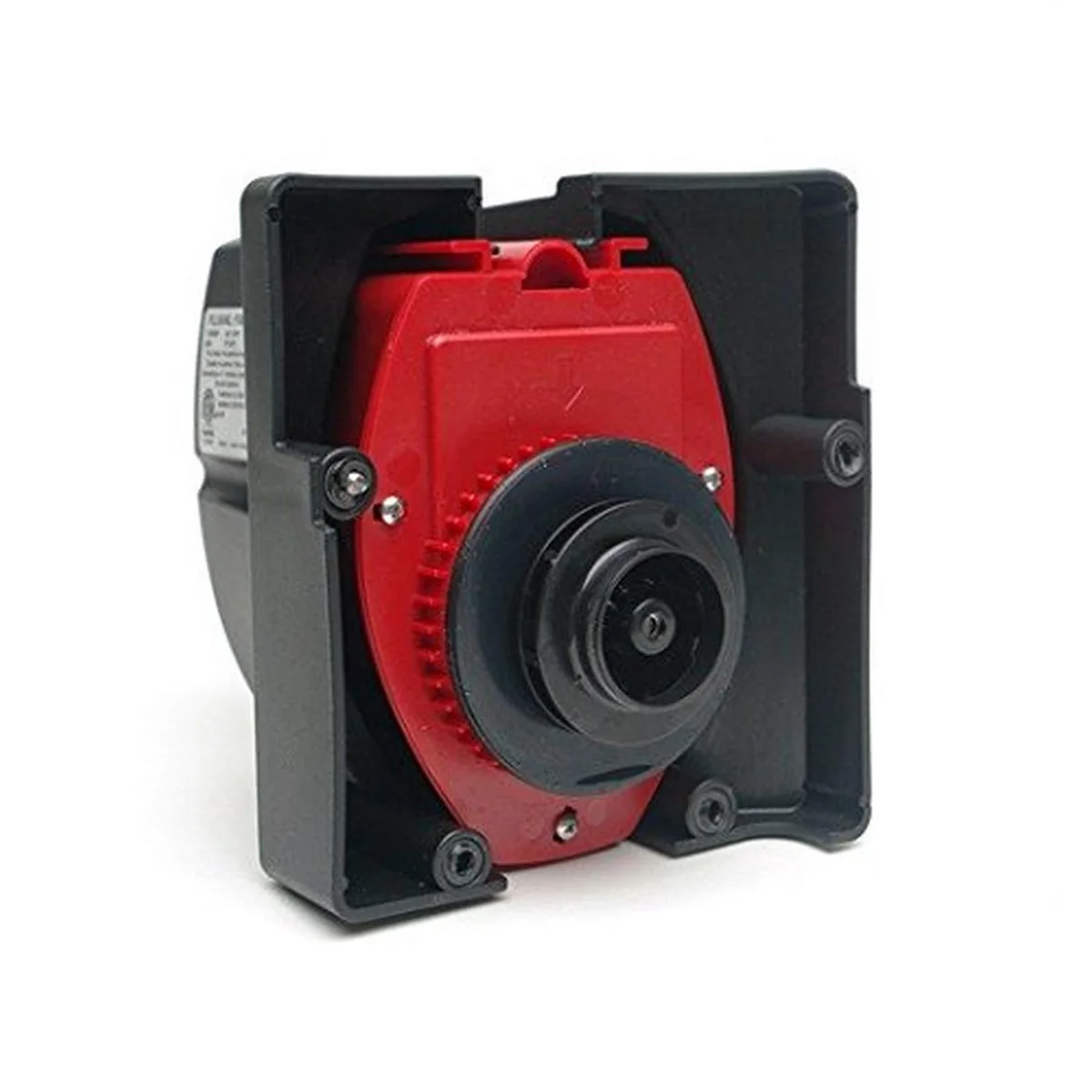
The FX6 is the sensible default when you want one purpose-built filter under a 100-gallon stand. Its large baskets provide room for coarse mechanical media, fine polishing media and biological media without forcing all three jobs into one cartridge. Smart priming and periodic pauses can make startup less awkward than on a plain canister. The catch is size. Measure the cabinet opening, service clearance and hose route, not only the tank volume. Pros: substantial media capacity; useful flow control; practical drain and priming features. Cons: heavy when full; a single filter is still a single point of failure. Fluval’s FX6 product information should be checked for the current revision.
OASE BioMaster 850
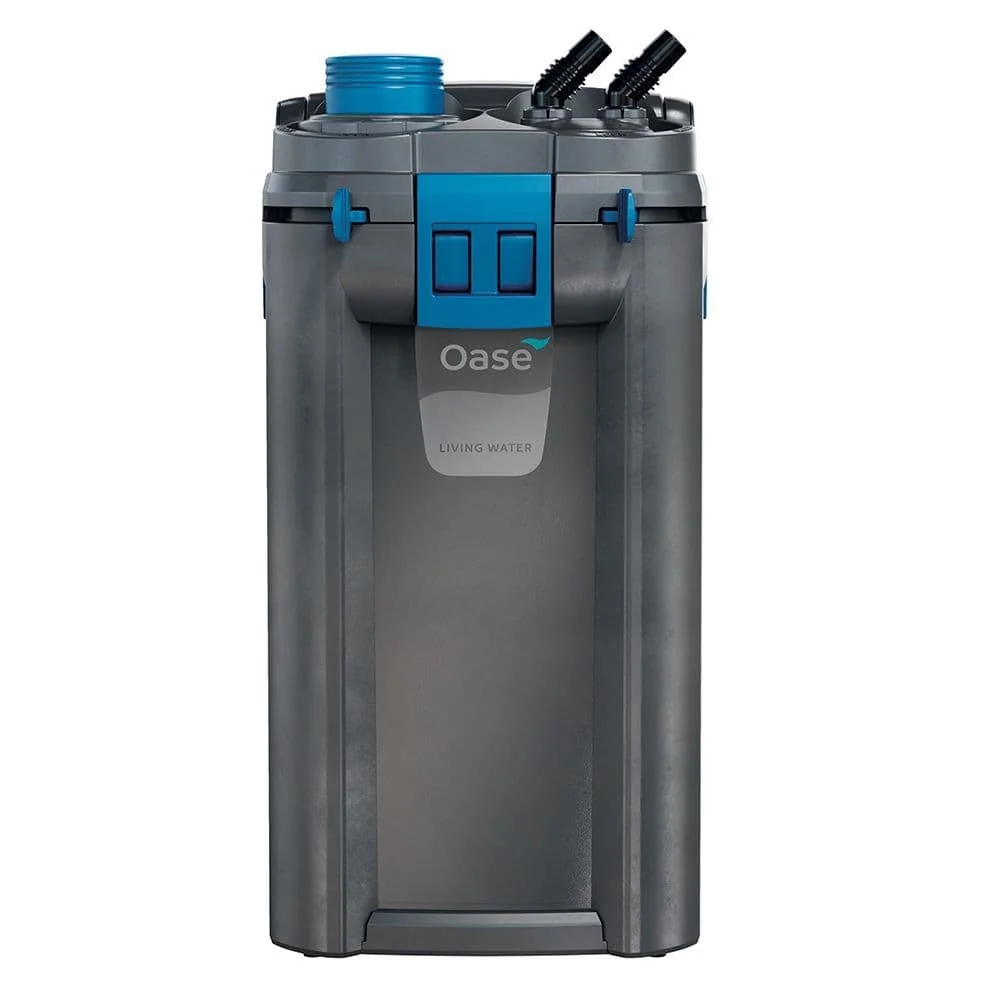
The BioMaster 850 suits owners who clean mechanical debris often and do not want to open the whole canister every time. Its removable pre-filter is the main reason to choose it. That arrangement can preserve biological media and shorten routine service, especially in tanks with messy fish or a lot of leaf litter. Check the exact 850 configuration and whether an integrated heater version fits your plan. Pros: convenient pre-filter access; flexible media stages; tidy external installation. Cons: premium purchase price; replacement parts deserve a local availability check. OASE’s BioMaster documentation is the place to verify the current model details.
Eheim Classic 2262
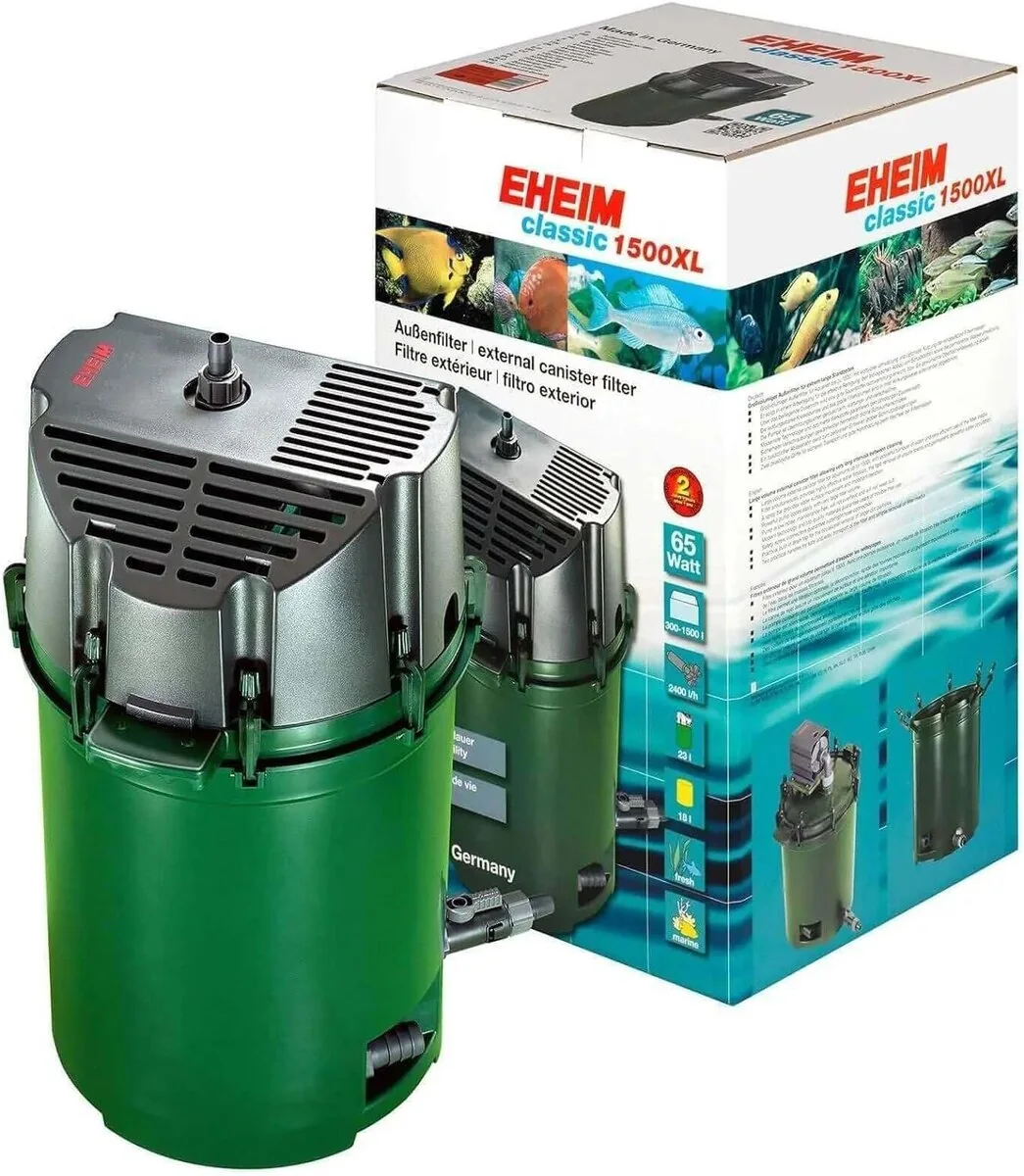
The Classic 2262 is for the aquarist who values a large, straightforward media chamber over electronic features. Its simple layout gives you room to set coarse sponge, biological media and fine polishing material in a deliberate order. It is a good match for a large display where service access is clear and you are comfortable with manual priming. Pros: roomy chamber; simple construction; adaptable media choice. Cons: less convenient controls; no built-in redundancy. Read Eheim’s filter information and verify regional fittings before purchase.
Penn-Plax Cascade 1500
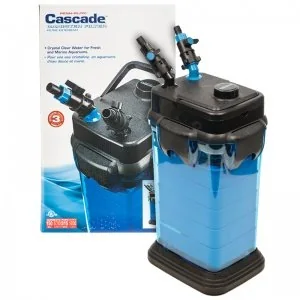
The Cascade 1500 is an appealing middle ground when you want several baskets without paying for a premium control system. The extra room helps a 100-gallon community tank handle food debris and lets you keep biological media in place while replacing a mechanical layer. Measure both the filter body and the tubing bends inside the stand. Pros: multiple media baskets; useful capacity for the price; familiar canister layout. Cons: bulky cabinet fit; pump noise depends on level installation and trapped air. Use Penn-Plax product support to confirm the current parts list.
SunSun HW-304B
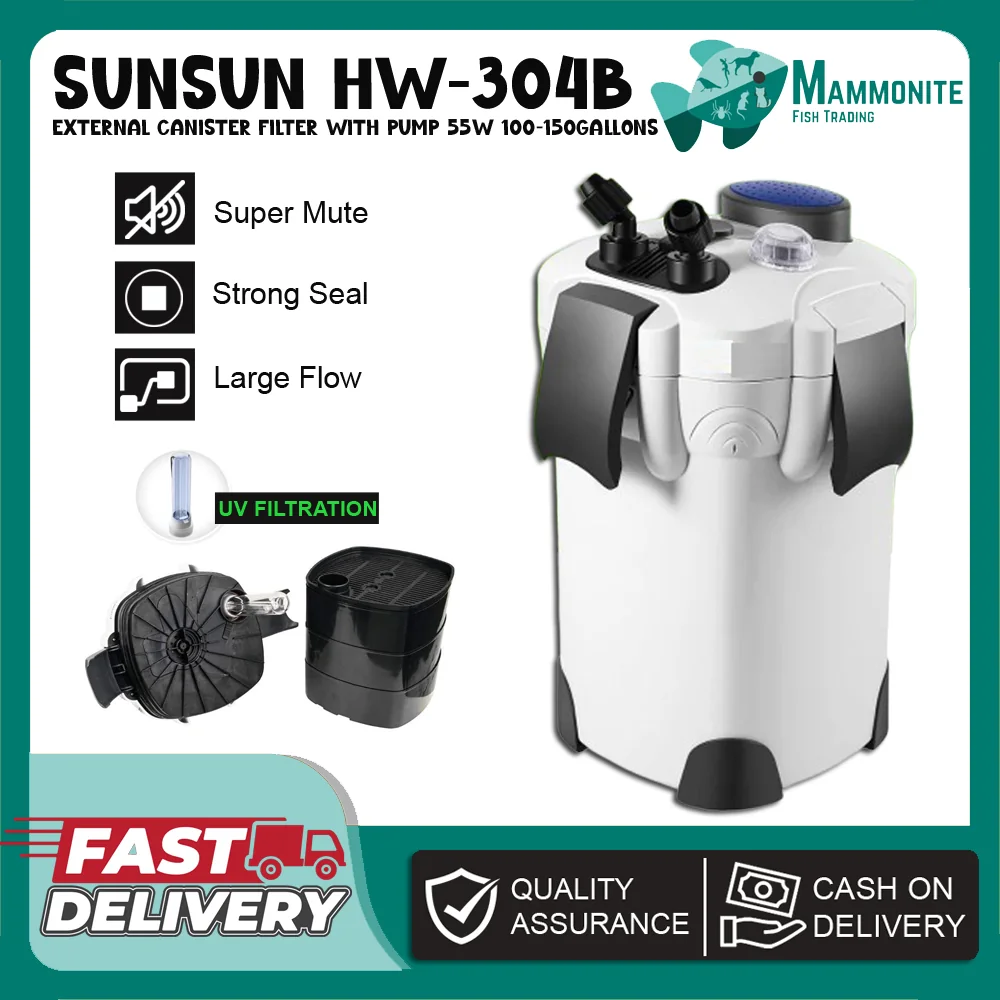
The HW-304B targets buyers who need a large external filter on a tighter equipment budget. Its broad chamber gives you more useful options than a small cartridge unit, but seller support and replacement impellers can be less predictable. Buy only after checking the exact electrical version and return policy for your country. Pros: large media area; lower entry cost; customizable stages. Cons: quality and support can vary; included media may not suit your stocking level. Treat seller specifications as something to verify against the delivered unit, not a promise of real-world flow.
Seachem Tidal 110
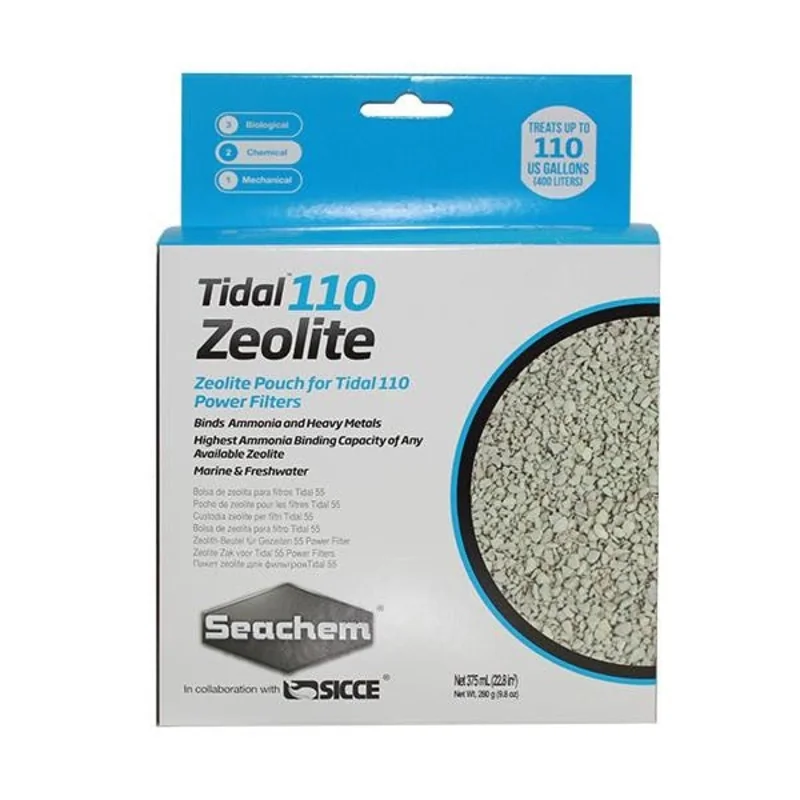
The Tidal 110 keeps the pump and media basket accessible above the tank. That makes weekly inspection easier than with a canister, and its self-priming design removes one common restart worry. For a 100-gallon tank, one HOB may be better viewed as one half of a two-filter plan rather than the only filter, especially with a heavy fish load. Use a pre-filter sponge if small fish or shrimp can reach the intake. Pros: easy access; adjustable flow; surface-skimming option. Cons: visible equipment; strong return may need a baffle. See Seachem’s Tidal guidance for the current rating and setup instructions.
Aquarium sump filtration system
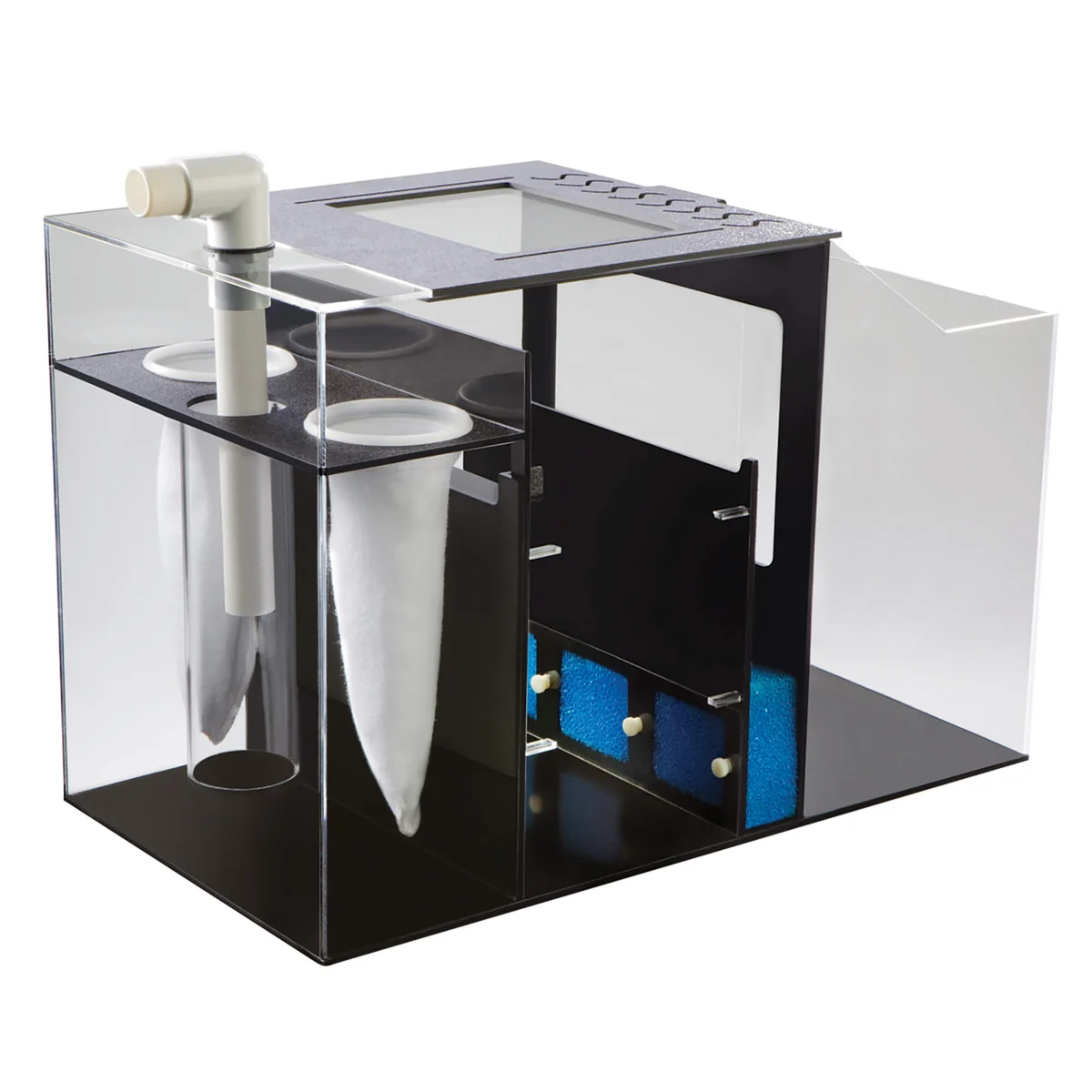
A sump is the flexible choice for a drilled aquarium, a large cichlid setup or any system where you want open media space and equipment hidden below the display. You can separate mechanical chambers, biological media, a heater and a return pump. You also gain redundancy if you run two return pumps or keep a secondary air-driven filter. The tradeoff is plumbing. Plan overflow capacity, a return check strategy, power-off water level and enough room for maintenance before filling the tank. Pros: expandable media volume; hidden equipment; easy to add redundancy. Cons: more parts to install; leaks and floods need planning. Follow the tank and overflow maker’s instructions rather than improvising pipe sizes.
How to size filtration for 100 gallons
Start with the livestock and feeding schedule, not the advertised tank rating. Goldfish, large cichlids and messy community fish create more solids than a lightly stocked planted display. A nominal flow number is usually measured with clean media and little head height. The useful figure is what reaches the return after baskets load, hoses bend and the outlet sits below the stand. Leave a margin instead of running a filter at its limit.
For many 100-gallon tanks, two independent filters are safer than one oversized unit. Split the intakes across the tank and aim the returns to avoid dead spots. If one pump stops, the other keeps oxygenation and biological flow moving. Clean one filter at a time so you do not strip the whole system’s established bacteria. A coarse intake sponge protects fish and prevents large debris from filling the first basket. It also needs frequent rinsing in removed aquarium water.
Canisters work well when you want quiet, hidden equipment and staged media. HOB filters make routine inspection quick, but they need rear clearance and can create a waterfall when the water level drops. A sump gives the most room and the easiest expansion, but the overflow, return line and power-off water level become part of the filter decision. Whichever style you choose, use a drip loop, unplug equipment before putting hands in the tank and never wash biological media under chlorinated tap water.
Plan flow distribution as carefully as filter capacity. Use a spray bar or broad outlet for timid fish and a directional nozzle for tanks with waste collecting behind decor. Surface movement supports gas exchange, but excessive turbulence can stress slow swimmers and drive off injected carbon dioxide. Check flow weekly. A sudden reduction usually means clogged mechanical media, an obstructed intake, trapped air or a dirty impeller.
Frequently asked questions
Is one filter enough for a 100-gallon aquarium?
It can be, if the filter has usable capacity for the actual bioload and you maintain it. Two smaller independent filters add redundancy and make flow easier to distribute.
Do I need a sump for a 100-gallon tank?
No. A large canister or two HOB or canister units can work well. A sump becomes attractive when you want open media space, hidden equipment or frequent expansion.
How much turnover should a 100-gallon tank have?
Use the manufacturer’s usable-flow guidance as a starting point, then account for head height, media loading and livestock tolerance. The biggest number on the carton is not a guarantee of delivered flow.
How often should I clean a large filter?
Inspect intake and flow weekly. Rinse mechanical media when flow drops or debris builds up, and preserve biological media in removed aquarium water. Do not replace every stage at once.
Related guides: best aquarium filter for a 55-gallon tank, best aquarium filter for a 75-gallon tank and best aquarium filter for goldfish.
Sources and methodology
We compared manufacturer information from Fluval, OASE, Eheim, Penn-Plax and Seachem, with attention to media access, service design, flow adjustment and fit for a 100-gallon aquarium. The sump entry describes a filtration approach rather than one exact branded product, so verify the overflow, pump and plumbing components as a set. No hands-on testing was performed. Verify current specifications, compatibility, voltage and availability before ordering.