
Best CO2 Diffuser for a Large Aquarium: 7 Options Compared
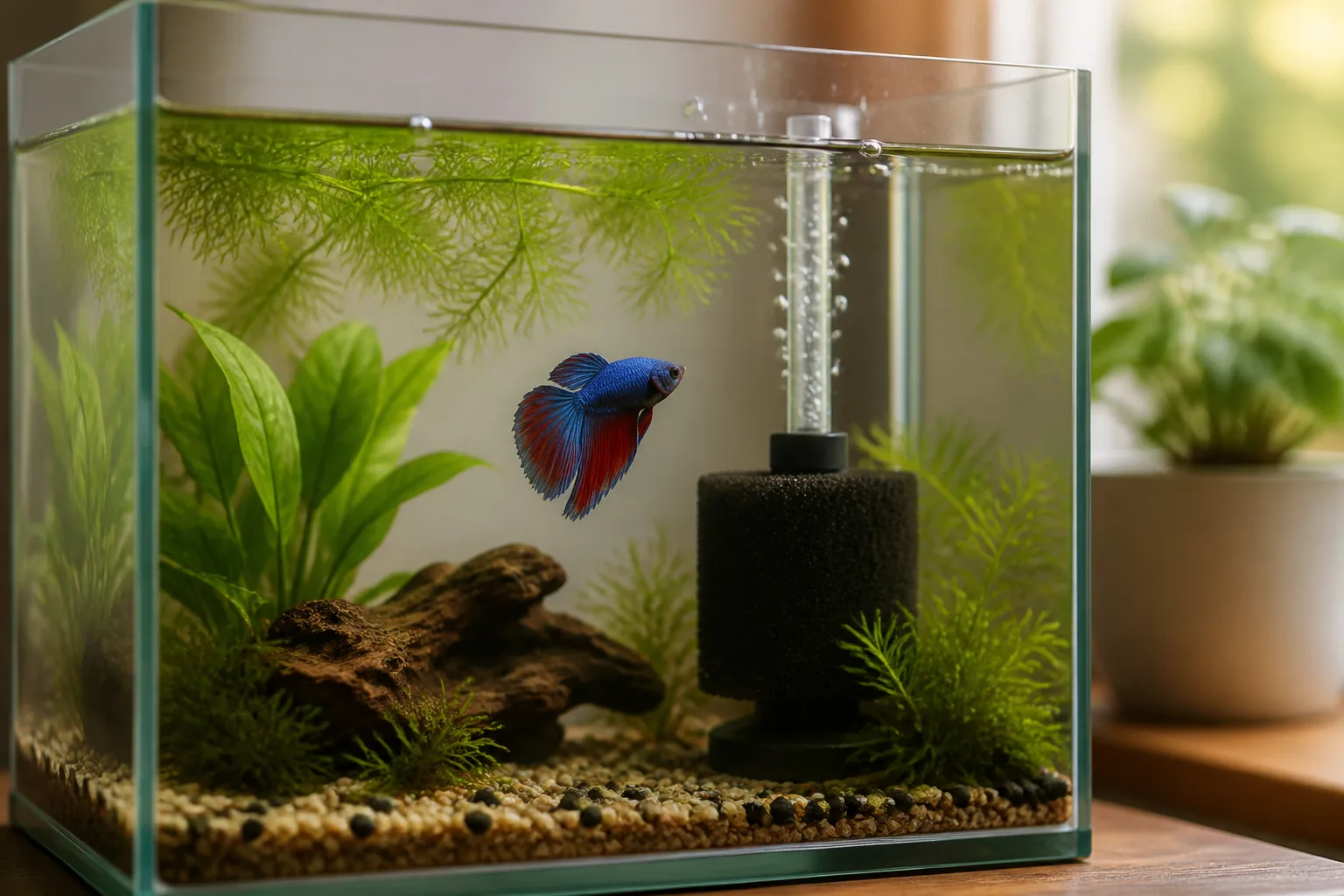
The best CO2 diffuser for a large aquarium is usually an inline atomizer or a low-restriction external reactor on the canister-filter return hose. Keeping it outside the tank gives a clean view and lets the filter distribute dissolved CO2. For a long hose run or a tank above roughly 75 gallons, an external reactor often fits better because it dissolves gas with less visible mist. An inline atomizer is simpler when your regulator can maintain its working pressure.
This guide compares seven products suited to larger planted systems. It includes inline ceramic atomizers, external reactors, and one high-capacity in-tank diffuser for installations where the return hose cannot be modified. Check connector size and required pressure before ordering. A 16/22 mm diffuser will not fit a 12/16 mm hose without a reducer, and a low-pressure disposable-cylinder regulator may not drive every atomizer.
Quick comparison
| Pick | Best use | Connection or design | Main tradeoff |
|---|---|---|---|
| CO2Art Inline Atomizer | High-pressure planted displays | External inline atomizer | Needs a strong regulator |
| NilocG Aquatics Inline Diffuser | Standard canister returns | Inline ceramic cartridge | Can add return restriction |
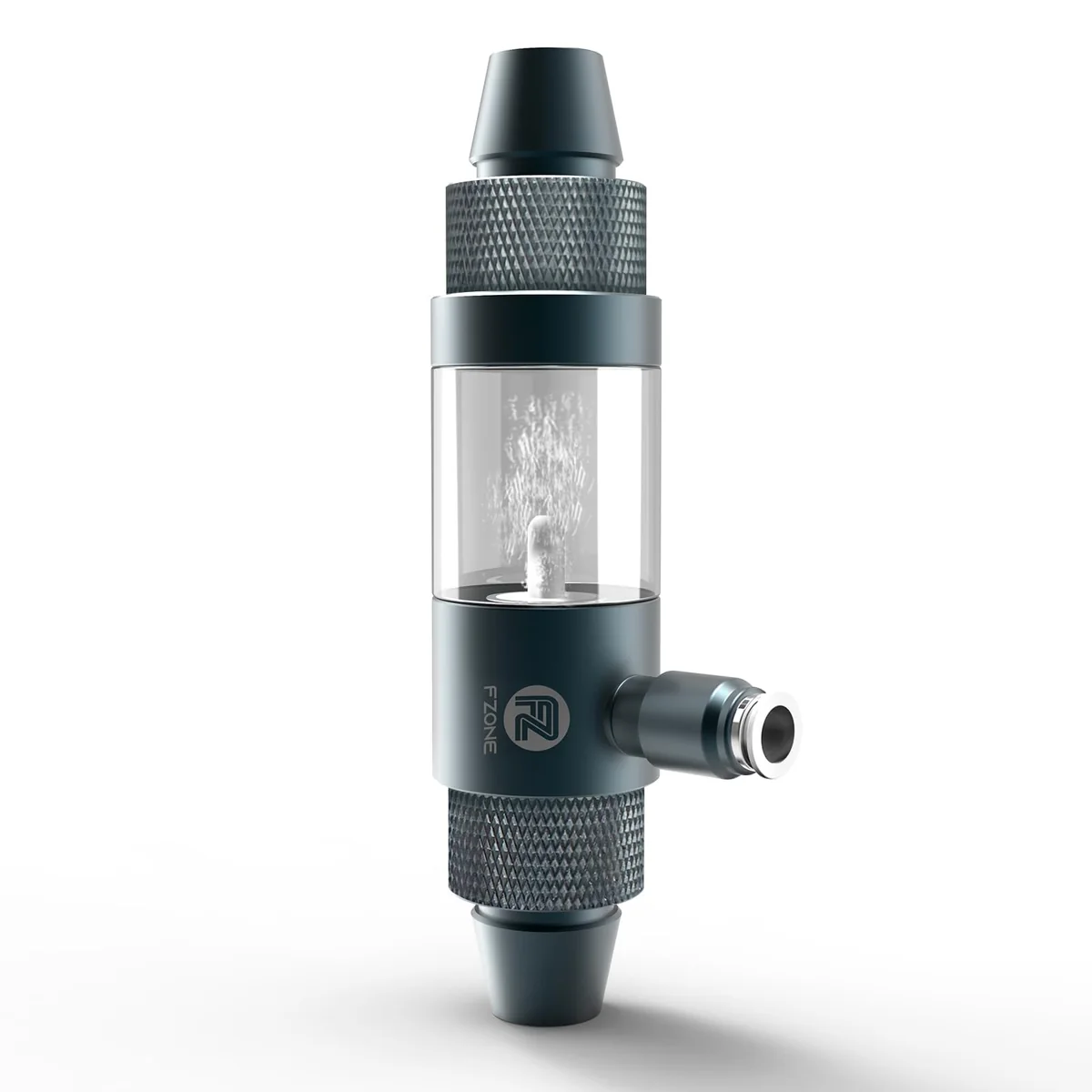
| FZONE Inline CO2 Atomizer | Value installations | Replaceable inline ceramic | Verify hose size carefully |
| UP Aqua Inline CO2 Diffuser | Fine mist on long returns | Inline atomizer | Ceramic needs regular cleaning |
| ISTA Max Mix CO2 Reactor | Quiet, mist-free operation | External mixing chamber | Larger body needs cabinet space |
| Sera flore CO2 Active Reactor | External filter systems | Reactor with water circulation | Compatibility varies by setup |
| AQUARIO Neo CO2 Diffuser Large | Tanks without inline plumbing | Large in-tank ceramic diffuser | Visible in the aquascape |
The seven picks
CO2Art Inline Atomizer
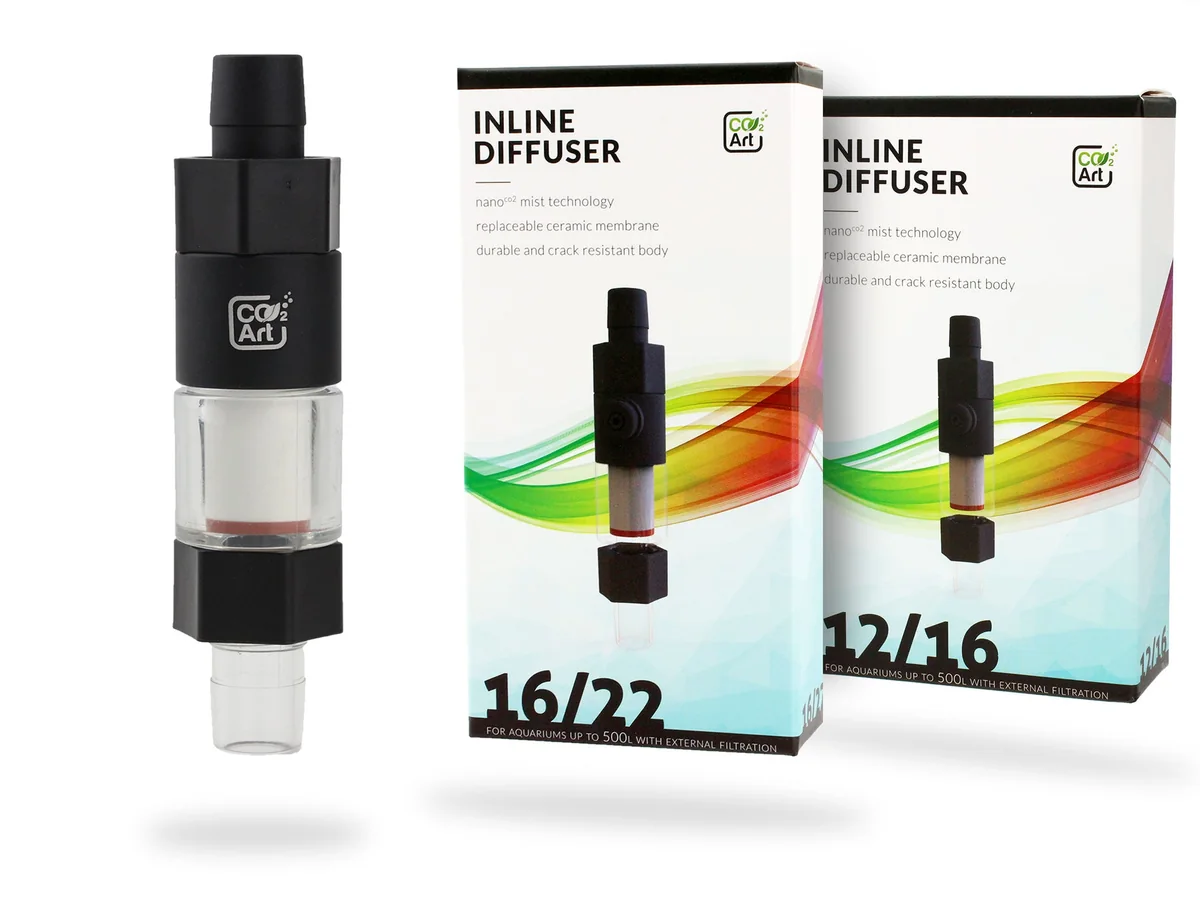
The CO2Art inline atomizer suits a large planted tank with a pressurized regulator and a canister return line. It injects gas into the filtered water before that water reaches the aquarium, so the display stays free of a glass diffuser and rising bubbles. That is useful when the tank has a long front pane or when equipment visibility matters. Confirm the offered hose barb before buying, since large canisters commonly use 16/22 mm tubing while smaller systems use 12/16 mm.
Pros: clean installation; fine mist; no diffuser in the display.
Cons: ceramic resistance can expose a weak regulator; trapped gas needs bleeding during setup.
NilocG Aquatics Inline Diffuser
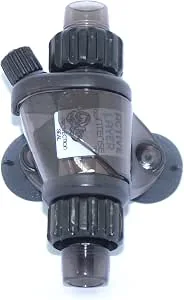
NilocG’s inline format is a practical match for a large aquarium that already runs an external filter. The gas enters after mechanical and biological filtration, which keeps the ceramic element away from the substrate and algae. It is a good choice when you want a compact atomizer and can accept a little extra pressure in the return line. Use a bubble counter and check for a stable bubble rate rather than treating a dial setting as universal.
Pros: compact; keeps hardware outside the tank; straightforward hose integration.
Cons: the ceramic membrane eventually clogs; sizing and replacement parts need checking.
FZONE Inline CO2 Atomizer
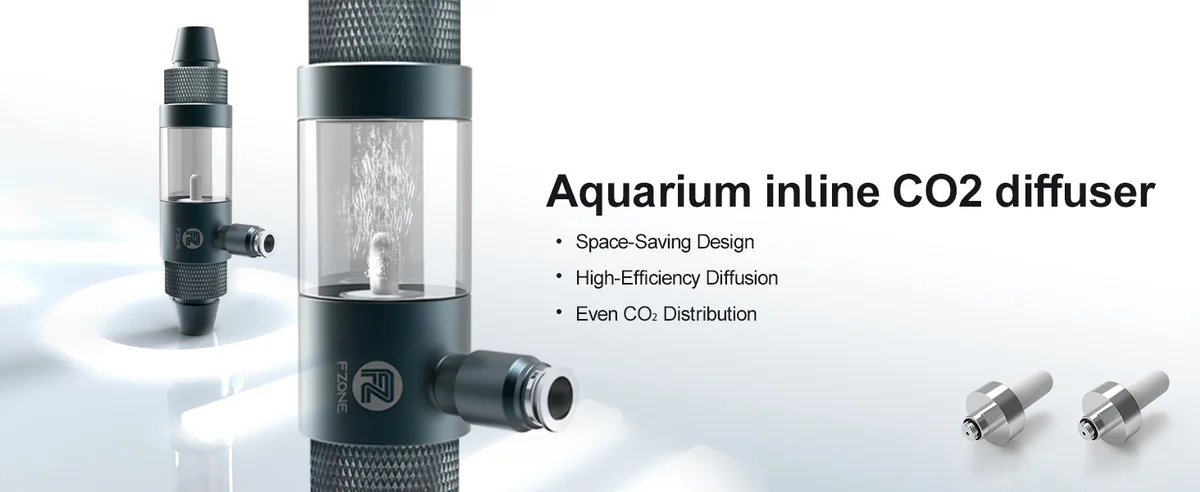
FZONE inline atomizers are worth considering when a large tank needs an affordable external diffuser and the filter plumbing has a known hose diameter. The transparent body makes gas accumulation easier to spot than on an opaque fitting. That matters during the first setup, when a pocket of gas can interrupt water flow. Measure the actual outside diameter of the hose and compare it with the supplied barbs. Do not force a near match onto warm tubing.
Pros: visible body for setup checks; small footprint; useful value option.
Cons: exact fittings differ by listing; pressure demand rises as the ceramic gets dirty.
UP Aqua Inline CO2 Diffuser
The UP Aqua inline diffuser is a sensible pick for a high-flow planted aquarium where a fine mist can travel across the tank. Install it on the return side, not on the intake, so debris does not foul the membrane. A large aquarium still needs circulation that reaches the far corners. The diffuser cannot correct a dead spot, so aim the outlet across the length of the tank or use a lily pipe that creates gentle surface movement without stripping all the gas.
Pros: external placement; fine bubbles; works well with a well-planned return flow.
Cons: needs cleaning; visible mist may be undesirable for a crystal-clear display.
ISTA Max Mix CO2 Reactor
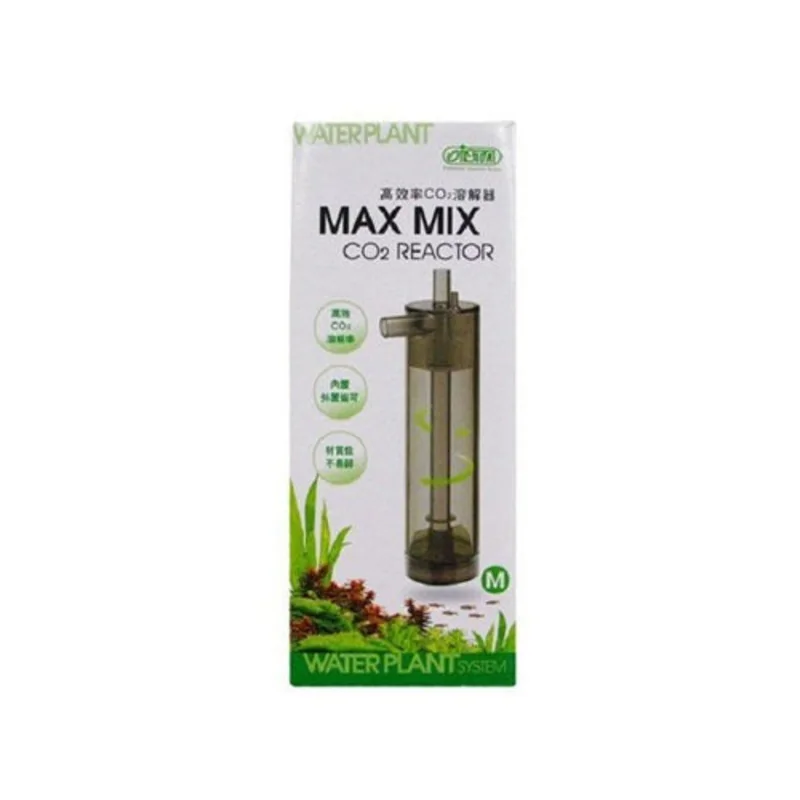
An external reactor is the strongest choice when you want dissolved CO2 without a cloud of visible microbubbles. The ISTA Max Mix format uses water movement through a chamber to give gas more contact time. That makes it attractive for large aquariums and high-output regulators, especially where the filter return is already strong. The tradeoff is cabinet space and more plumbing. Place it upright where you can inspect unions and close valves before maintenance.
Pros: mist-free output; good fit for larger water volume; keeps equipment hidden.
Cons: bulkier than an atomizer; poor sizing or low flow can leave undissolved gas.
Sera flore CO2 Active Reactor
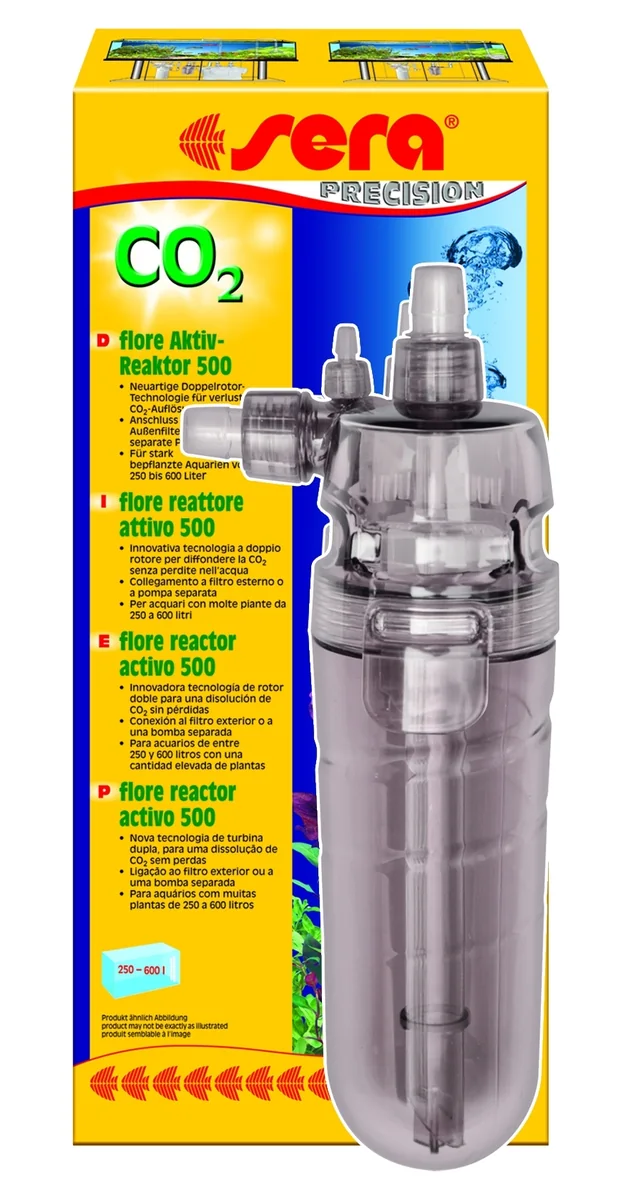
The Sera flore reactor is aimed at external-filter installations that need a dedicated mixing chamber. It can suit a large planted aquarium when the filter has enough flow to move water through the reactor and still return it with useful circulation. Check the manufacturer’s connection information against your hose and filter model. A reactor is not automatically more efficient in every setup. If the pump is undersized, the extra chamber and bends can reduce circulation enough to hurt distribution.
Pros: no ceramic disc in the tank; clean appearance; useful for external plumbing.
Cons: requires careful flow matching; needs a secure, leak-free installation.
AQUARIO Neo CO2 Diffuser Large
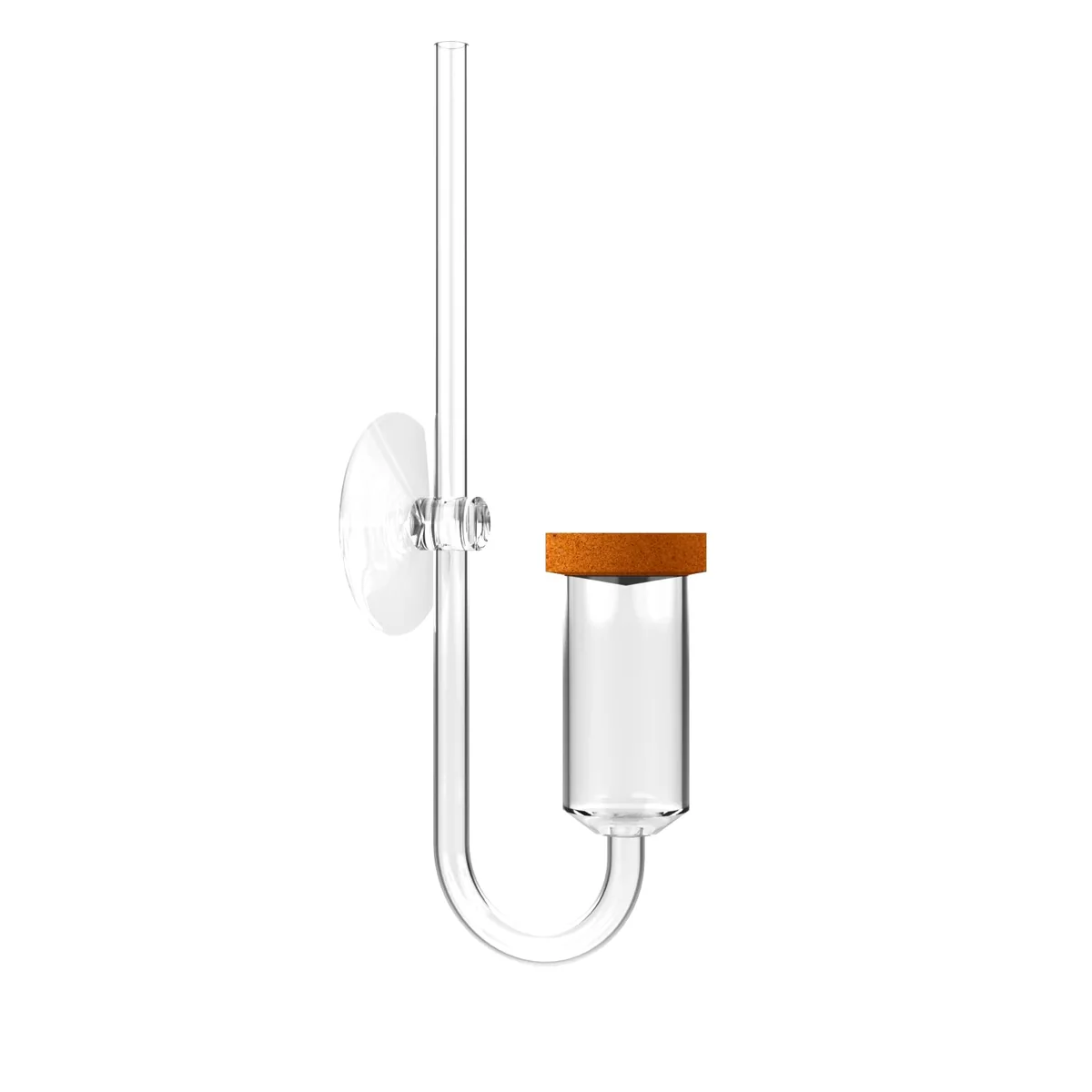
The AQUARIO Neo large diffuser is the fallback for a tank that cannot accept an inline fitting. Put it low in the aquarium, below the outlet, so bubbles have time to dissolve as circulation carries them across plants. This arrangement is easier to retrofit than an external reactor, but leaves glass or ceramic hardware in view. It also depends on circulation design. Use a drop checker as a rough trend indicator and watch fish behavior after changing the bubble rate.
Pros: simple retrofit; no filter hose cutting; large ceramic surface.
Cons: visible equipment; less tidy than an inline system; cleaning is hands-on.
How to choose for a large tank
Choose an inline atomizer when your regulator can hold the required pressure and you want a compact installation. Choose an external reactor when the tank is large, return flow is strong, and you prefer dissolved gas over visible mist. Reactors add plumbing and can reduce flow if incorrectly sized. An in-tank diffuser makes sense with a hang-on-back filter, sump return, or fixed plumbing that cannot accept an inline device.
Measure the hose before ordering. Common canister sizes include 12/16 mm and 16/22 mm, but the listing’s nominal size may describe the barb or tubing. A reducer can work, though every extra join is another leak point. Cut tubing square, warm it only enough to seat it, and use clamps where recommended.
Working pressure depends on ceramic pore size and the regulator. Start with the regulator guidance, then adjust the bubble rate gradually. A large tank does not need a high rate just because it holds more water. Gas demand changes with plant mass, surface agitation, photoperiod, and circulation. Keep the diffuser on the return line, maintain gentle surface movement, and distribute flow across the aquarium.
Clean an atomizer when bubbles become coarse or the regulator pressure climbs. Remove it from the hose, rinse debris, and soak the ceramic part in diluted aquarium-safe acid according to the product instructions. Never mix cleaning chemicals. Rinse thoroughly before reconnecting. External reactors need inspection for trapped gas, algae, and loose unions. Shut off CO2 and isolate the filter before opening any water-filled chamber.
FAQ
Is an inline atomizer better than a reactor for a large aquarium?
Not in every case. An atomizer is smaller and easier to install, while a reactor can dissolve gas without visible mist. The reactor needs enough flow and cabinet space. Match the device to your filter, regulator, and preferred appearance.
What size CO2 diffuser do I need for a 100-gallon tank?
Choose by the manufacturer’s rated flow, hose connection, and pressure requirements rather than tank volume alone. A 100-gallon aquarium with a strong canister can suit an external reactor, while a low-flow setup may need a large in-tank diffuser and better circulation.
Should a diffuser go on the intake or return hose?
For inline equipment, use the filtered return side unless the manufacturer specifically says otherwise. The return side keeps debris away from the ceramic membrane and carries dissolved gas back into the aquarium.
How do I know whether CO2 is reaching the far end?
Watch plant growth and use a drop checker as a broad trend, but check circulation directly. Small bubbles or dye movement should travel through the planted area without blasting livestock. A single indicator cannot measure every part of a large tank.
Methodology and sources
BetterAquarium has not hands-on tested these products. We compared the designs against the needs of large planted aquariums: connection options, pressure and flow considerations, service access, and whether the device keeps hardware out of the display. Product names and availability can change, so verify the current listing, hose size, included fittings, and regulator compatibility before purchase. Prices are intentionally omitted because Amazon pricing and stock vary by country.
Useful technical references include CO2Art’s inline diffuser guidance, ADA’s CO2 equipment information, and Tropica’s CO2 guide. For a complete setup, compare this guide with our best aquarium CO2 systems for beginners and best aquarium lights for planted tanks guides.
Amazon links on this page are affiliate links. If you buy through one, BetterAquarium may earn a commission at no extra cost to you.