
Buying guide
Best aquarium light for a reef tank
The right reef tank equipment gives you control without making routine care harder.
Quick comparison
| Product | Best for | Main drawback |
|---|---|---|
| AI Prime 16HD Reef LED | A single, controllable light over a compact reef | Point-source coverage can leave tank edges dim |
| Kessil A360X | Shimmer and simple spectrum adjustment | One fixture may not cover a long aquascape evenly |
| Red Sea ReefLED 90 | A guided setup for a new reef keeper | The ecosystem approach limits mix-and-match flexibility |
| Noo-Psyche K7 Pro III | Budget-minded builders who want channel control | App and support information can be harder to verify |
| NICREW HyperReef LED | Small tanks with a straightforward bar-style fixture | Edge coverage and accessory compatibility need checking |
| Current USA Orbit Marine IC PRO | Fish-first saltwater tanks with modest coral demands | Its reef tuning is less granular than dedicated reef units |
| Fluval Marine 3.0 LED | Mixed layouts where a wide, low-profile light helps | It may need help for demanding coral placement |
This is a research-based guide, not a hands-on test. Reef-light results depend on water depth, rockwork, mounting height, room temperature, and the corals you keep. Check the current manufacturer page for the exact revision, electrical requirements, mounting parts, and compatibility before ordering. Retailer ratings do not measure spectrum or usable light at the coral.
Our picks
AI Prime 16HD Reef LED
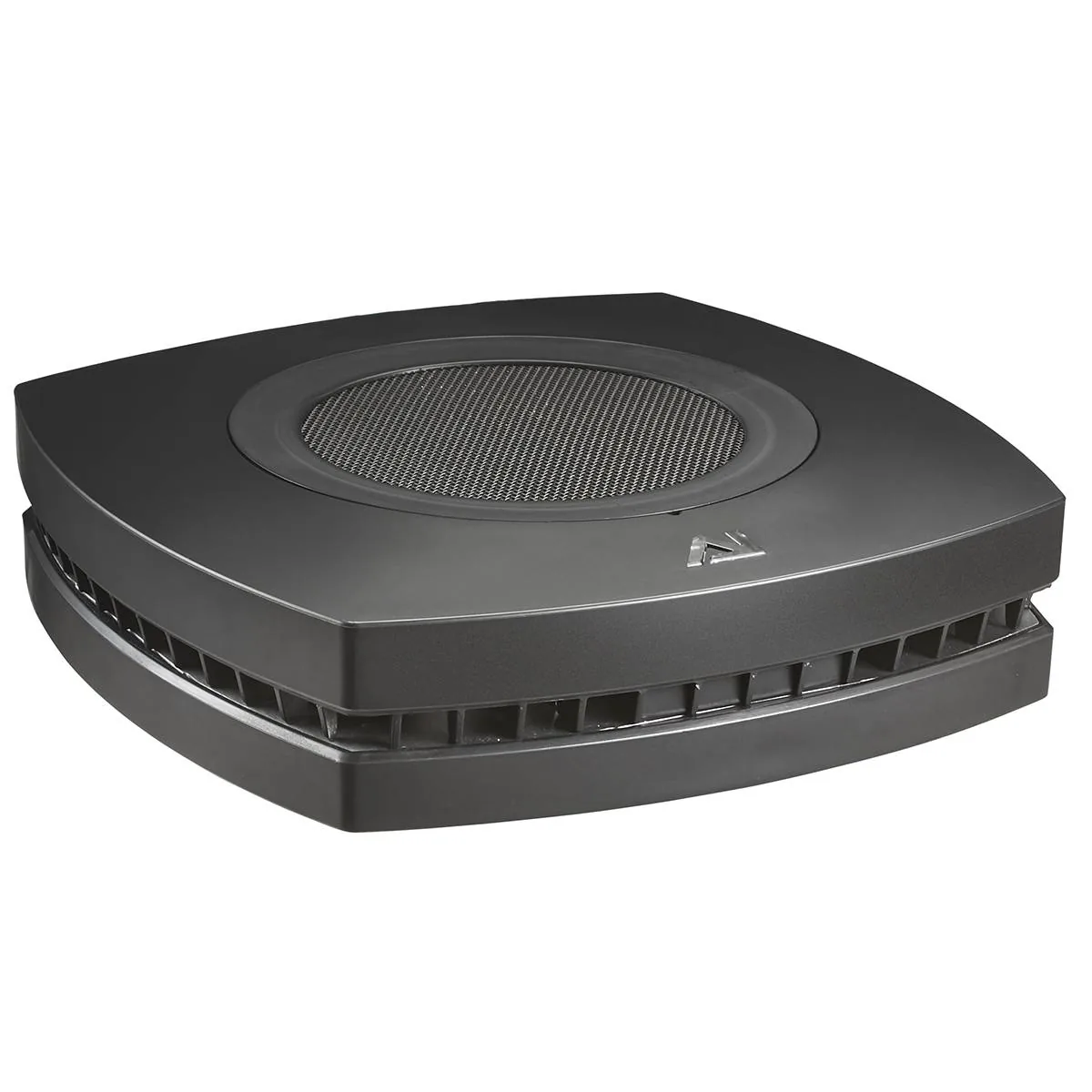 The AI Prime 16HD Reef LED suits a compact reef where you want channel-level control from a small, suspended or bracket-mounted fixture. Its app-based approach lets you build a repeatable ramp instead of adjusting a knob by guesswork. The single point of light can make shimmer attractive, but it also makes placement important. Center it over the coral-bearing area and leave room at the edges for lower-light livestock. It is a sensible first comparison for a nano or short tank. The tradeoff is coverage: a wide rockscape may need a second fixture or careful coral placement.
Kessil A360X
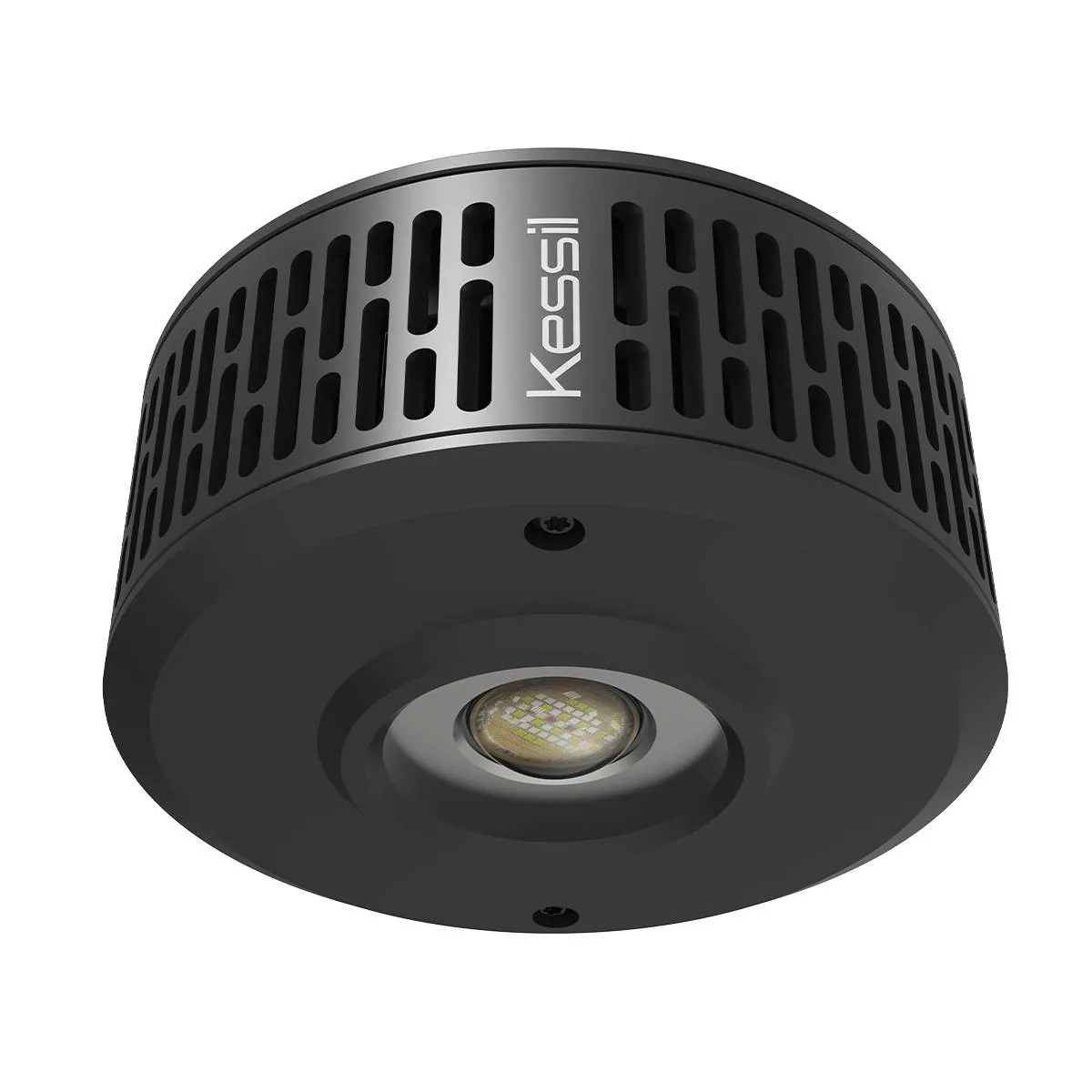 The Kessil A360X is a good match for reef keepers who care about a compact pendant, visible shimmer, and quick spectrum changes. Its onboard controls cover the basic color and intensity decisions, while optional control hardware can handle a more deliberate schedule. Hang it high enough to spread across the intended rockwork, then use lower-light zones at the perimeter. That format keeps the top of the aquarium visually open and works well over an island aquascape. The compromise is uniformity. A single pendant can produce bright centers and quieter corners in a long or crowded tank.
Red Sea ReefLED 90
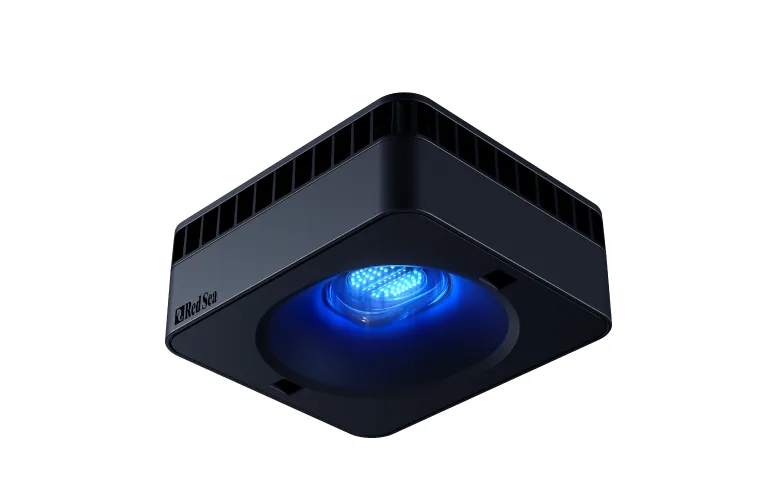 Red Sea ReefLED 90 makes the most sense when you want a guided reef-light setup and prefer to stay inside one manufacturer’s ecosystem. The app provides scheduled control and a less intimidating starting path for a new marine tank. Its dedicated arm-style mounting keeps the fixture above open water and leaves the rim accessible for maintenance. Use the adjustable schedule to introduce light gradually after a tank change or new coral addition. This is a strong fit for a conventional reef display. Its drawback is commitment: owners who enjoy combining lights, brackets, and controllers from different brands have fewer choices.
Noo-Psyche K7 Pro III
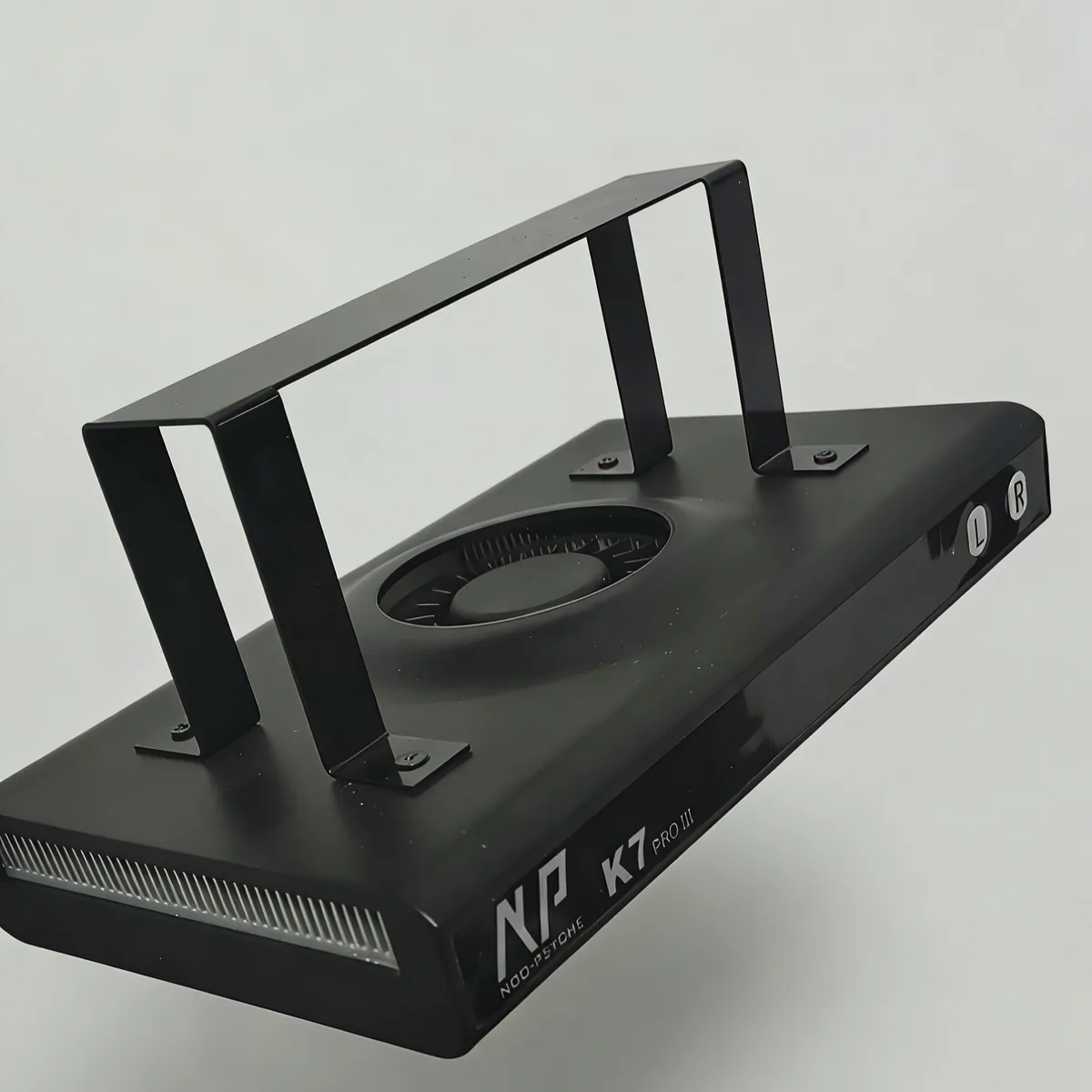 The Noo-Psyche K7 Pro III appeals to a careful buyer who wants multiple LED channels and a reef-oriented fixture without moving to a premium brand ecosystem. Its compact body is suited to a bracket or hanging arrangement, so measure the rim and cabinet clearance before you buy. Channel adjustment gives you room to run a restrained blue-heavy schedule while leaving a usable viewing period. Treat its listing and manual as part of the purchase decision, especially when confirming the controller and mounting kit. The saving is paired with a real cost: documentation and long-term support may take more work to verify.
NICREW HyperReef LED
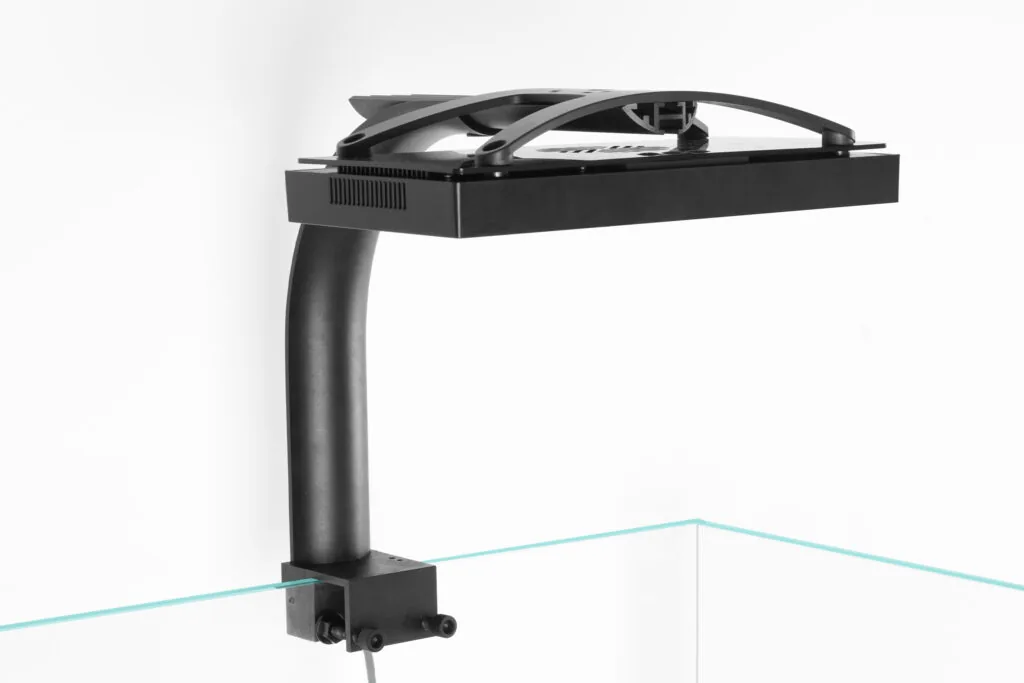 The NICREW HyperReef LED is worth considering for a small saltwater aquarium where a low-profile fixture and simple controls matter more than a large control system. Its bar-like form can sit across a rim or supporting brackets, which makes it easier to keep a lid or feeding area in place than a central pendant. Place light-demanding corals under the main illuminated zone and keep the ends for fish or shaded pieces. Confirm the exact size and included supports because the family has variants. The tradeoff is expandability: a wider display may need supplemental light rather than one bar doing every job.
Current USA Orbit Marine IC PRO
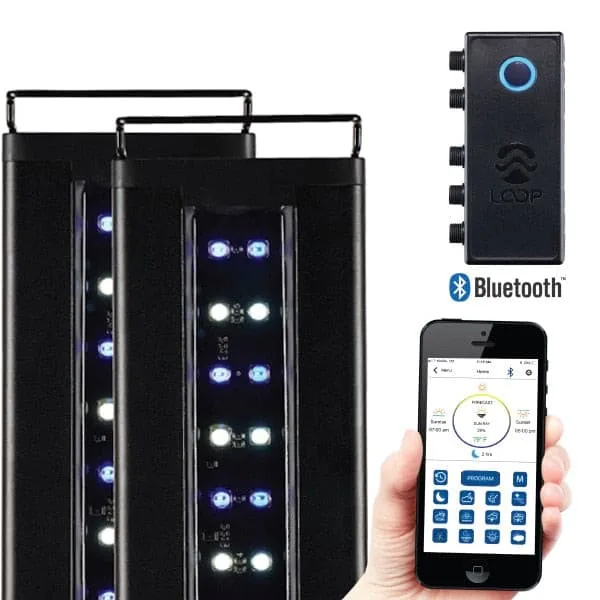 The Current USA Orbit Marine IC PRO fits a community saltwater tank that has fish as the priority and keeps coral demands moderate. Its controller and timed scenes make sunrise, daytime, and evening viewing easy to repeat, and the long fixture format can spread light across a conventional rectangular aquarium. Check the mounting legs against the tank rim, then reserve the brighter central area for tolerant soft corals while leaving shaded rock for fish. This approach is less fussy than building a multi-fixture system. The limitation is precision. It does not give a reef keeper the same fine channel planning as a dedicated coral fixture.
Fluval Marine 3.0 LED
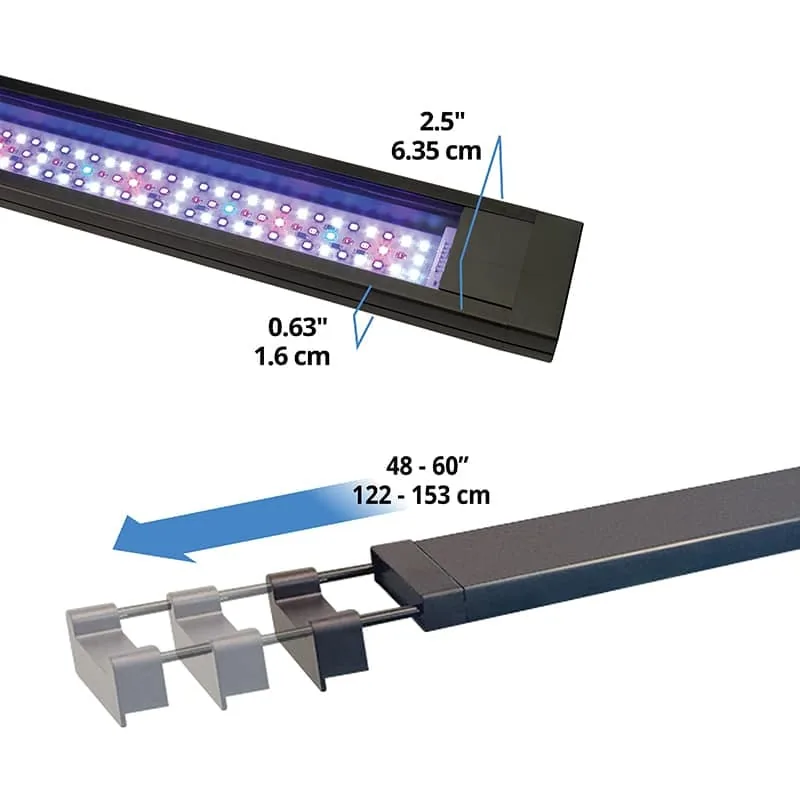 The Fluval Marine 3.0 LED works for a mixed saltwater layout that benefits from a slim fixture spanning much of the tank. App control helps you keep a consistent daily schedule and make small changes without reaching into the aquarium. Its broad form is convenient over a rimmed tank, provided the fixture length and mounting feet match the aquarium. Think of the rockwork as a map: put the more light-hungry pieces below the strongest section and use overhangs for shelter. The tradeoff is headroom. A demanding reef may outgrow this simpler setup and require supplemental or more specialized lighting.
How to choose an aquarium light for a reef tank
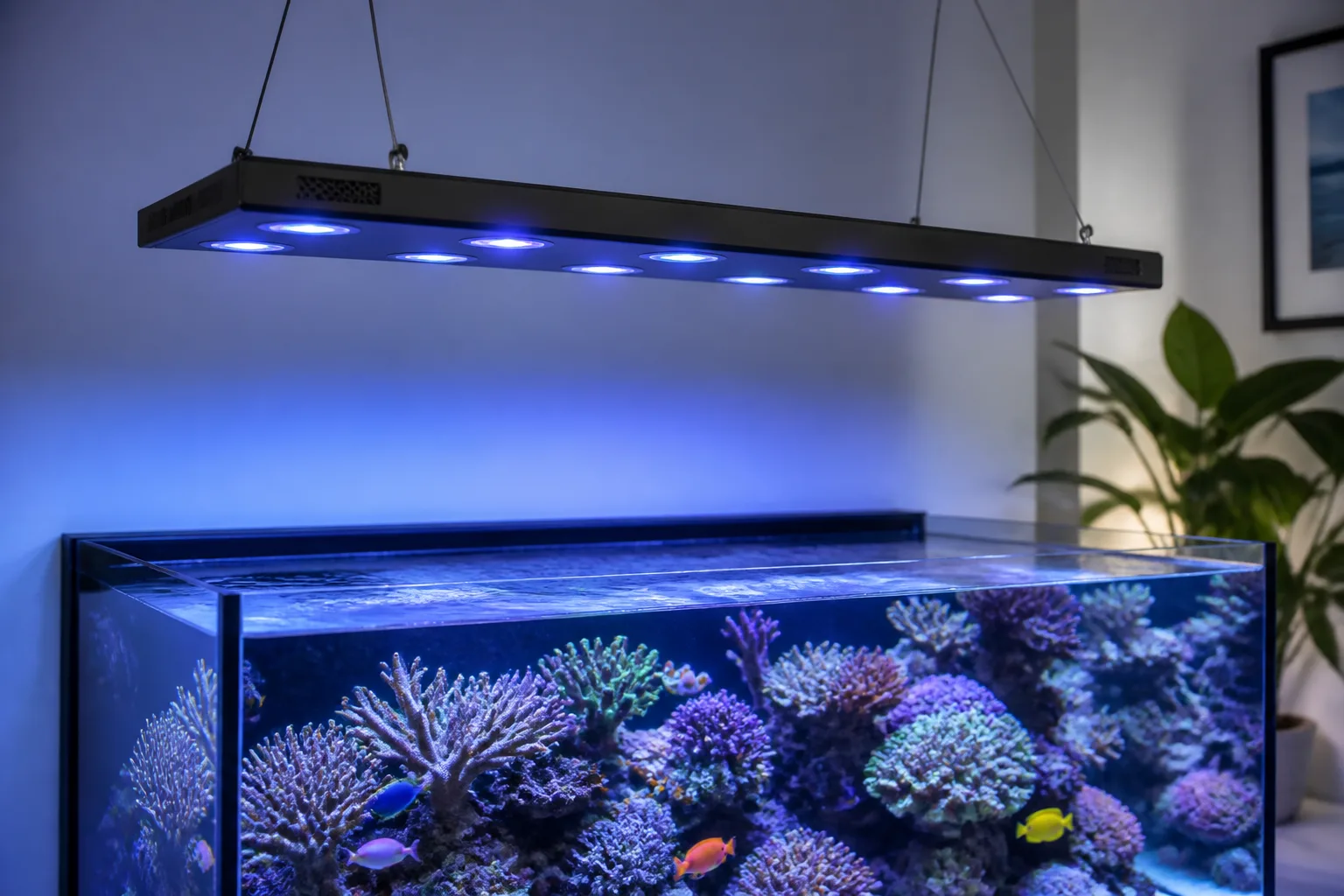
Begin with the tank’s length, front-to-back depth, rim, lid, and aquascape. Gallon capacity alone cannot tell you whether one pendant will cover the coral-bearing area. A deep tank and a shallow tank with the same volume create different mounting and light-distribution problems. Decide whether you want one point source, a bar, or several fixtures. That choice affects shimmer, edge coverage, access for cleaning, and how easily you can add light later.
Control matters because corals need a stable routine. Look for a manual control, a timer, or an app you will actually maintain. A gradual ramp is useful when introducing livestock, but changing intensity every day makes it harder to understand a coral’s response. Leave shaded areas in the rockwork. If a coral reacts poorly, shorten the photoperiod or reduce intensity, then check temperature and water conditions before buying another light.
Saltwater also changes the installation checklist. Use a drip loop, keep plugs above the outlet, and wipe salt creep before it reaches connectors. Mount the fixture where you can remove it without knocking rockwork into the glass. Fans, vents, and cabinet clearance matter in warm rooms. Confirm the electrical rating and included mounting pieces for the exact model, not just the product family name.
Frequently asked questions
What makes a reef aquarium light different from a freshwater light?
Reef fixtures are designed around marine viewing and coral-supporting spectrum control. A freshwater fixture may illuminate fish and plants well but lack the control, spread, or output pattern your coral layout requires.
How much light does a reef tank need?
There is no useful single setting for every reef. Start at a restrained level, follow the manufacturer’s guidance, and increase slowly while watching coral response, algae, temperature, and water parameters.
Is an app required for reef lighting?
No. An app helps with repeatable schedules and gradual changes, but a reliable controller or timer can run a simpler tank. Pick the control method you will check and maintain.
Should one light cover the whole reef?
Only if its spread matches the tank and the coral placement. A single pendant can leave corners dim, while a bar can make a long tank easier to cover. Measure the aquascape, not just the glass.
How high should I mount the fixture?
Use the manufacturer’s mounting guidance, then consider spread, splash risk, and access for maintenance. Raising a point-source light can soften hot spots but may reduce useful light at depth.
Recommendation
For a compact reef with active control, start by comparing the AI Prime 16HD Reef LED and Kessil A360X. The Red Sea ReefLED 90 suits a guided setup, while the Noo-Psyche and NICREW options make more sense when the budget and mounting plan come first. Choose the light whose coverage matches the coral-bearing rockwork, then keep the schedule steady long enough to judge it.
Sources and methodology
We consulted product and support information from AI, Kessil, Red Sea, NICREW, Current USA, and Fluval. We compared control methods, physical formats, mounting implications, maintenance access, and fit for reef layouts. Product photos depict the named models or stated variants. No hands-on testing was performed, so confirm current specifications and included accessories before purchase.