
Buying guide
Best Aquarium Light for a 10-Gallon Planted Tank
The right light for a 10-gallon planted tank must fit its rim, suit the plants, and be controllable enough to prevent an algae race. These seven options cover easy plants, automation, and higher-output layouts.
Quick comparison
| Product | Best for | Main advantage | Main drawback |
|---|---|---|---|
| Fluval Plant 3.0 15-24 inch | Overall control | App, dimming, and plant-light data | Premium cost |
| Finnex Planted+ 24/7 CRV 20 inch | Automation | Built-in day cycle | Less granular control |
| Chihiros A II 20 inch | Tuned aquascapes | Adjustable output | Variant fit differs |
| NICREW ClassicLED Plus 20 inch | Budget | Simple full-spectrum bar | Limited headroom |
| Hygger 24/7 20 inch | Budget timer | Integrated schedule | Specs vary by listing |
| AQUANEAT Full Spectrum 20 inch | Basic low-tech tank | Low purchase cost | Minimal controls |
| Current USA Satellite Plus Pro 18-24 inch | Programmable display | Scheduling and flexible mounting | Confirm exact version |
Best overall: Fluval Plant 3.0
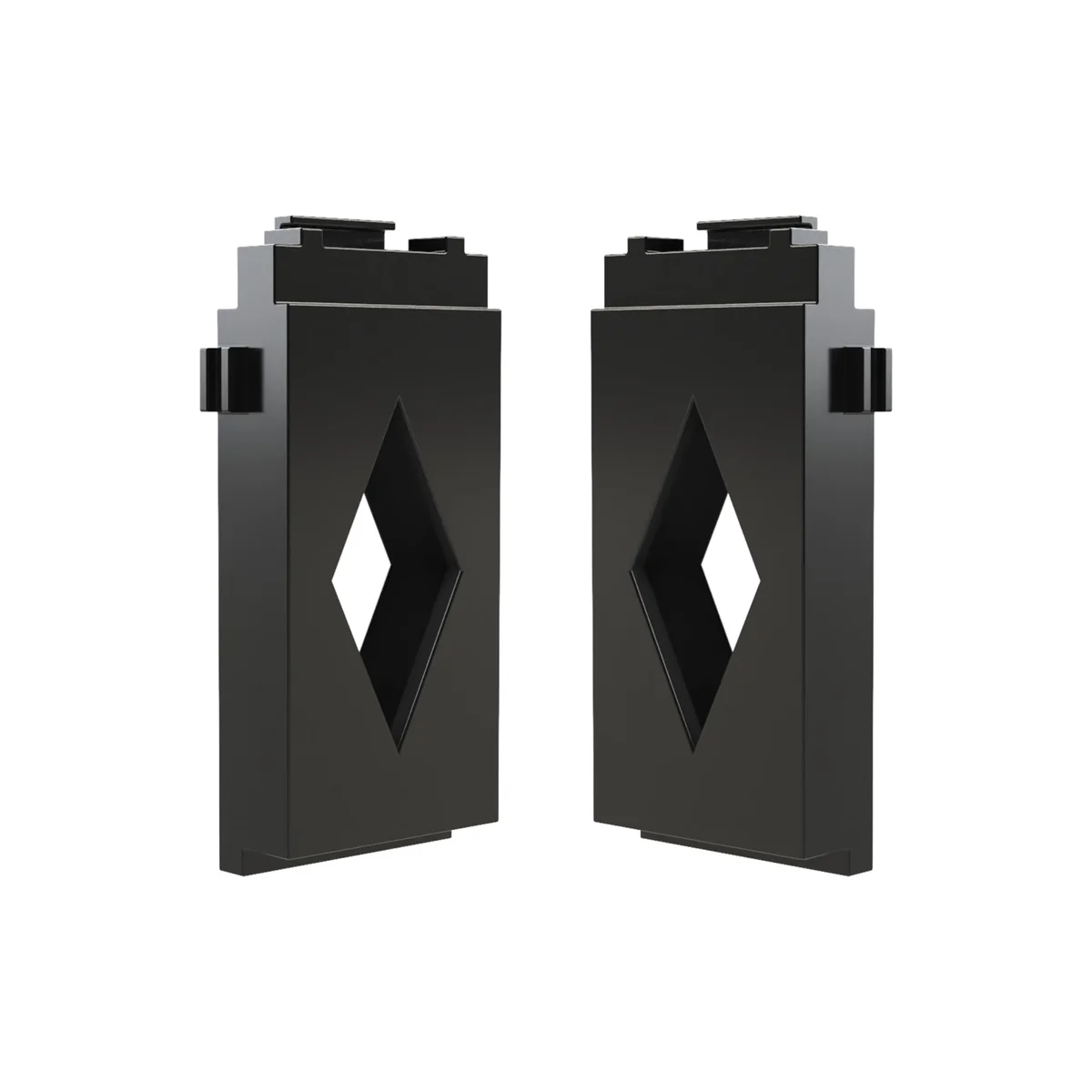
Fluval’s Plant 3.0 is the safest all-round recommendation when a ten-gallon tank needs control rather than maximum brightness. The 15 to 24-inch version fits many standard rims, while app scheduling lets you set a consistent photoperiod and lower intensity without moving the fixture. Fluval also publishes useful plant-light information, which is more informative than judging brightness from a photograph.
That control matters in a small aquarium. A powerful lamp can produce algae faster than plants can use nutrients, especially during the first weeks. Start at moderate output and six to eight hours, then change one setting at a time. The premium price buys useful adjustment if your plant list changes later.
Pros: adjustable length; detailed scheduling; documented features. Cons: expensive; app setup takes time.
Best for simple automation: Finnex Planted+ 24/7 CRV
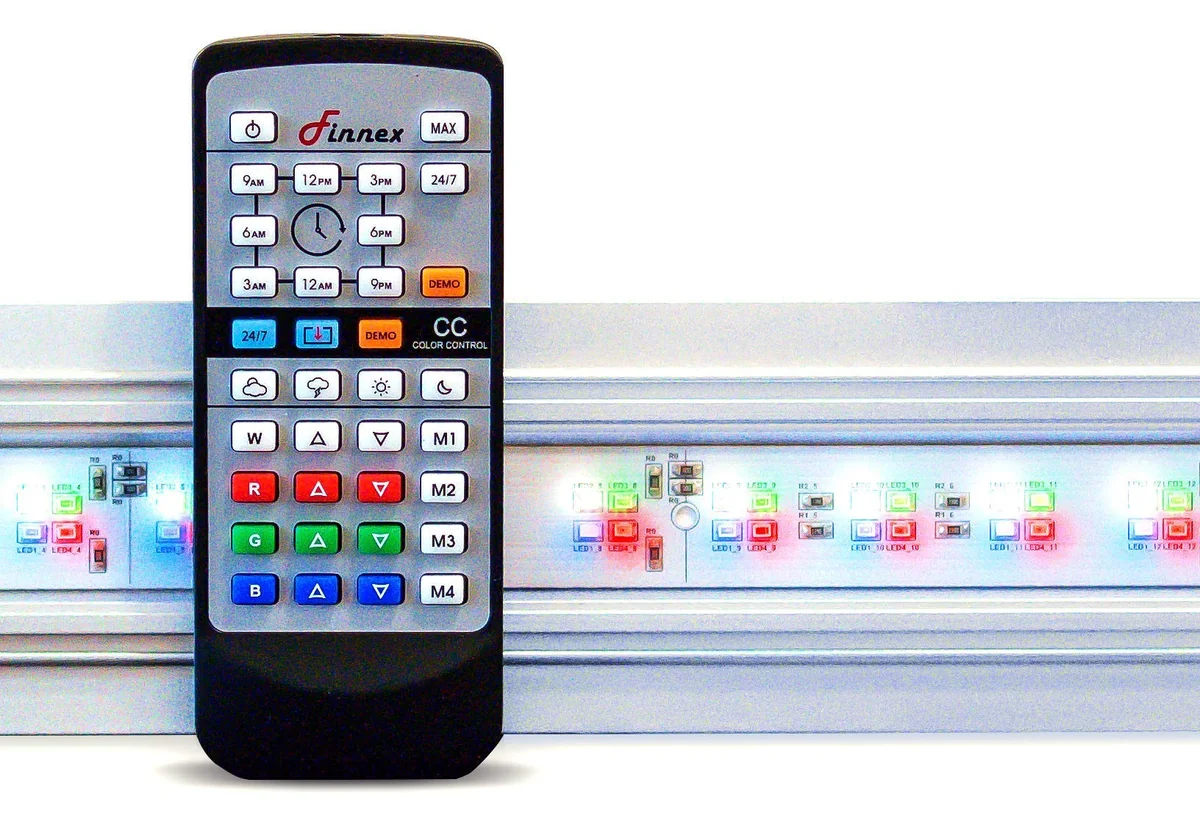
Finnex’s Planted+ 24/7 CRV suits an aquarist who wants repeatable sunrise, daytime, and sunset behavior without adding a smart plug. It is a natural match for Anubias, Java fern, Cryptocoryne, and other forgiving plants. A gradual transition is also pleasant in a living room aquarium.
Automation is its strength, not fine control. Compare the exact 20-inch listing and included controller in your country. If you want demanding carpeting plants, a dimmable aquascaping fixture may be easier to tune.
Pros: convenient cycle; beginner-friendly. Cons: less precise adjustment; variant details need checking.
Best adjustable value: Chihiros A II
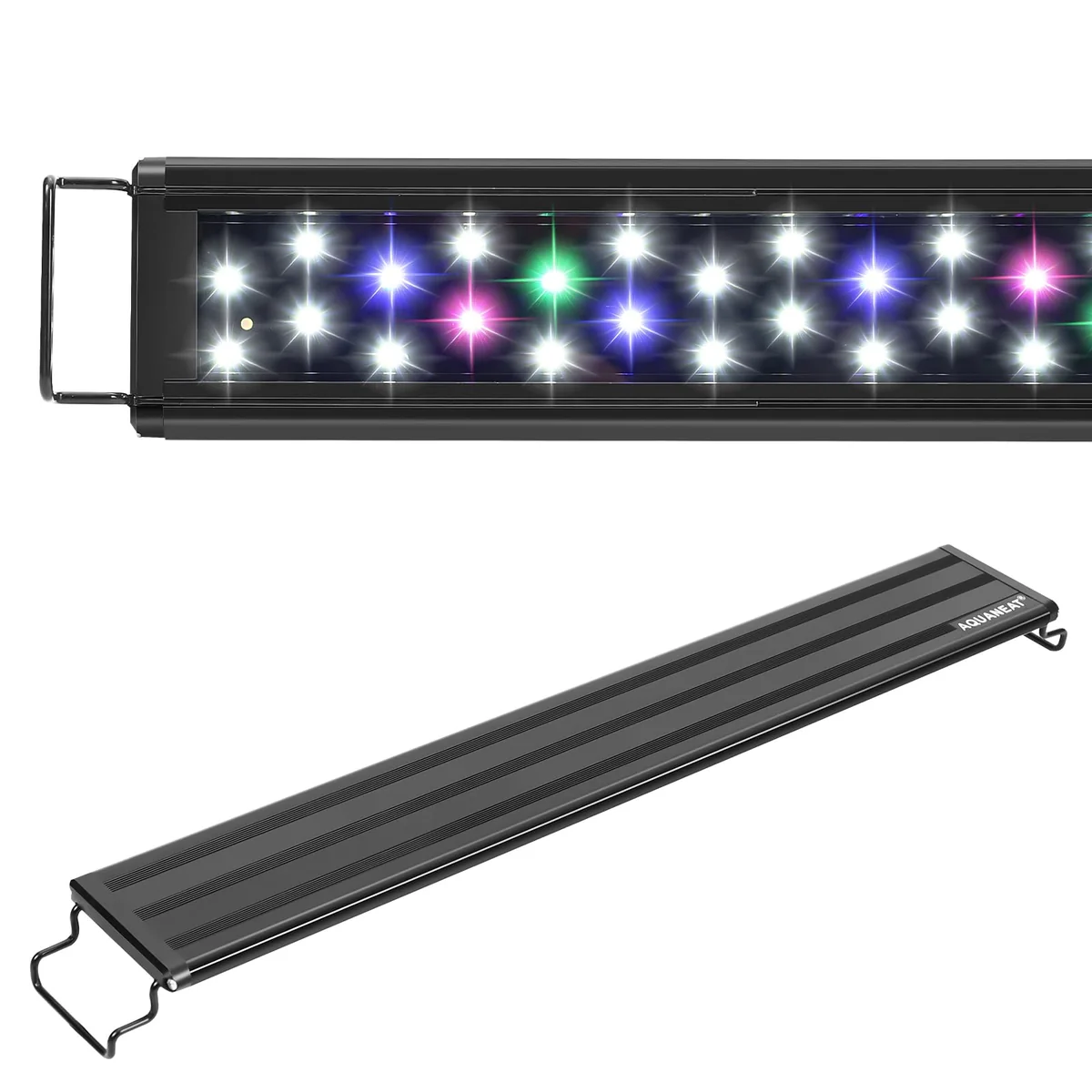
Chihiros A II is aimed at aquascapers who want output headroom and are willing to tune it. That is attractive for faster-growing stems or a planned carpet, but headroom is not a guarantee of healthy growth. In a small tank, the wrong setting can create algae quickly.
Check the rim fit and whether the controller or app accessory is included. Start below maximum intensity and increase only when plant growth justifies it. Light, carbon, nutrients, and maintenance must remain balanced.
Pros: adjustable output; strong value for aquascapers. Cons: easy to over-light; accessories vary.
Best budget bar: NICREW ClassicLED Plus
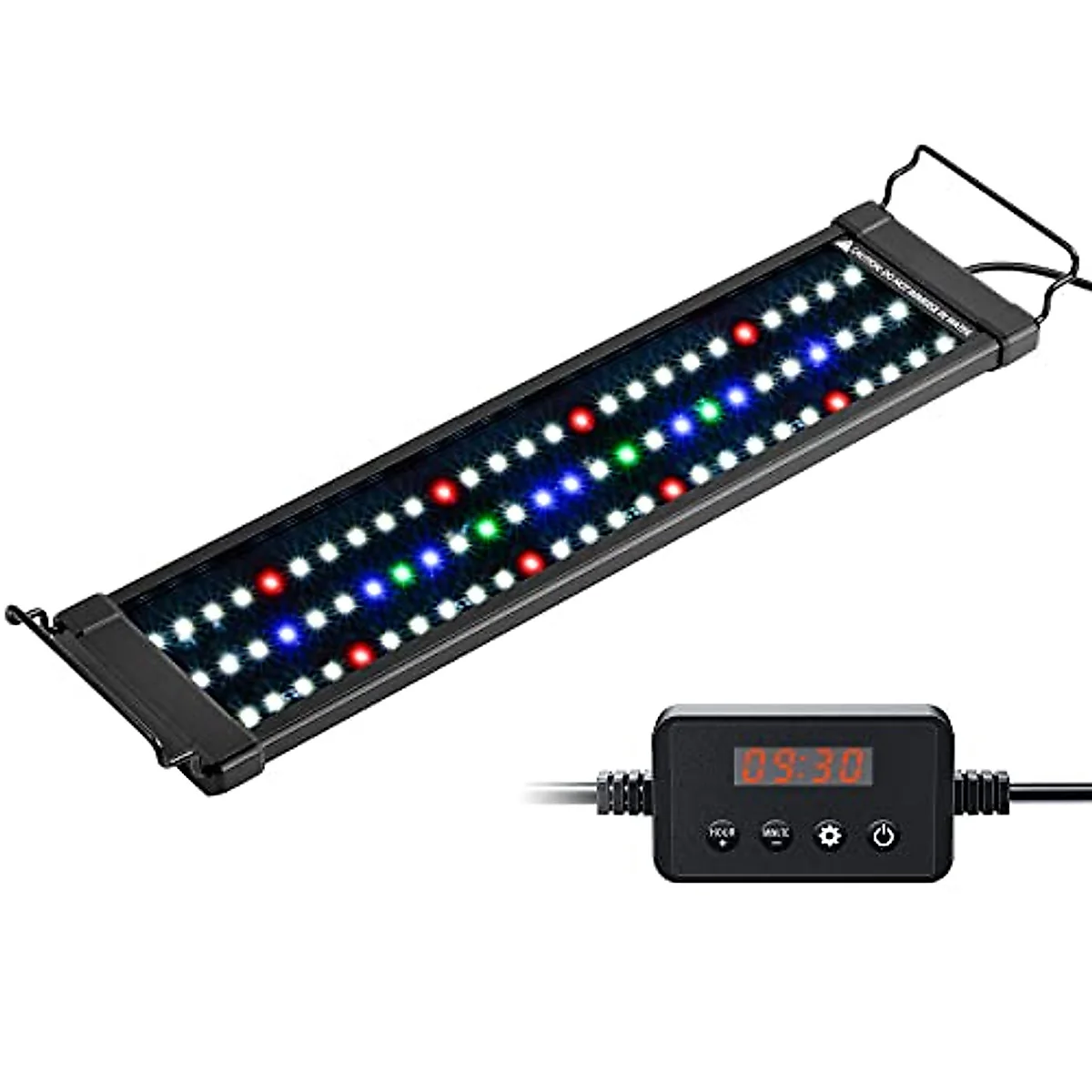
NICREW’s ClassicLED Plus is a sensible starting point for easy plants. It provides broad illumination without requiring an app or complicated setup. Add a simple plug-in timer if the selected package does not include one.
It is not the strongest choice for a high-energy aquascape. Limited adjustment makes it harder to correct for a deep tank or demanding plants. Confirm the listed length and extension range because similar 20-inch bars fit different rims.
Pros: accessible price; simple installation. Cons: modest output control; less upgrade headroom.
Best low-cost timer: Hygger 24/7
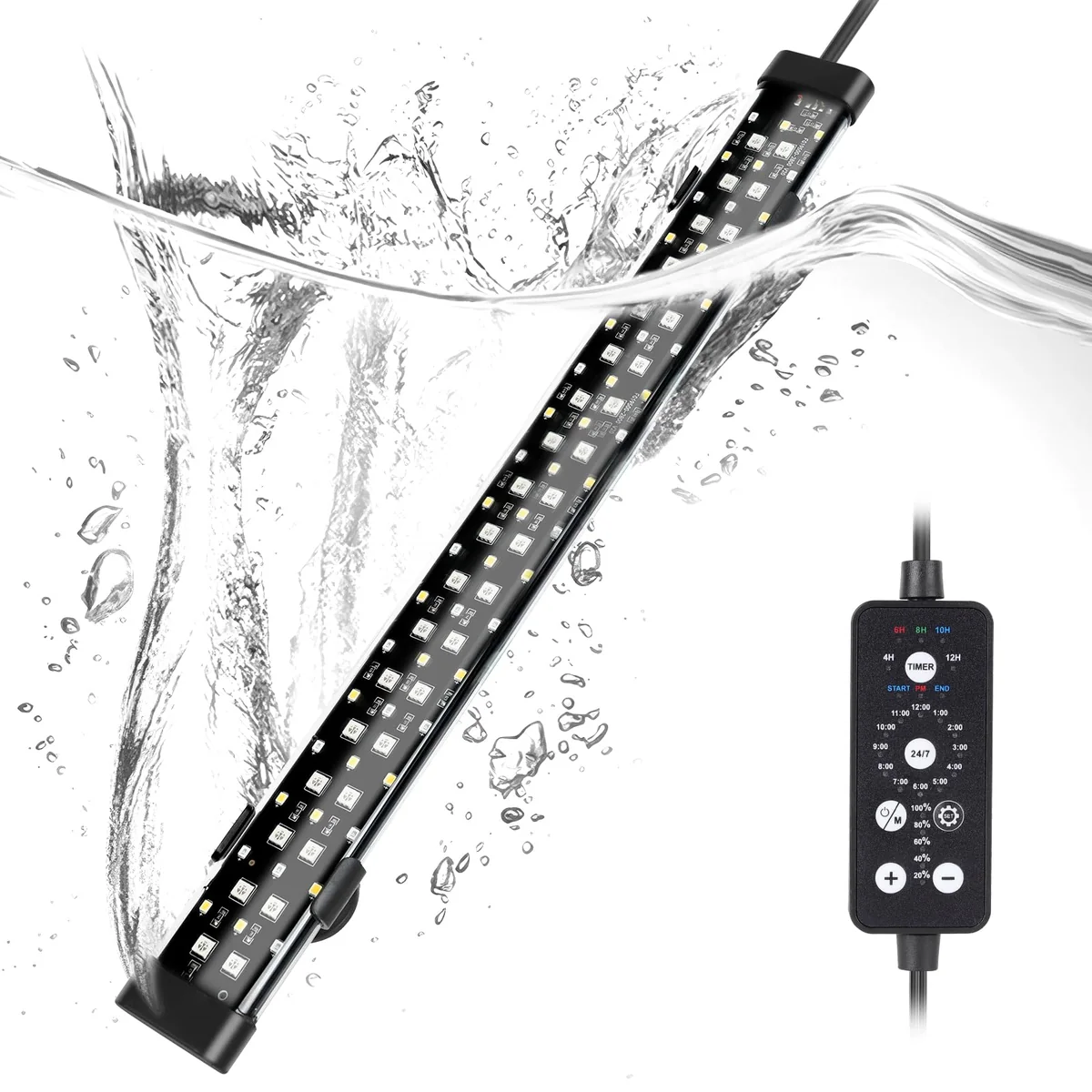
Hygger’s 24/7 range is useful when an integrated schedule matters but the Fluval budget does not. Preset transitions make the tank pleasant to watch and reduce the temptation to leave it on all day. It fits low- to medium-demand plants at restrained settings.
Read the individual listing carefully: similar names cover different lengths, wattages, and controls. Check how the schedule behaves after a power interruption, too. A reset timer is inconvenient for a planted tank.
Pros: integrated timer; usually affordable. Cons: inconsistent specifications; limited output data.
Best basic coverage: AQUANEAT Full Spectrum
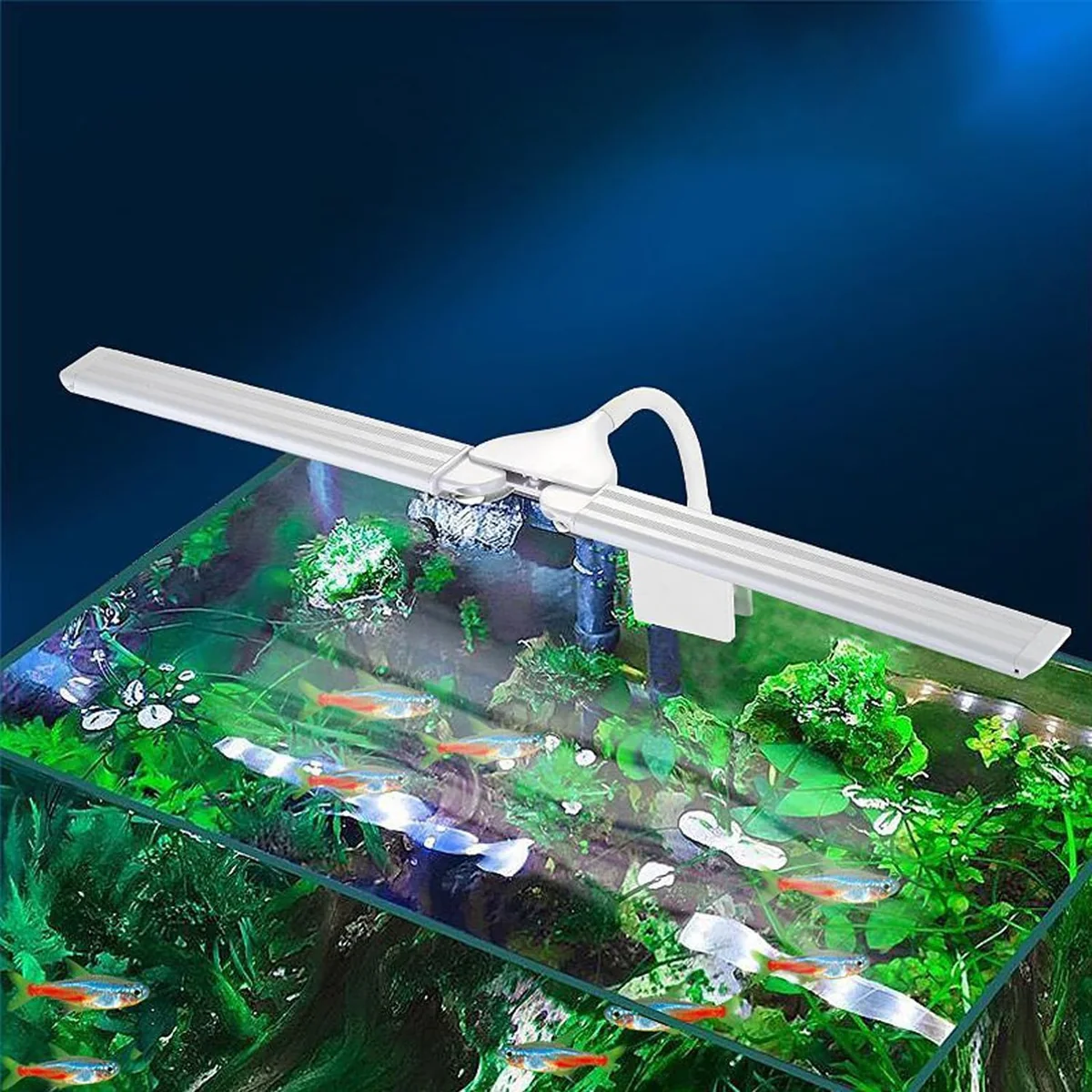
AQUANEAT’s full-spectrum bars keep the entry price low for Java moss, Anubias, Java fern, and other undemanding plants. Use a timer and resist extending the photoperiod to compensate for plants that need more carbon or nutrients.
Verify the mounting range, plug type, stated water protection, and timer before ordering. Fewer settings are easy to learn, but they also leave fewer ways to fine-tune brightness when algae appears.
Pros: low cost; simple operation. Cons: minimal controls; limited upgrade path.
Best programmable display: Current USA Satellite Plus Pro
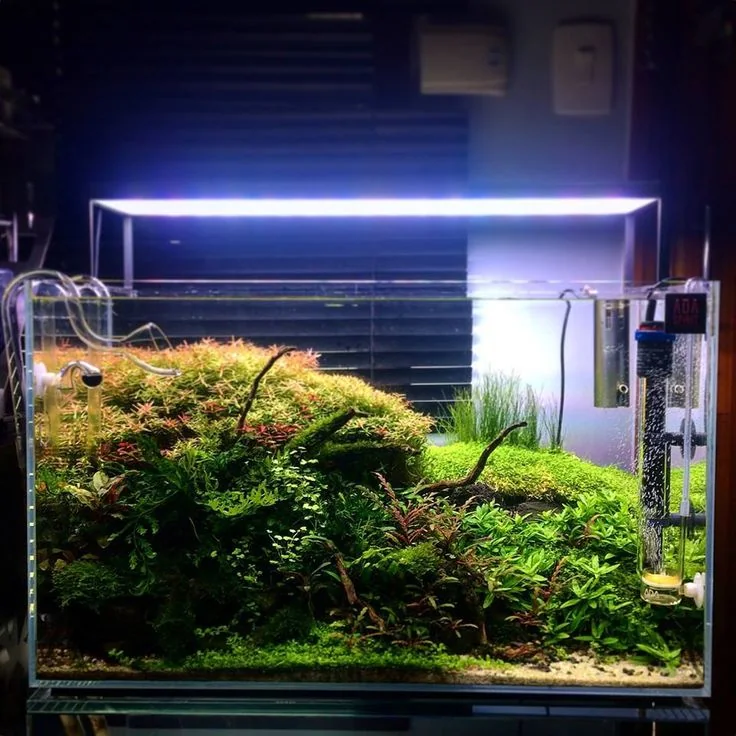
Current USA’s Satellite Plus Pro makes sense when remote scheduling and flexible mounting matter. The product family includes different configurations, so confirm the freshwater version, length, and included controller. Treat it as a programmable middle ground, not an automatic solution for a high-tech aquascape.
Match intensity to plant demand and water depth rather than choosing it for color effects alone. Flexible mounting is helpful only when the feet sit securely on the actual rim.
Pros: flexible scheduling; adaptable mounting. Cons: confusing variants; verify plant intensity.
How to choose a 10-gallon planted-tank light
Measure the tank rim and water depth before comparing wattage. “Ten gallons” describes volume, not one footprint: a long tank and a tall tank need different mounting ranges and produce different light levels at the substrate. Check minimum and maximum length, leg position, splash guidance, and cable placement.
Classify the plants next. Low-light plants need consistency more than extreme brightness. Medium-light stems benefit from adjustable output. A carpet or dense red-stem layout may need stronger light, injected CO2, and more disciplined nutrients and maintenance. A brighter lamp alone cannot repair an unbalanced aquarium.
Use a timer, begin with six to eight hours, and change settings gradually. If algae appears, review duration, intensity, feeding, flow, and plant growth. Keep the fixture within its stated splash rating, use a drip loop, and unplug it before putting hands in the water.
FAQs
What is the best light for a 10-gallon planted tank?
Fluval Plant 3.0 is the broadest recommendation because it combines a useful length range with dimming and scheduling. A budget bar is enough for easy plants; Chihiros A II offers more headroom for a tuned layout.
How long should the light run?
Start at six to eight hours of daytime illumination and observe growth and algae for several days. A longer schedule is not a substitute for suitable intensity and nutrients.
Do planted tanks need a 24/7 mode?
No. A stable daytime schedule is sufficient. Sunrise and sunset are convenience features.
Can a regular aquarium light grow plants?
Some easy plants can grow under a general LED if spectrum and intensity are adequate. A planted fixture makes coverage and adjustment easier, but no label guarantees success for every species.
Recommendation
Choose Fluval Plant 3.0 for control, Finnex for simple automation, and Chihiros A II for a tuned aquascape. NICREW, Hygger, and AQUANEAT are sensible low-tech choices; Current USA is appealing when programmable scheduling and mounting flexibility matter.
Sources and methodology
We compared manufacturers’ stated size ranges, controls, scheduling, and intended use, then matched each option to a distinct ten-gallon planted scenario. Primary specifications were checked against Fluval’s Plant 3.0 information. Additional comparison context came from AquaVerdict, Aqulator, and NanoFishNest. Verify current dimensions, availability, and included controllers before ordering. No hands-on testing was performed.
Related guides: best aquarium substrate for a planted tank and best aquarium CO2 system for beginners.