
Buying guide
Best wavemaker for soft corals
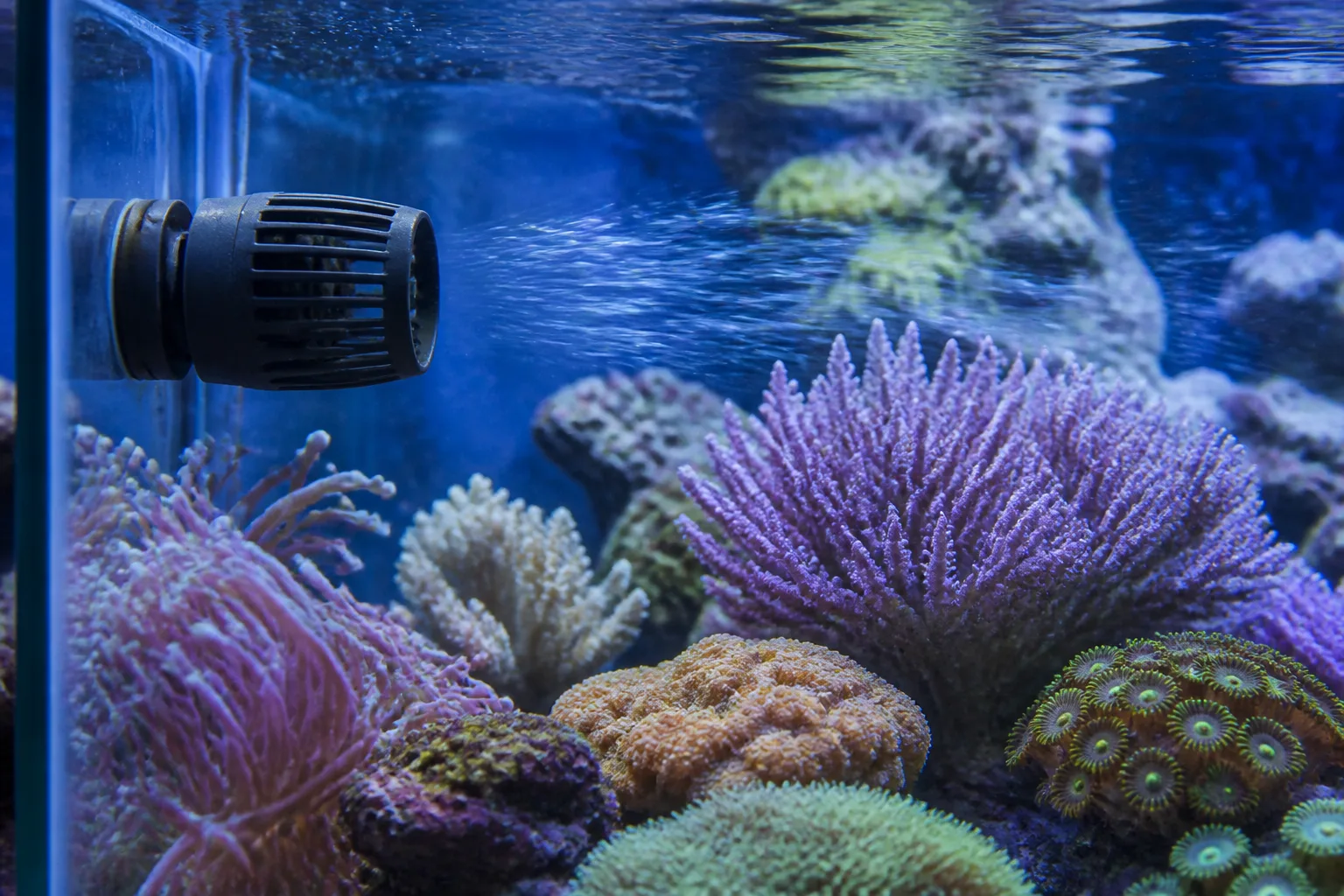
Soft corals need circulation, but a pump that leaves every polyp pinned is the wrong pump. Look for spread, a usable low setting, and easy cleaning.
Quick comparison
| Product | Best for | Main drawback |
|---|---|---|
| AI Nero 5 | Broad, app-managed movement | Needs a suitable glass mount and app setup |
| AI Nero 3 | Smaller soft-coral displays | Less headroom for a large tank |
| EcoTech Vortech MP40 QuietDrive | Large displays with external motor | Wet-side parts need regular attention |
| Sicce Voyager HP 4000 | Simple directional flow | Fewer built-in pattern controls |
| Jebao SLW-20 | Adjustable flow on a budget | Seller support differs by market |
| Tunze Turbelle Stream 3 | Large reef with a protected propeller | Too much pump for many small tanks |
| Maxspect Gyre XF330 | Cross-tank circulation | Rotor cleaning is more involved |
This guide uses manufacturer information and product fit, not personal testing. “Soft coral” covers mushrooms, leathers, zoanthids, and other animals with different tolerances, so there is no universal speed or schedule. Match the pump to the aquarium’s volume and shape, then use coral posture, sand movement, and fish behavior as your feedback. Verify the exact regional model, glass thickness, controller, voltage, and retailer stock before purchase.
Our picks
AI Nero 5
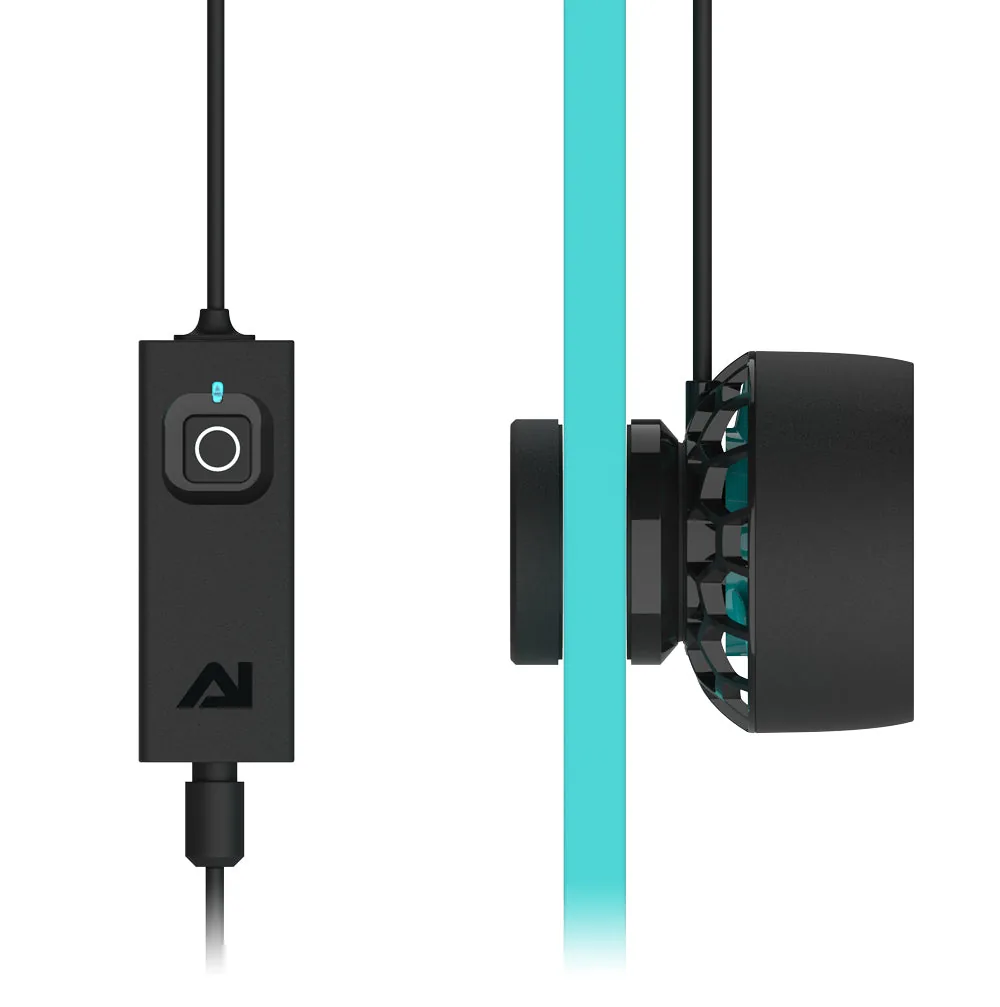
The Nero 5 is my first comparison for a medium or larger soft-coral reef that wants a wide stream and scheduled adjustment. AI lists constant, pulse, and random operation, with programming through its app ecosystem. That gives you a way to build a calm period after feeding and a more active interval later, without reaching into the tank. Its compact round wet side keeps the display face relatively clear, while the outside motor and cord need dry routing and space around the pane. Aim across the top third of the tank or behind the rock. A leather coral should move, not lie flat against the rock all day. The obvious drawback is that setup depends on a phone and a compatible glass mount. Pros: broad outlet, adjustable patterns, tidy wet-side profile. Cons: the app and exact pane limits need checking, and it can be excessive when turned up in a small aquarium. Read AI’s Nero 5 page for current details.
AI Nero 3
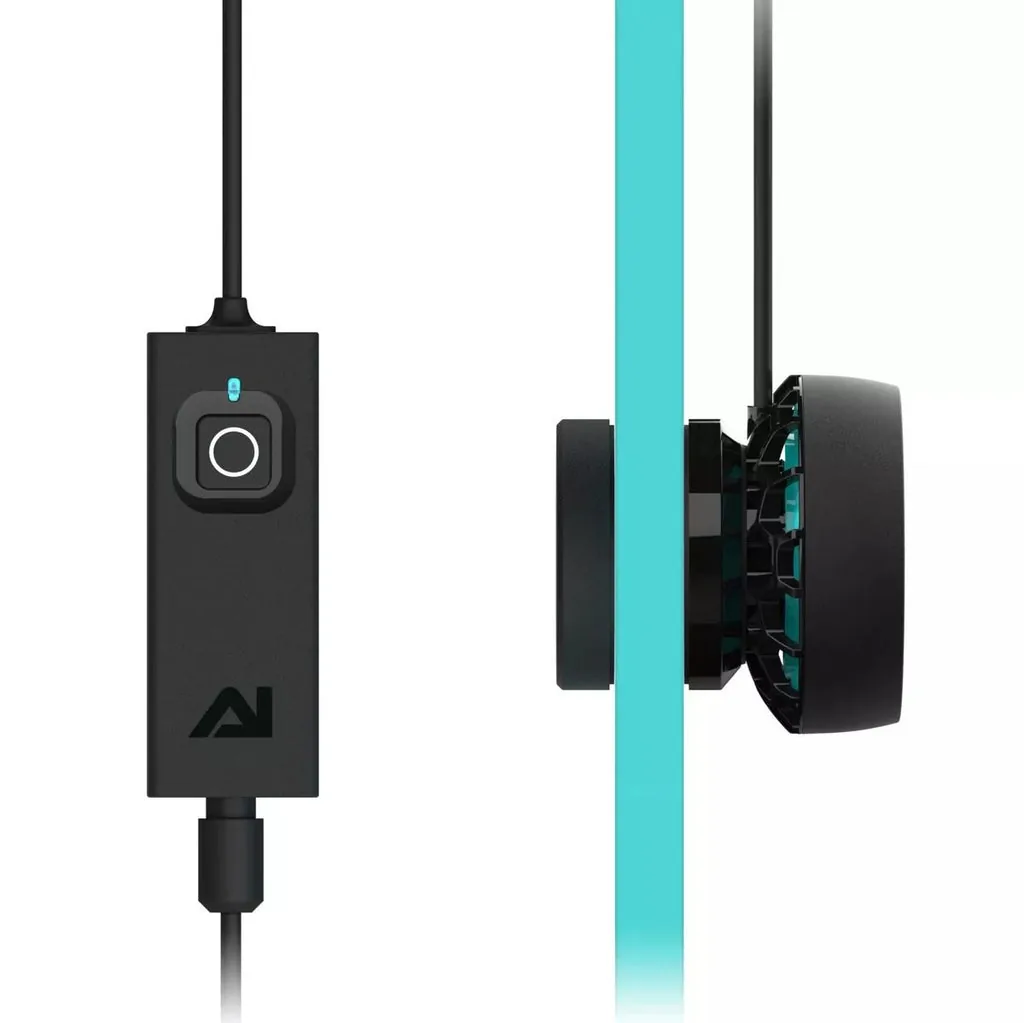
The Nero 3 is the more restrained AI option for a compact reef or a display with corals close to the pump. It shares the useful control approach of constant, pulse, and random modes, so the aquarist can lower movement during acclimation and add variation later. The round housing produces a spread rather than a narrow nozzle, which is easier to place across rockwork without blasting one mushroom colony. Use the app only after the physical installation is safe: the magnet must suit the glass, and the cord needs a drip loop. Its specific ceiling is size. A long tank packed with rock may need two pumps or a larger model to prevent a stagnant far end. Pros: manageable size, flexible programming, wide circulation. Cons: limited reserve for a long or heavily aquascaped display. Check AI’s Nero range before selecting the current revision.
EcoTech Vortech MP40 QuietDrive
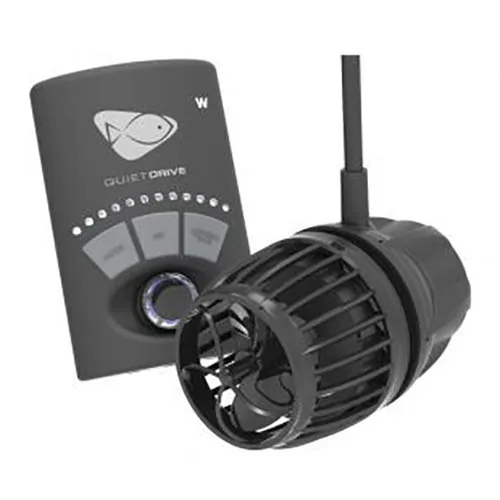
The MP40 QuietDrive suits a larger soft-coral aquarium where keeping the motor outside the water is a priority. The wet side transfers the propeller drive through the glass, leaving less equipment inside the display, while EcoTech’s control ecosystem offers scheduled flow patterns. That external motor still needs ventilation and a cable route away from salt. Set the pump across the tank rather than directly at a tall leather or waving xenia colony. The wet side is a service item. Remove it carefully, clean the housing and inspect the wet-side assembly when sound or output changes. The MP40 is a poor nano recommendation and an awkward choice for thin or unusually thick glass, so measure first. Pros: clear internal layout, programmable movement, suitable reach for large displays. Cons: wet-side maintenance and glass compatibility are non-negotiable. See EcoTech’s Vortech range for the current model information.
Sicce Voyager HP 4000
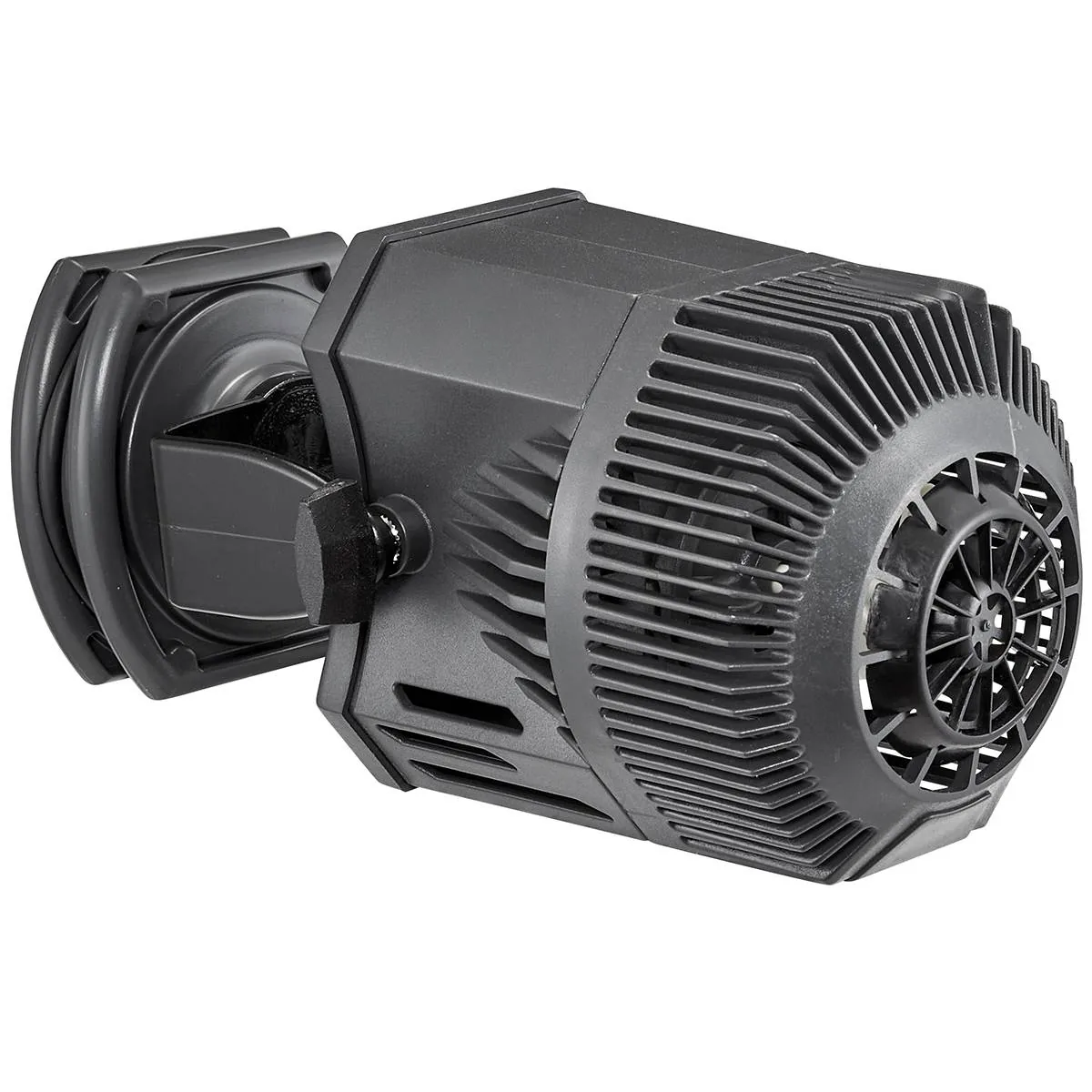
Sicce’s Voyager HP 4000 is for reef keepers who prefer a mechanically simple, directional stream. The pump body and magnetic mount let you angle circulation along the back wall or through a gap in the rock. That is helpful when one side of a soft-coral garden needs movement while the front remains calmer for mushrooms. It does not offer the same app-first scheduling as AI or EcoTech, so you create variation through placement, a compatible controller, or a fixed routine. The guard and rotor need access during cleaning, and the magnet should be matched to the aquarium pane. Pros: direct aiming, compact internal hardware, uncomplicated day-to-day control. Cons: fewer native pattern options and less ability to trim the minimum output. Consult Sicce’s Voyager HP range for the current version and accessories.
Jebao SLW-20
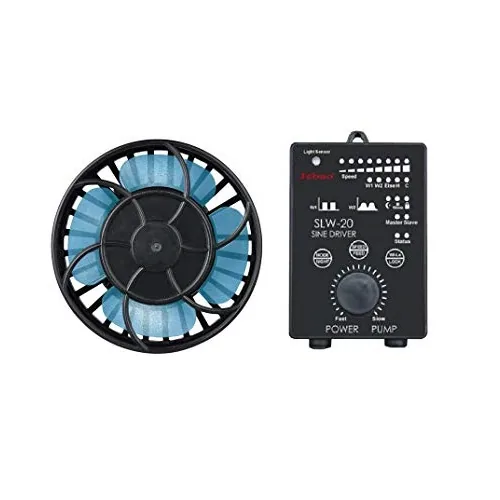
The SLW-20 gives a larger soft-coral tank a low-profile pump shape and controller-based speed adjustment without the premium ecosystem cost. Its broad outlet is easier to diffuse across rock than a narrow powerhead, and a steady or changing routine can be selected from the controller. Begin low. A large pump can still be too forceful when the coral is placed nearby, regardless of its advertised tank range. Keep the intake guard fitted, leave a drip loop, and check that the magnetic holder suits the glass. The real compromise is after-sales confidence. Jebao listings vary by seller, with different plug, warranty, and spare-part arrangements. Pros: adjustable flow, wide body, accessible budget position. Cons: support and parts availability require seller-by-seller checking. Compare the current range at Jebao before ordering.
Tunze Turbelle Stream 3
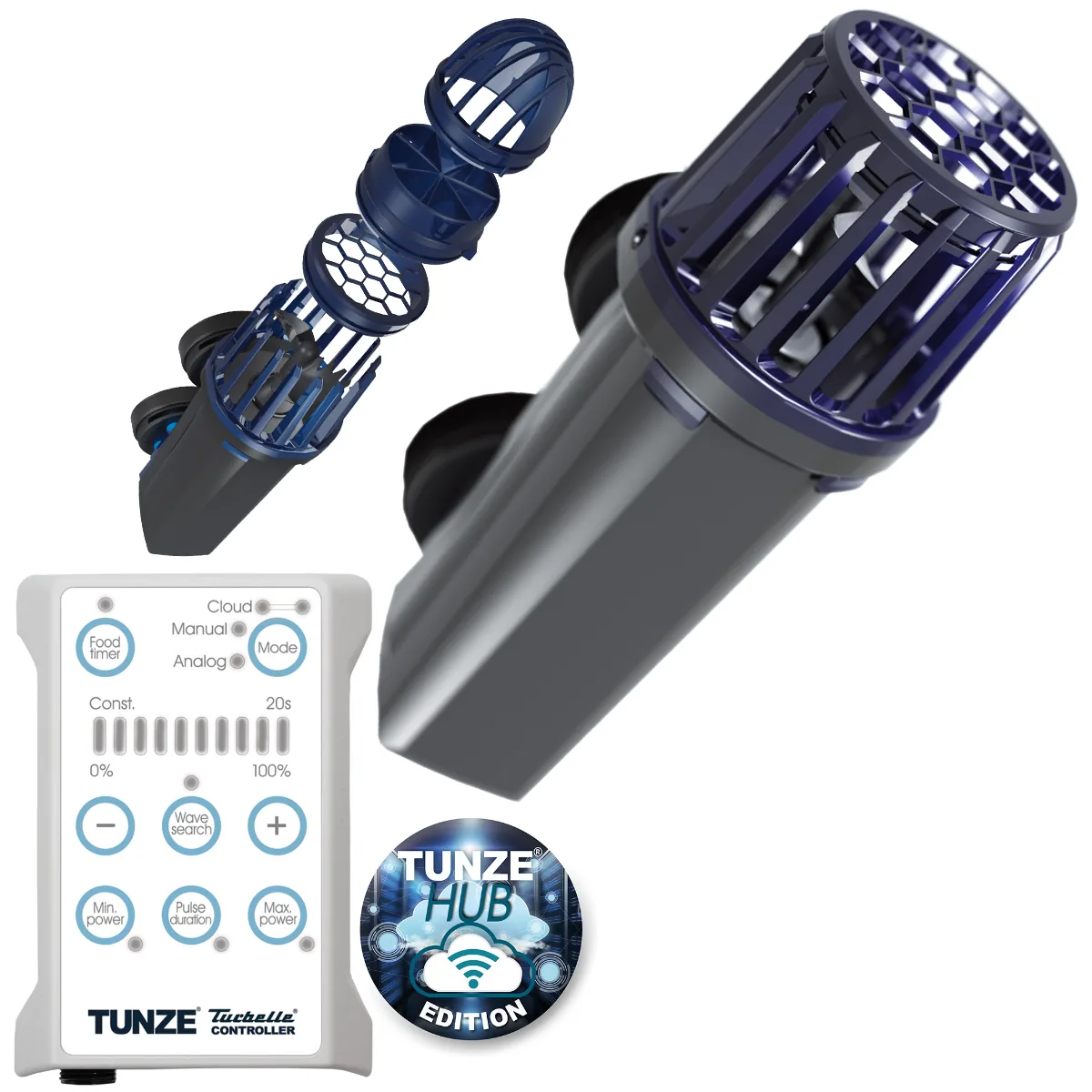
Tunze’s Turbelle Stream 3 belongs on a shortlist for a large display where a protected propeller and serviceable housing matter. Its broad stream can be directed through rockwork, while the magnet mount keeps positioning separate from the cable. A controller may be needed for full pulse or timing functions, so check the bundle rather than assuming the pump includes every accessory. This is not a casual small-tank choice. Its physical size and available output can overwhelm a modest aquarium, especially when a leather or mushroom is close to the outlet. Place it high, break the stream against open water or rock, and watch the coral over several hours. Pros: guarded propeller, broad movement, adaptable mounting. Cons: oversized for many soft-coral tanks and potentially accessory-dependent. Tunze lists the current Turbelle Stream line.
Maxspect Gyre XF330
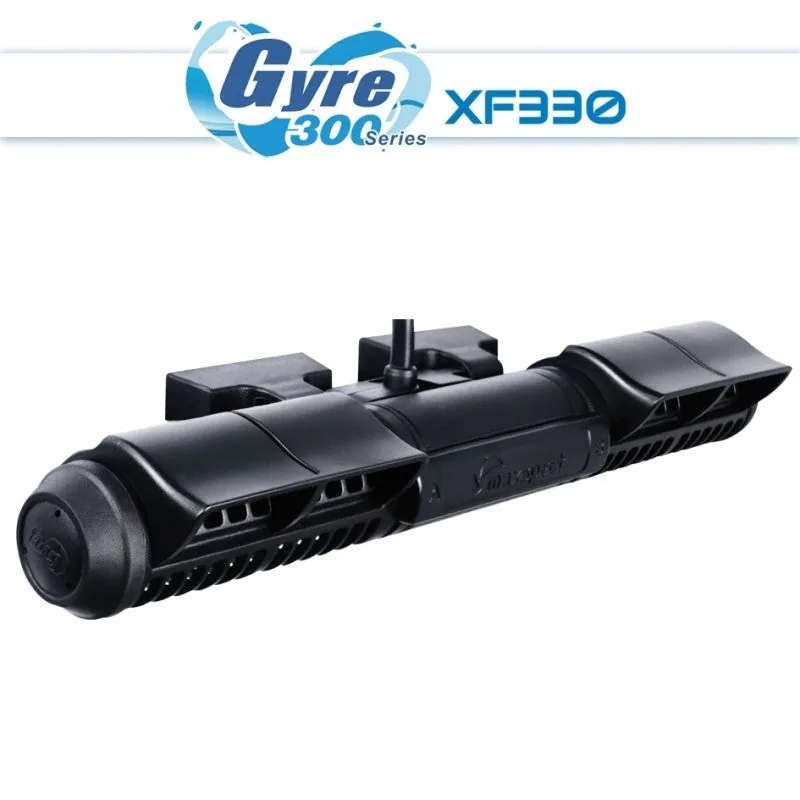
The Gyre XF330 takes a different route from round propeller pumps. Its elongated rotor arrangement pushes water across the tank, which can be useful in a long display with a dead corner behind rockwork. For soft corals, that broad movement is promising only when the minimum setting and placement leave a rest area. Mount it with enough clearance to remove the rotor covers. Cleaning takes more pieces and more patience than a small circular pump, so do not bury the unit behind a coral shelf. Use the controller to build gentle changes and observe whether the far end gets movement without the nearest leather being flattened. Pros: cross-tank circulation, useful for long aquariums, adjustable routines. Cons: larger service footprint and greater placement sensitivity. See Maxspect’s Gyre documentation for current compatibility.
How to choose flow for soft corals
Start with the aquarium, not the pump label. Measure the display length, water depth, glass thickness, and distance between the planned mount and the nearest coral. A magnet should hold securely without being forced together against the glass. Leave clear access to the guard or wet side because a pump that cannot be cleaned will eventually lose output.
Soft corals give useful visual feedback. Polyps should sway and open rather than remain pressed against a rock. A mushroom that stays folded, a leather that never expands, or sand that continually travels across the bottom suggests a placement or setting problem. Aim across the surface, along a back wall, or behind rockwork. Avoid a direct outlet aimed at a colony. Add a second, gentler pump only when the tank has a persistent stagnant section, not simply because more equipment looks reassuring.
Set a steady baseline before using pulse or random modes. Change the speed or angle once, then watch the tank through feeding and lights-out. Keep fish able to leave the main current. Cover the intake, use a drip loop, and switch off power before putting a hand near the rotor. Rinse removable parts in aquarium water and replace damaged guards rather than running exposed blades.
Frequently asked questions
What flow pattern is best for soft corals?
There is no single winner. Broad, indirect movement usually gives more usable space than a narrow jet. A steady setting is a sensible baseline; variation can come later if the coral still has a calm area.
Can a wavemaker damage a leather coral?
It can stress the coral if the stream holds it flat or prevents expansion. Move the pump, lower its setting, or bounce the flow off rock. Judge the coral’s posture over time, not during one brief glance.
Should a soft-coral reef use one pump or two?
One can work in a small or open layout. Two smaller pumps may reduce dead spots in a long display, but each adds another intake, cord, mount, and cleaning task. Add equipment only when you can identify the circulation gap.
Are cross-flow pumps better than propeller pumps?
Not automatically. Cross-flow designs can distribute movement across a long tank, while a propeller pump is easier to aim around a particular coral. Choose the form that matches the aquascape and leaves a useful low setting.
How often should a reef wavemaker be serviced?
Inspect the guard, rotor, magnet, and cable weekly. Clean when algae or calcium changes sound or output. Follow the model’s disassembly instructions and keep the electrical motor dry.
Recommendation
For a typical soft-coral reef, compare the AI Nero 5 first, then the Nero 3 if the aquarium is compact. The MP40, Tunze Stream 3, and Gyre XF330 make more sense in larger or longer displays where broad circulation must cross substantial rockwork. Sicce is the straightforward directional choice, while Jebao offers adjustable flow when the seller’s warranty and parts path check out.
Sources and methodology
We reviewed manufacturer information from AI, EcoTech Marine, Sicce, Jebao, Tunze, and Maxspect. We compared pump form, control approach, mounting, intake protection, cleaning access, and suitability for soft-coral placement. No hands-on testing was performed. Images are category visuals and may not show the exact branded model. Confirm current manuals, regional voltage, glass limits, included accessories, and retailer stock before purchase.