
Buying guide
Best protein skimmer for a 75-gallon reef
For a 75-gallon reef, choose a skimmer that fits the sump or hangs securely, then match its adjustment range to the tank's real bioload.
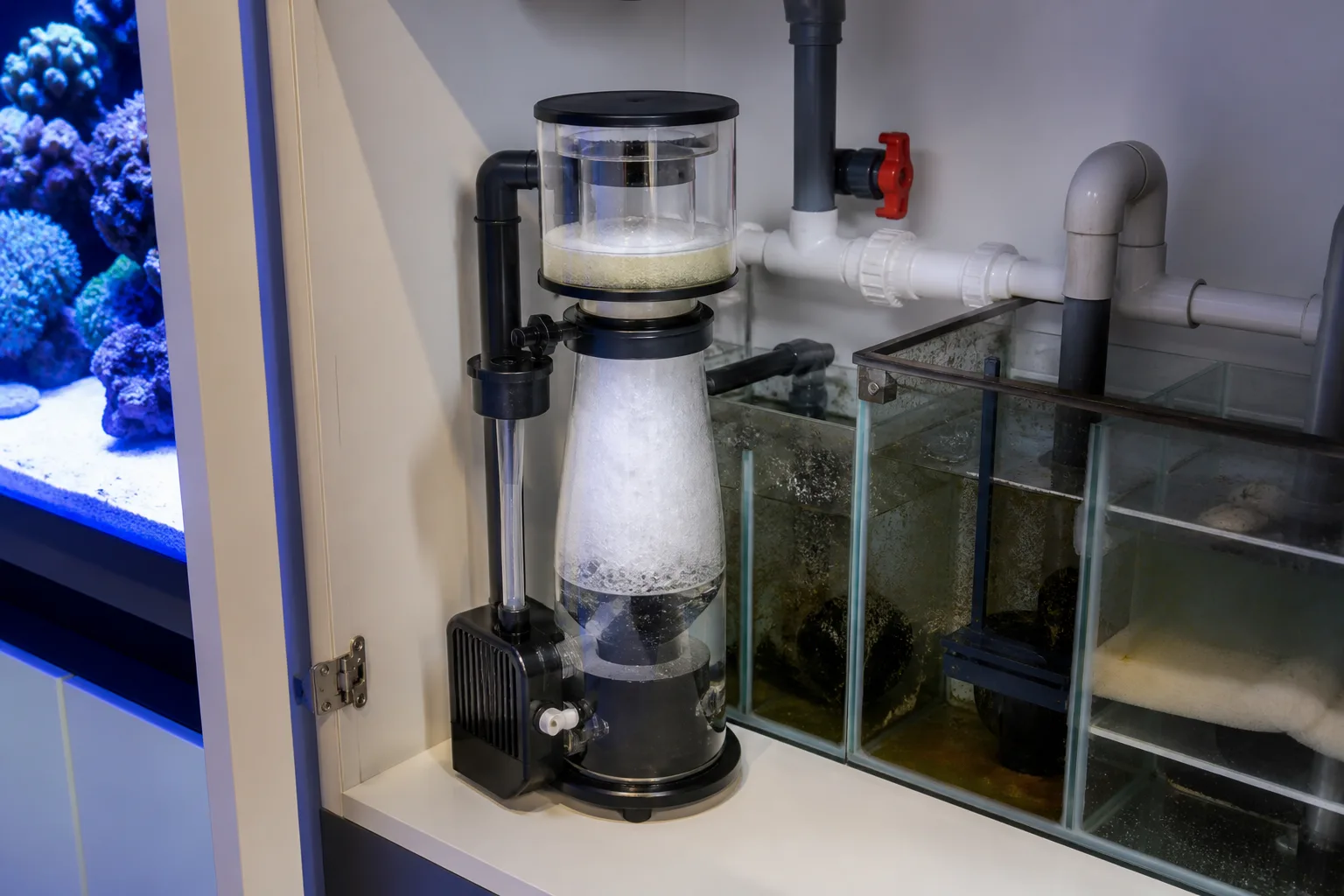
Quick comparison
| Product | Best fit | Main tradeoff |
|---|---|---|
| Reef Octopus Classic 150INT | In-sump starting point | Needs cabinet room and stable depth |
| Bubble Magus Curve 7 | Dedicated sump bay | Measure cup clearance |
| AquaMaxx ConeS CO-2 | Higher-load reef | Uses more sump space |
| Red Sea DC Skimmer 600 | Adjustable pump control | More settings to learn |
| CoraLife Super Skimmer 125 | Flexible format comparison | Verify the exact version |
| IceCap K1-130 | Roomy sump | Can crowd adjacent gear |
| Seachem DOC Skimmer | Compact equipment plan | Check mounting details |
This is a research-based shortlist, not a hands-on ranking. Product names can cover several versions, so verify the exact model, dimensions, operating depth, voltage, and return policy. A 75-gallon reef with a heavy fish load may need a different fit from a lightly fed coral display. The biggest skimmer is not automatically the best skimmer.
Our picks
Reef Octopus Classic 150INT
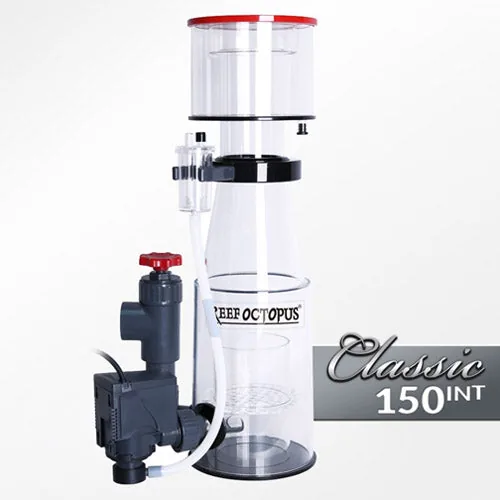 This is the sensible first comparison for a 75-gallon reef with a sump. The in-sump format keeps the display clear, but cabinet planning becomes part of the purchase. Leave room to lift the cup, remove the pump, and reach the air intake. More fish and heavier feeding give a skimmer more work to do, while a sparse coral system may need gentler adjustment. Pros: familiar sump format; useful scale for this query; easy to compare with other sump bodies. Cons: poor choice if the sump is shallow or the cup hits the stand.
Bubble Magus Curve 7
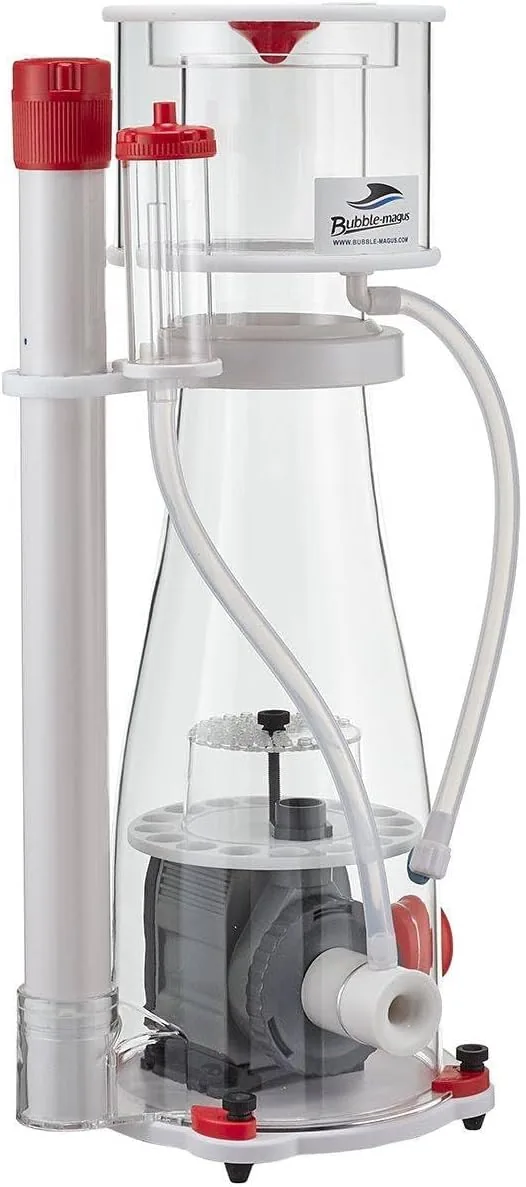 Put the Curve 7 on the list when the sump has a dedicated skimmer section and enough vertical access. Measure from the sump floor to the obstruction above the cup. A cabinet door can look roomy while a brace or plumbing line blocks service. This model suits a buyer who expects the bioload to grow, provided the maker’s guidance matches the system. Pros: tidy sump installation; straightforward service checklist; useful for a moderately stocked plan. Cons: a tall body can be awkward in a tight stand.
AquaMaxx ConeS CO-2
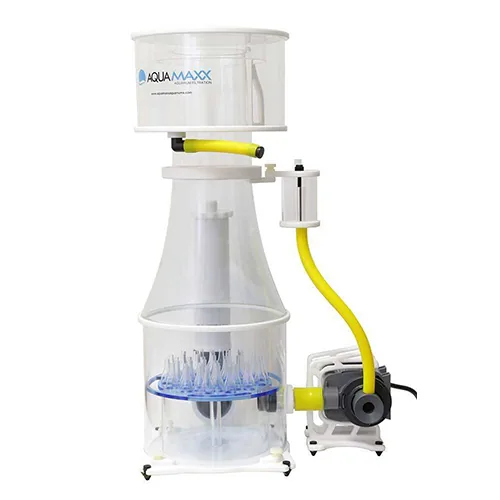 Consider this cone-style option when the reef will carry a meaningful fish or feeding load and the sump has room. The decision is physical first. Check the skimmer section, water depth, cup path, and space around the pump. Oversizing can make a lightly loaded tank less predictable, so capacity should follow the livestock plan. Pros: sensible comparison for a higher-load setup; hidden sump placement; room to plan for growth. Cons: consumes valuable sump space and may be excessive for a lightly stocked display.
Red Sea DC Skimmer 600
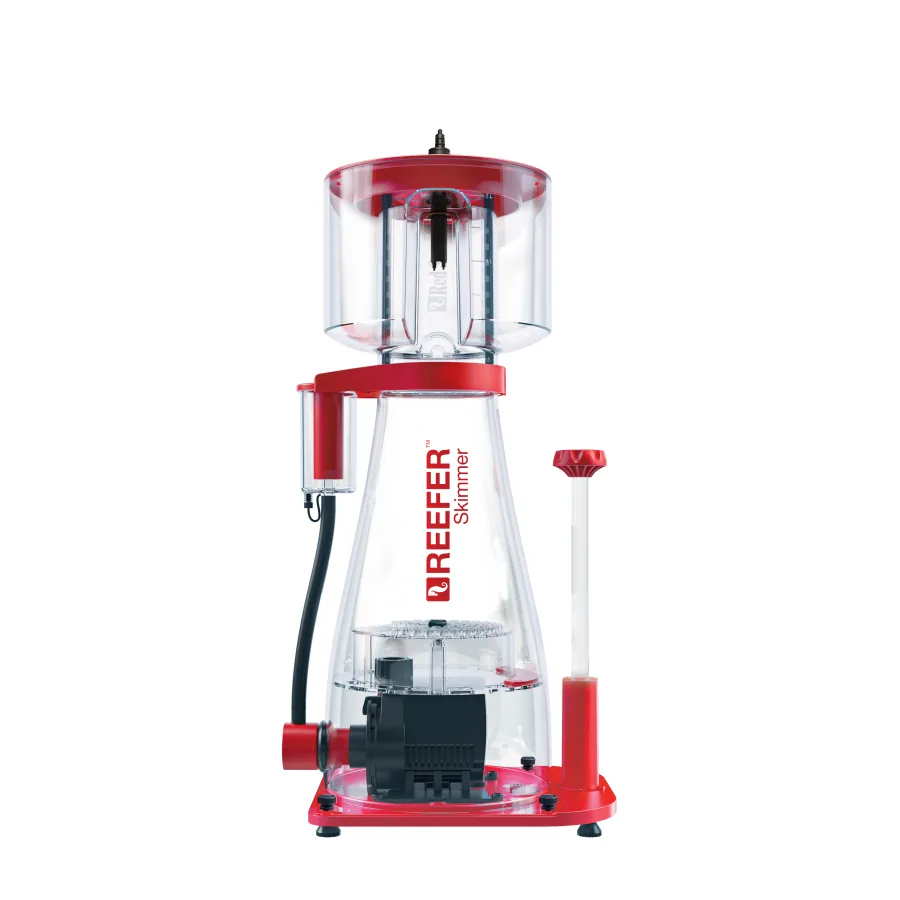 Compare this one if pump control matters. Adjustable control can help when a skimmer settles in or feeding changes, but it adds another setting to understand. Establish the correct water depth first and change one control at a time. Pros: control-oriented format; useful when the load changes; contained sump installation. Cons: controls do not compensate for incorrect depth, blocked air, or skipped cleaning.
CoraLife Super Skimmer 125
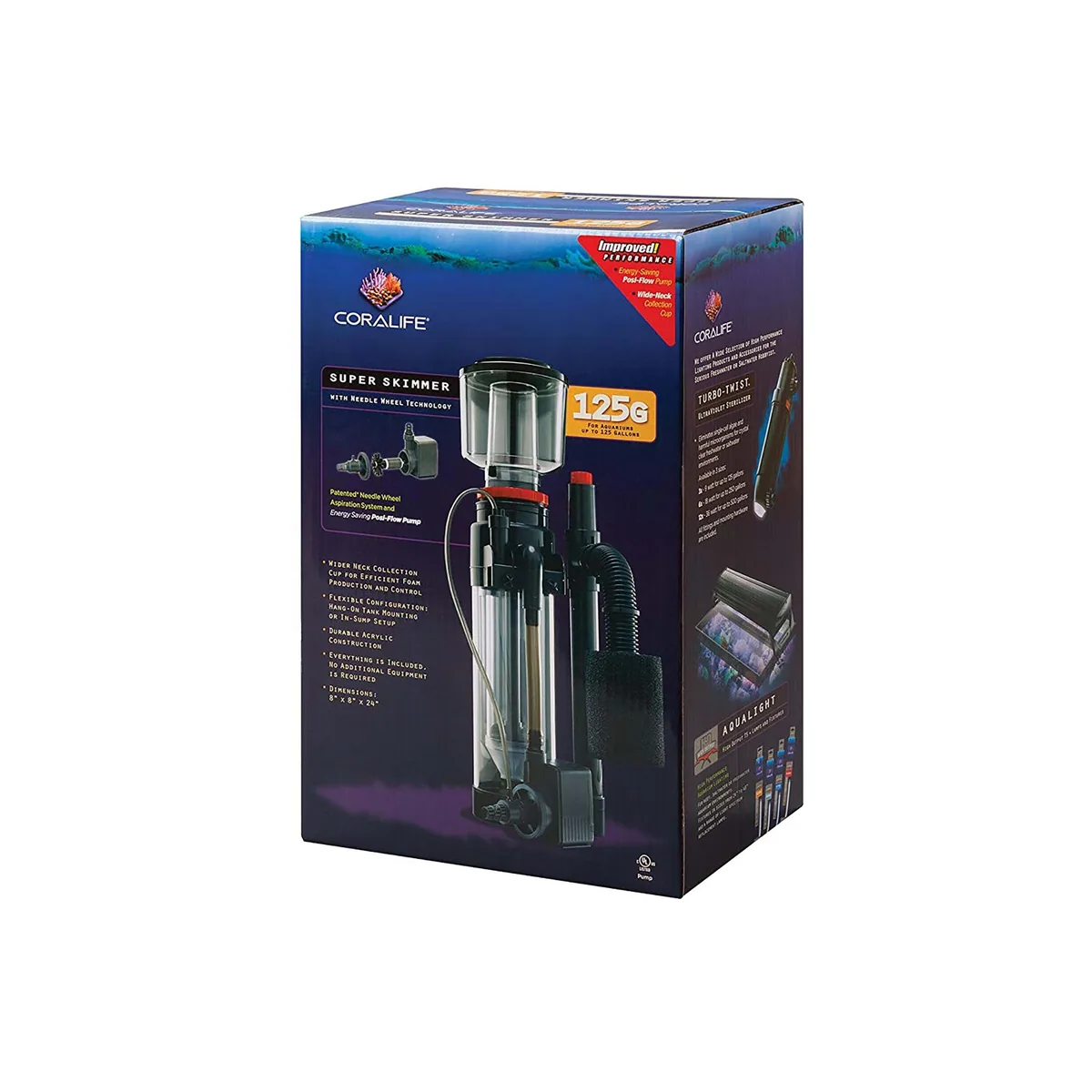 Use this as a format check, not an automatic winner. Depending on the version, you may be comparing a sump arrangement with a hang-on arrangement. That changes cabinet use, cup access, and noise. Confirm the current manual and included mount before treating it as a fit. Pros: useful for comparing installation styles; visible cup; familiar product line. Cons: shortened retailer names can hide important version differences.
IceCap K1-130
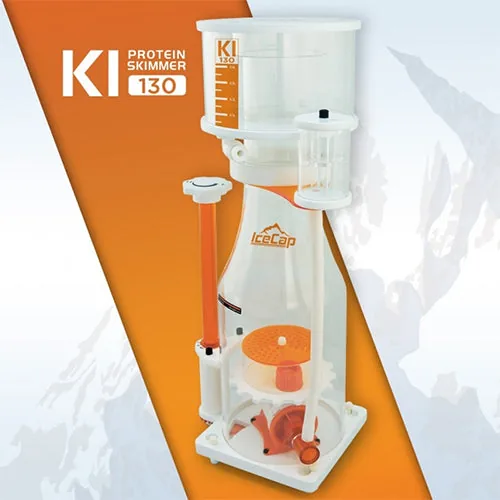 The K1-130 makes sense when you want adjustment headroom and have measured a roomy sump bay. Keep filter socks, probes, dosing lines, and the return section in mind. A body can fit its rectangle and still block the cup or pump. Pros: comparison option for a changing bioload; in-sump layout; useful when capacity matters. Cons: footprint and service access can outweigh capacity in a crowded cabinet.
Seachem DOC Skimmer
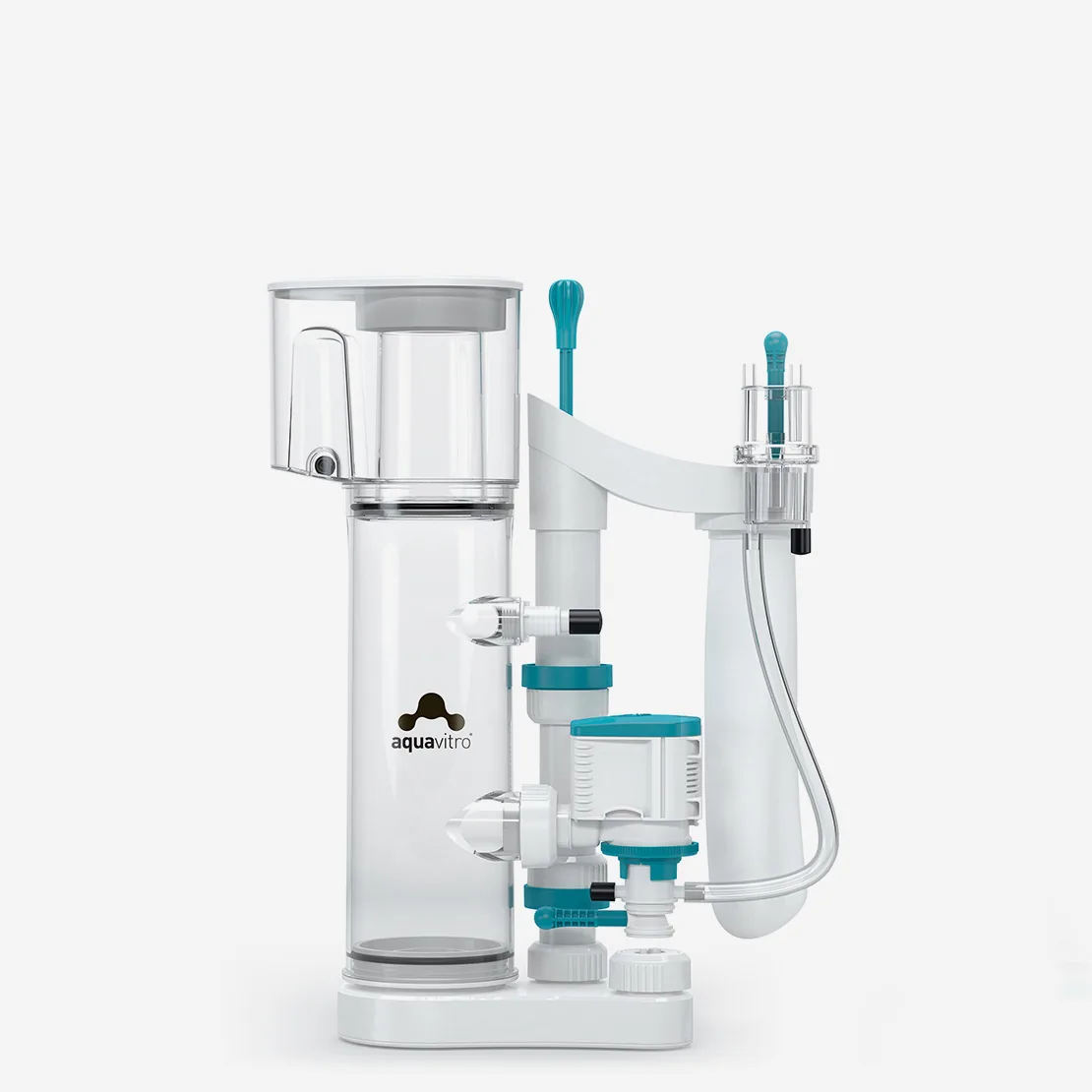 This is the compact comparison for a reefer who cannot spare a large body. Read the current documentation because the version determines how it mounts and where it can sit. Small equipment still needs stable depth, clear cup access, and an air path free of salt creep. Pros: useful in a tight cabinet; compact alternative; easy to keep on a shortlist. Cons: verify capacity and mounting before using it on a heavily stocked reef.
How to choose for a 75-gallon reef
Measure the sump section’s length, width, operating depth, baffle height, and distance to the cabinet top. Then measure the cup removal path. A skimmer that cannot be lifted out for cleaning is a bad long-term fit. Record nearby plumbing and the return pump’s location too.
Match the model to the bioload you actually plan to keep. Fish count, feeding, coral sensitivity, and water-change habits affect the useful range. Heavy feeding can justify more capacity. A lightly stocked reef may be easier with a model that can be dialed back without overflowing. Manufacturer ratings are a starting point, not a promise for every biotope.
Stable depth matters for every in-sump model. An auto-top-off can help, but it does not fix a skimmer placed outside its recommended range. For hang-on models, inspect the rim, drain route, cup access, and whether the body blocks a lid or light. Leave a drip loop on electrical cables and keep salt creep away from connectors.
Plan the first week around small changes. Rinse and assemble the unit as directed, let the foam settle, and alter one setting at a time. Empty the cup before it overflows. Clean the neck and air intake on a schedule. Those tasks are part of the buying decision, especially under a crowded stand.
Frequently asked questions
Is an in-sump skimmer better for a 75-gallon reef?
Not automatically. It is tidy and contained, but it needs the right sump depth and cabinet clearance. A hang-on model can be better when the sump bay is too small.
How much clearance belongs above the cup?
Enough to remove the cup without draining the sump or dismantling plumbing. Use the manual’s dimensions, then check braces, lights, and dosing lines in the actual cabinet.
Can a skimmer be too large?
Yes. Excess capacity can make tuning less forgiving when the organic load is low. Follow the livestock plan rather than chasing the largest label.
Does every 75-gallon reef need a skimmer?
No. A skimmer can support nutrient export, while water changes, biological filtration, and feeding control remain important.
Why does foam change after feeding?
Food and additives can temporarily change surface tension. Follow the manual, avoid chasing short-term changes, and adjust after the water and foam settle.
Recommendation
Measure first. For a typical 75-gallon reef with cabinet room, compare the Reef Octopus Classic 150INT and Bubble Magus Curve 7. If the sump is crowded, investigate compact or hang-on formats and verify every dimension. The best model is the one you can tune, empty, and remove without dismantling the aquarium.
Sources and methodology
We checked manufacturer information from Reef Octopus, Bubble Magus, AquaMaxx, Red Sea, Coralife, IceCap, and Seachem. We compared installation format, footprint, depth sensitivity, cup access, and adjustment needs. Images are category visuals and do not depict exact branded models. No hands-on testing was performed.