
Buying guide
Best aquarium sand for corydoras
Corydoras need a bottom they can sift without scraping their barbels. These fine sands suit that job, with different looks and planting tradeoffs.
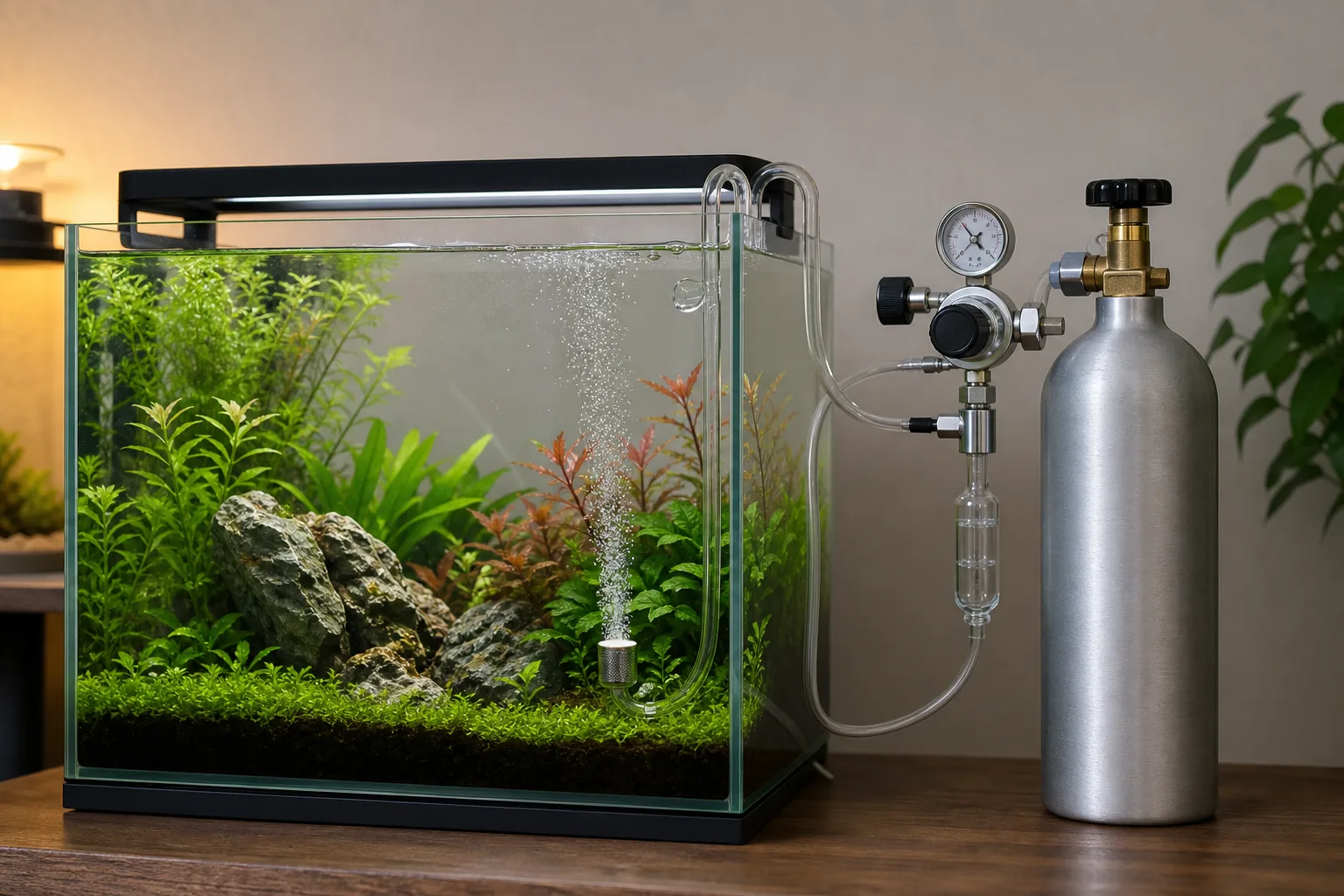
The best sand for corydoras is fine, smooth and easy to keep clean. Corydoras push their mouths into the bottom while foraging, so sharp chips and rough crushed material are poor choices even when the bag calls them aquarium safe. A shallow, even layer also makes routine siphoning easier. This is a research-based guide, not a hands-on test. Check the current grain description and bag size before ordering.
Quick comparison
| Product | Best for | Main drawback |
|---|---|---|
| CaribSea Super Naturals Aquarium Sand | Natural-looking community tanks | Rinse before use |
| CaribSea Super Naturals Torpedo Beach Sand | Pale, open layouts | Light colour shows waste |
| CaribSea Super Naturals Sunset Gold Sand | Warm natural colour | Confirm the current variant |
| AquaNatural Diamond Black Sand | Dark contrast | Dust needs rinsing |
| Imagitarium Black Aquarium Sand | Budget dark setups | Check the bag’s grain feel |
| AquaNatural Colorado Sand | River-style aquascapes | Availability varies |
| Seachem Flourite Black Sand | Sand-like planted beds | It is fractured clay gravel |
Our picks
CaribSea Super Naturals Aquarium Sand
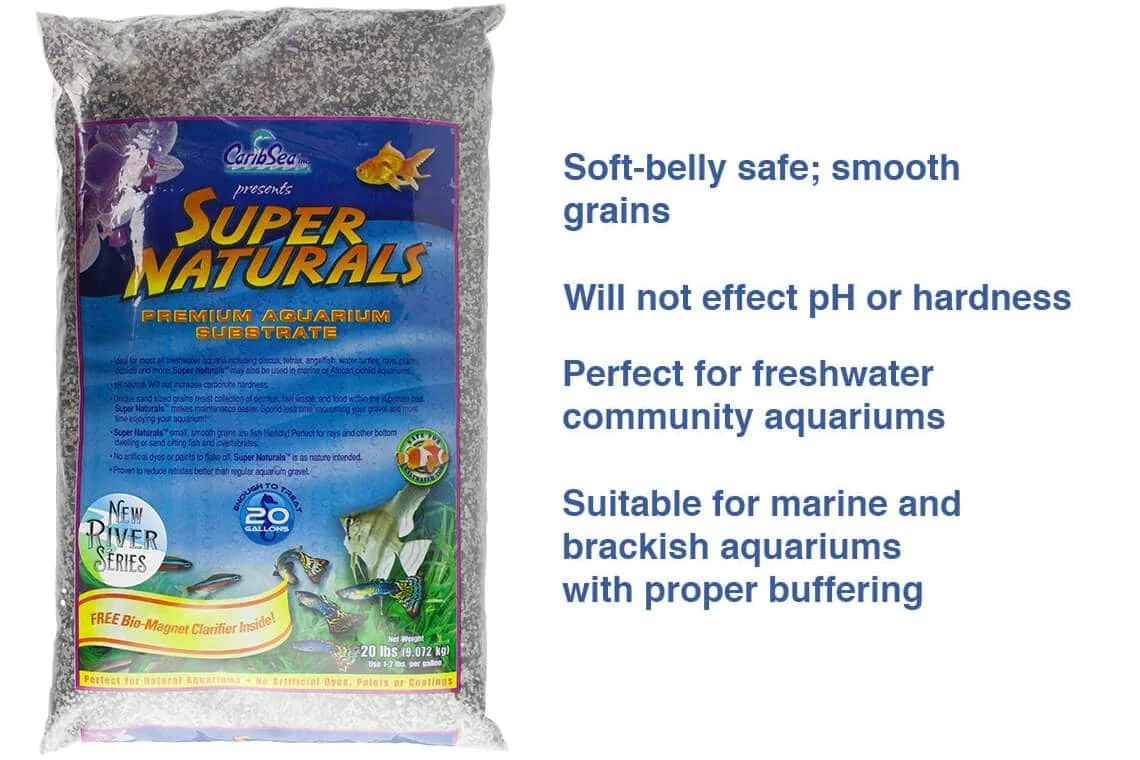 This is the easiest starting point when the brief is smooth sand for bottom-feeding fish. The Super Naturals range is sold as natural freshwater sand, so it suits a plain corydoras layout without adding a planted-soil routine. Rinse it in a bucket and add water slowly so the fine grains do not billow through the tank. Its pale appearance makes fish easy to watch, but it also makes uneaten food obvious. That is useful if you want the floor to tell you when cleaning is due. Pros: straightforward freshwater use; natural look; simple maintenance. Cons: confirm the exact colour and grain in the current listing.
CaribSea Super Naturals Torpedo Beach Sand
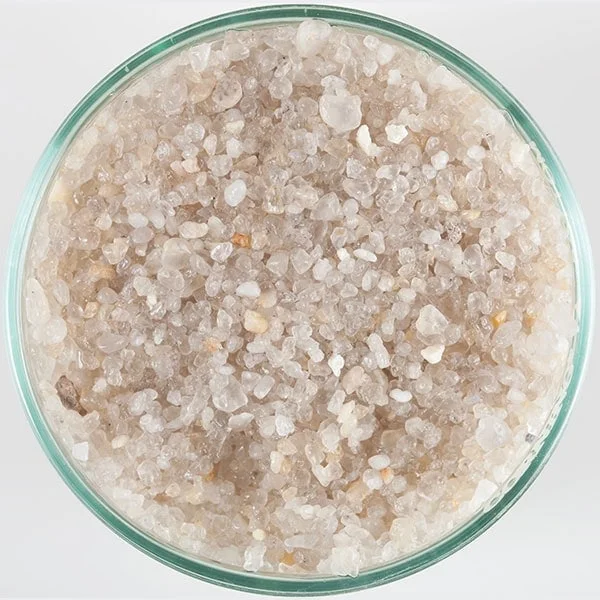 Torpedo Beach fits a bright, uncluttered tank where you want corydoras to stand out. Keep the layer modest and spread it evenly rather than building a deep mound. Fine sand can compact when piled high, and a dense bed is harder to reach with a siphon. Pale sand rewards tidy feeding, since debris is easy to see. Remove larger fragments while rinsing and run your fingers through the wet sand before it goes in. Pros: bright natural presentation; suitable format for sifting fish; easy visual inspection. Cons: marks and waste show sooner than on a dark bed.
CaribSea Super Naturals Sunset Gold Sand
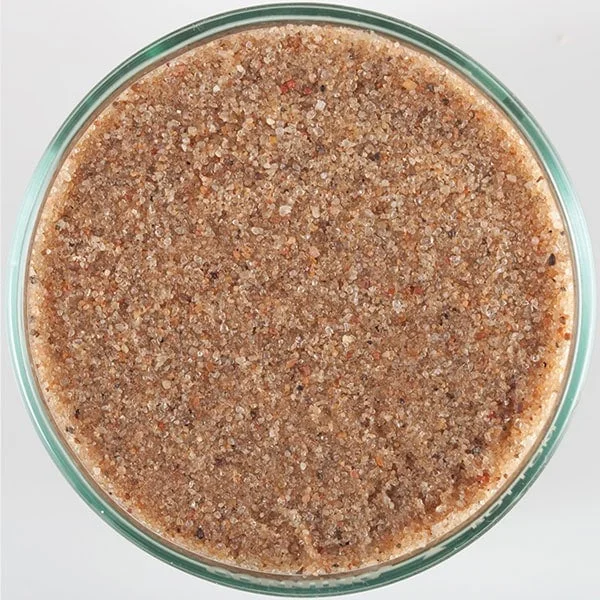 Sunset Gold gives a corydoras tank a warmer riverbed look without switching to coarse gravel. It belongs on the shortlist when colour matters but barbel-friendly texture still comes first. Sand does not need to be perfectly spotless between water changes. A light pass with a siphon held just above the surface lifts loose waste while leaving the bed in place. If you plant heavily, anchor roots before adding the fish and keep a clear feeding area at the front. Pros: warm appearance; fine-sand format; easy to pair with plants and wood. Cons: product colours and variants can change, so check the current package.
AquaNatural Diamond Black Sand
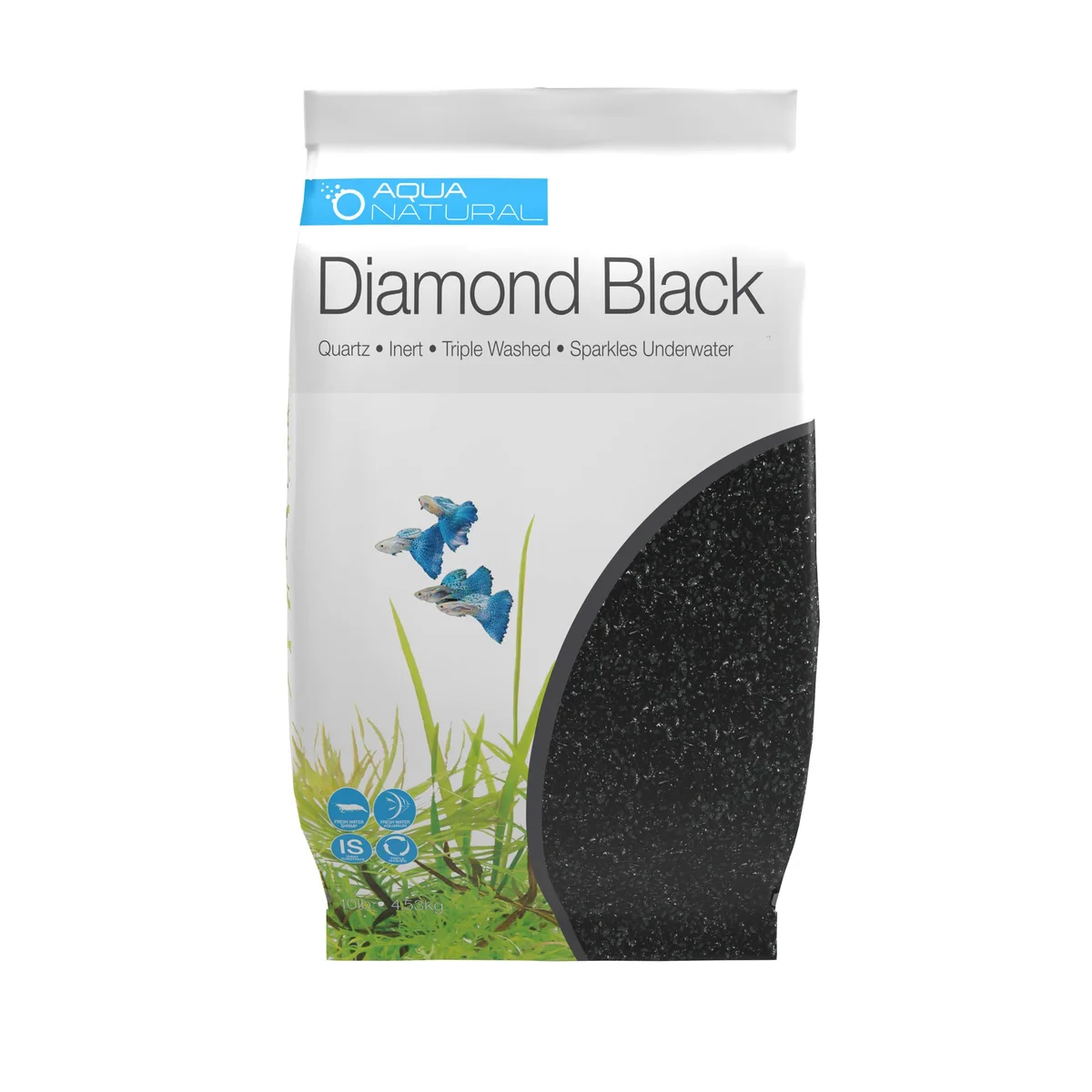 Dark sand is useful when you want the copper and silver tones of corydoras to read clearly against the floor. AquaNatural’s Diamond Black listing is worth considering for that contrast, provided the bag you receive feels smooth rather than gritty. Rinse until the water is reasonably clear, then add it in a thin layer. Dark beds hide some food and mulm, so use the siphon by feel and watch where the fish forage. Pros: strong contrast; understated colour; works with a simple aquascape. Cons: the exact listing and grain finish should be checked before purchase.
Imagitarium Black Aquarium Sand
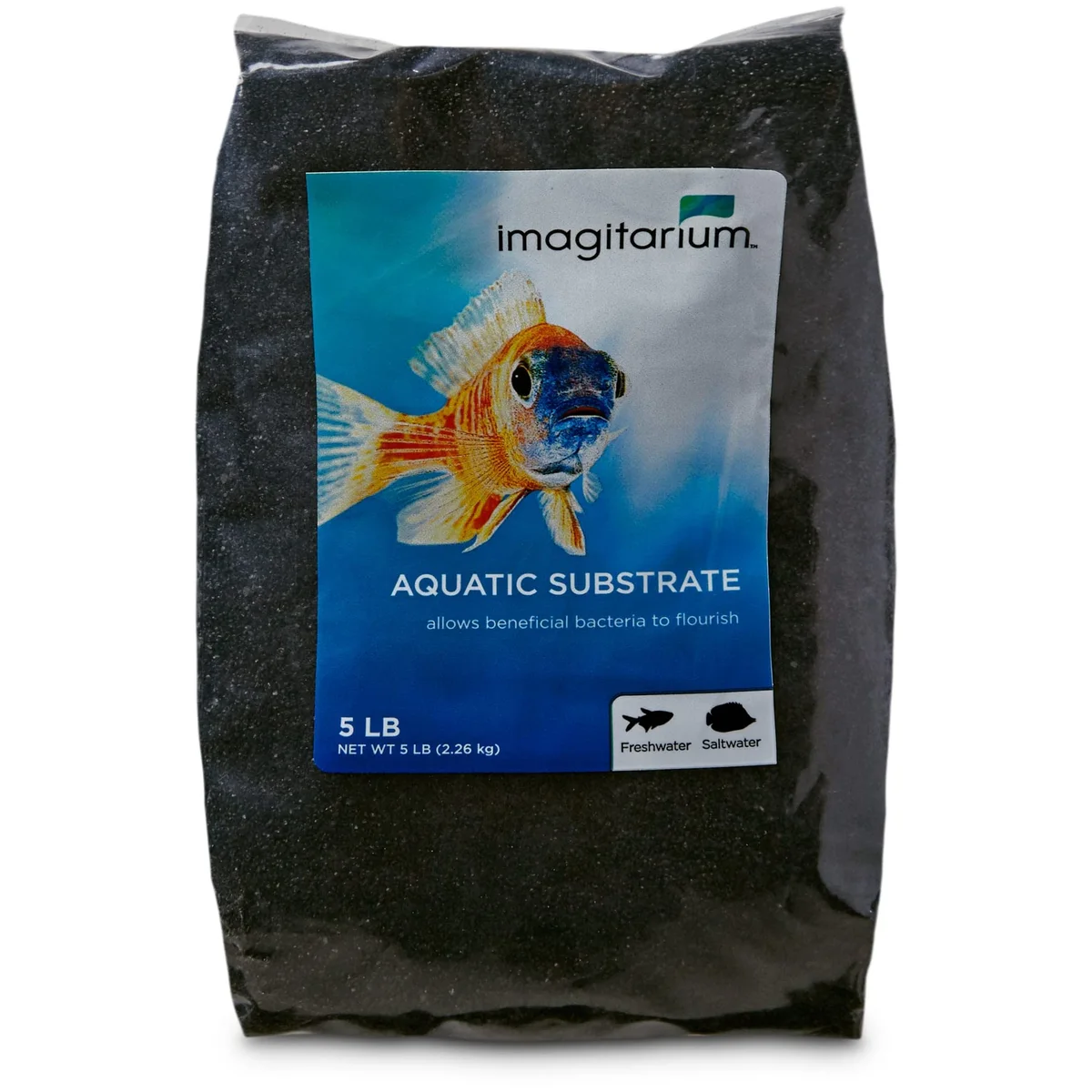 Imagitarium Black Aquarium Sand is a practical option for a dark-bottom community aquarium. Treat the product name as a starting point, not proof of a smooth grain. Inspect a handful under good light and discard pieces with sharp edges before it enters the tank. Black sand makes a pale corydoras pattern pop, but waste can disappear into it, so keep the siphon close to the surface and use feeding portions you can track. Pros: dark visual background; accessible retail option; works in planted or bare layouts. Cons: current grain and colour should be confirmed on the retailer page.
AquaNatural Colorado Sand
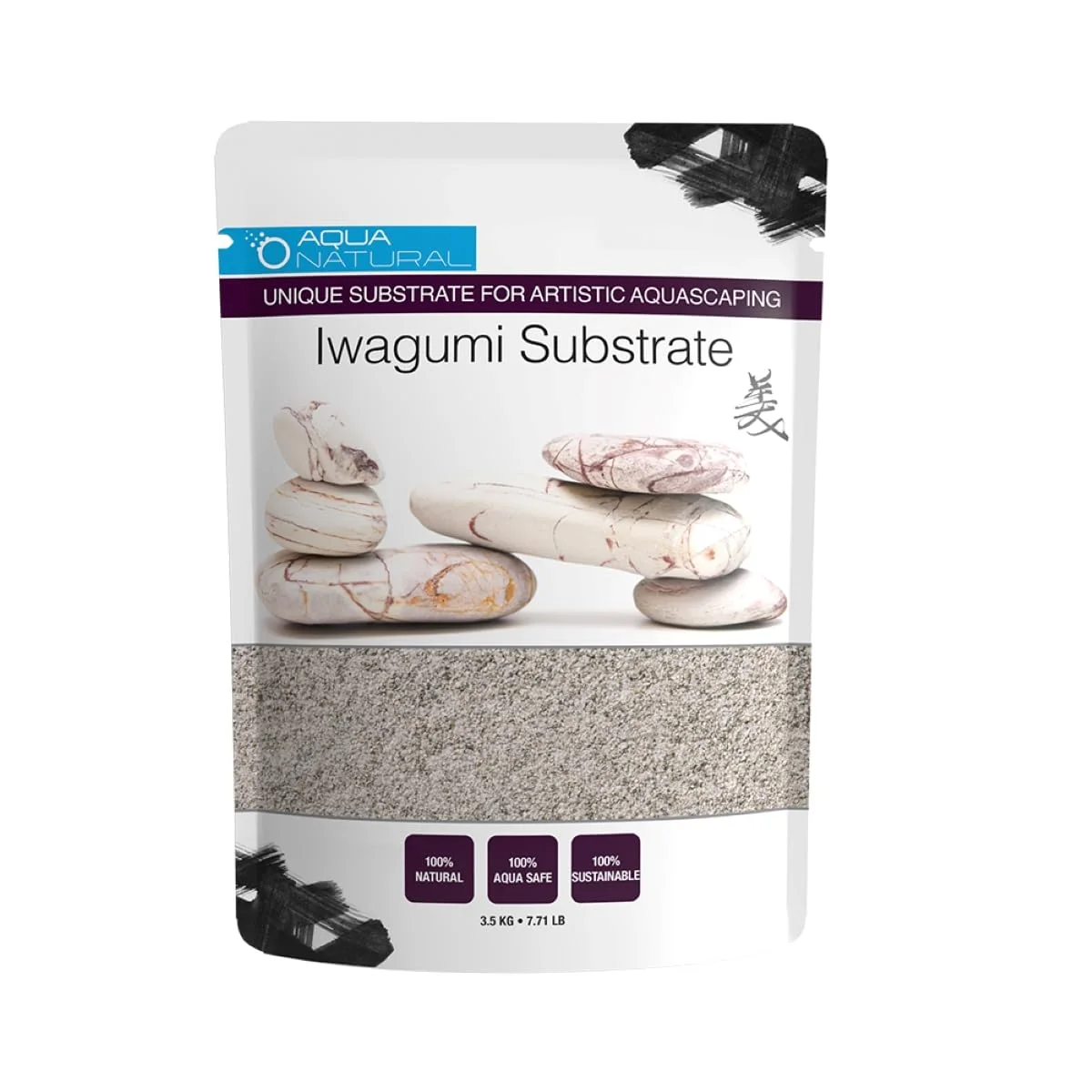 Colorado Sand suits an aquascape that wants a riverbank colour rather than stark white or solid black. Use it for a broad, shallow foreground where corydoras can forage. The important check is texture. Read the current product description and look at the grains in the retailer photographs, then inspect the delivered material before adding livestock. A sand foreground can coexist with rooted plants, but heavy root feeders may need a separate planting zone or root tabs. Pros: natural earth tone; useful for foregrounds; keeps the corydoras focus. Cons: stock and naming vary between retailers.
Seachem Flourite Black Sand
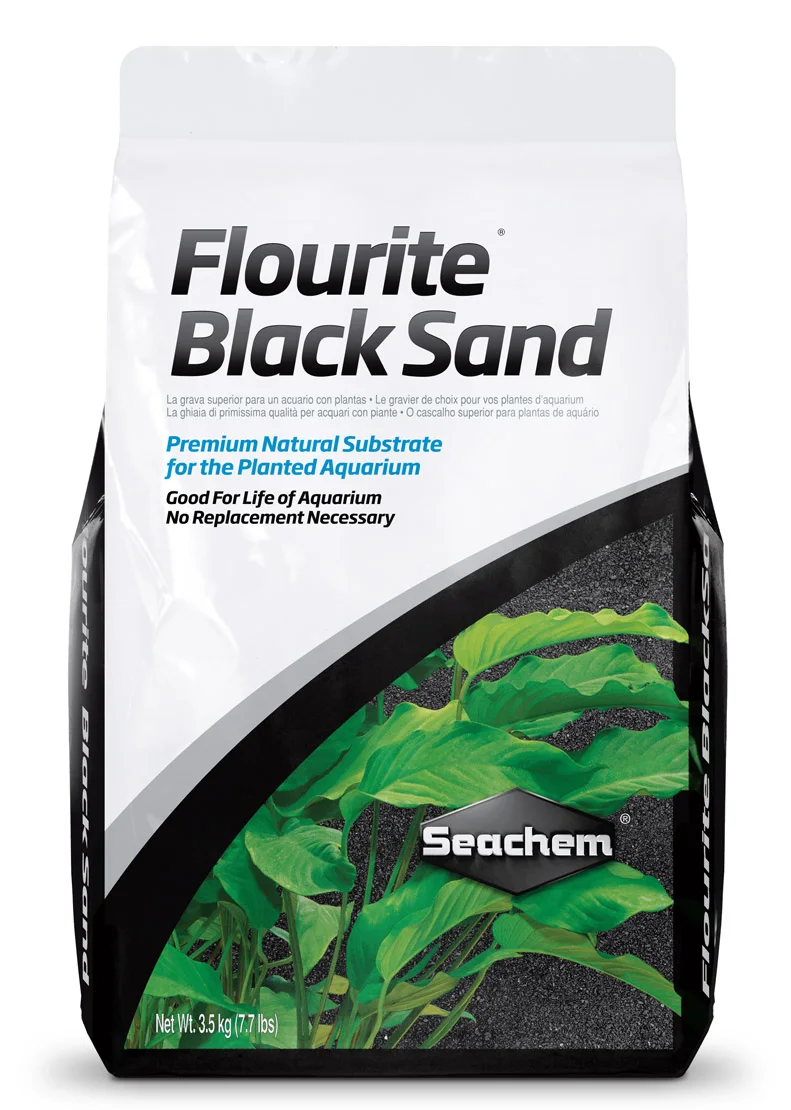 This is the outlier here. Seachem describes Flourite Black Sand as a stable, porous clay gravel for planted aquariums, not as ordinary beach-like sand. It can make sense when rooted plants are the priority and you still want a fine-looking dark bed. For a corydoras-only setup, I would choose one of the smoother natural sands first. If you use Flourite, follow Seachem’s preparation directions, rinse away transit dust and watch how the fish forage before committing to a deep layer. Pros: planted-tank focus; dark colour; does not require routine replacement. Cons: fractured clay gravel is a different feel from soft natural sand.
How to choose sand for corydoras
Run a clean, wet pinch of the candidate between your fingers. You are looking for a smooth feel, not a sharp crunch. A product marketed as sand can still contain fragments, and a product named black sand can be a fractured mineral or clay gravel. If the grain feels abrasive, choose another bag.
Keep the bed shallow enough to reach with your siphon. Corydoras will move sand while they forage, so a perfectly level surface will not stay perfect. That is fine. Clear loose debris from the open areas and leave the fish room to sift. During a water change, hover the siphon above the grains instead of burying it. A deep plunge removes sand and can collapse a planted foreground.
Fine sand supports a clean look but can settle around plant roots. Plant first, add a little sand at a time, and leave open space for maintenance. Heavy root feeders may need their own planting pockets. Sand itself does not replace filtration, water changes or a sensible feeding schedule.
Frequently asked questions
Is fine sand safe for corydoras?
Fine, smooth aquarium sand is commonly chosen for corydoras because it lets them sift naturally. Inspect the grains for sharp pieces and keep the bed clean.
Is black sand better than white sand?
No. Colour is a viewing choice. Dark sand can hide waste, while pale sand makes debris easier to spot. Texture and maintenance matter more.
Can corydoras live on gravel?
They can live on rounded gravel, but sharp or jagged pieces are a poor match for fish that forage with their mouths in the bottom. Smooth sand is the safer default for this guide’s use case.
How do I clean aquarium sand?
Rinse new inert sand before adding it. During water changes, hover the siphon over the surface and remove loose waste without pulling the bed into the hose.
Can I plant in corydoras sand?
Yes. Use a shallow bed, anchor plants carefully and leave open space for cleaning. Root feeders may need a separate nutrient plan.
Recommendation
Start with CaribSea Super Naturals when you want the simplest corydoras-first setup. Pick a dark AquaNatural or Imagitarium option if contrast matters, and use Flourite Black Sand only when its planted-bed benefits outweigh its more gravel-like feel.
Sources and methodology
We reviewed the freshwater substrate information from CaribSea, Seachem, AquaNatural, and Imagitarium. We compared stated material, likely maintenance, visual contrast and fit for bottom-sifting corydoras. No hands-on testing was performed. Check the current product page for the exact variant before ordering.