
Buying guide
Best gravel vacuum for sand substrate
For sand, hold the intake above the bed and slow the flow before it carries grains away.
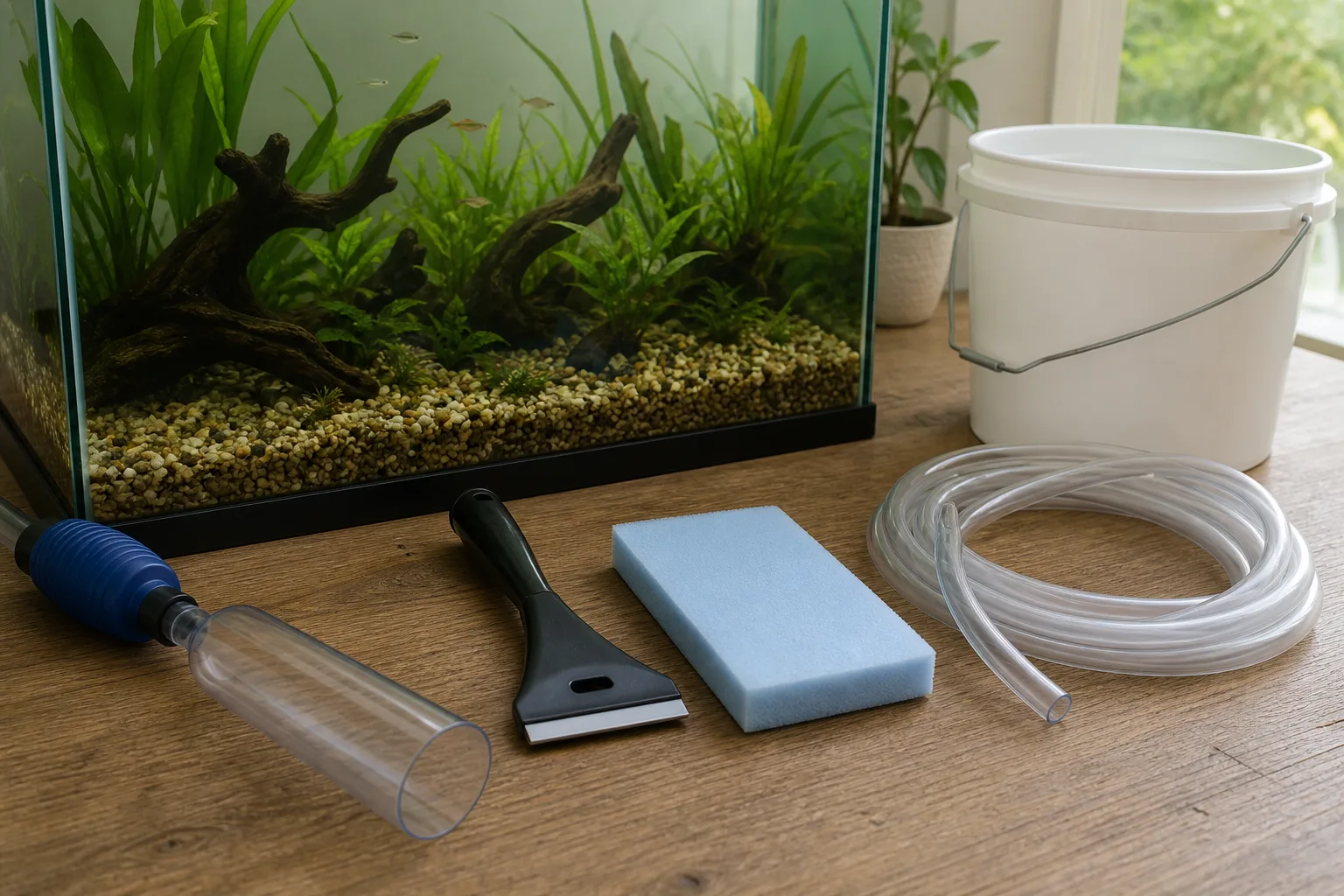
Quick comparison
| Product | Best for | Main drawback |
|---|---|---|
| Python Pro-Clean Gravel Washer | Long hose work | Needs drain or bucket |
| Aqueon Siphon Vacuum | Small sand beds | Tube can clog |
| Marina Easy Clean Gravel Cleaner | Manual control | Needs siphon setup |
| EHEIM Quick Vac Pro | Spot removal | Not a water change |
| hygger Aquarium Gravel Cleaner | Adjustable flow | Kits vary |
| NICREW Electric Gravel Cleaner | Powered spot work | Needs power care |
| Lee’s Ultra GravelVac | Self-starting manual siphoning | Flow still needs care over sand |
This research-based guide is not a hands-on test. Confirm the current kit and hose length before ordering.
Our picks
Python Pro-Clean Gravel Washer
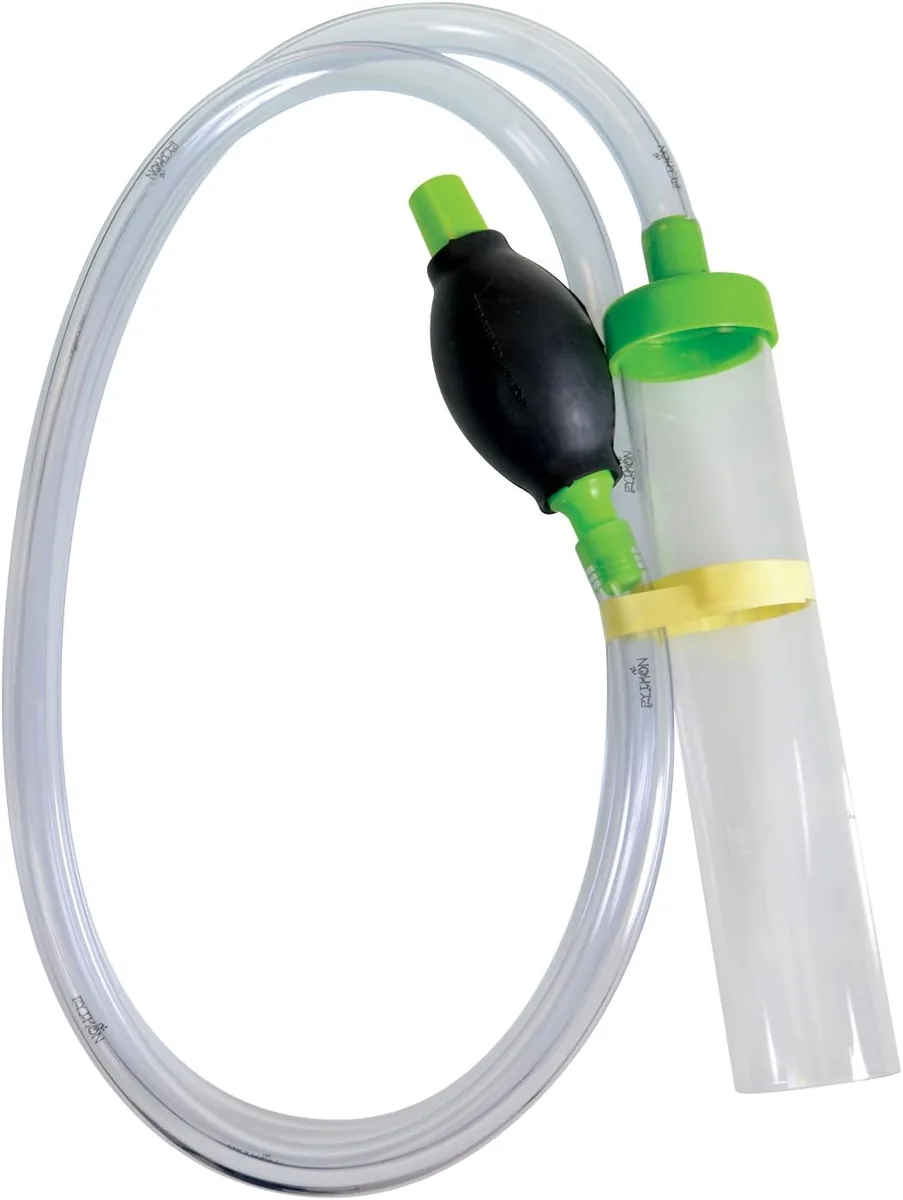 Pick this when a large aquarium needs a hose that reaches a drain. The washer is built around siphon changes, so sand users should hover it instead of pushing it into the bed. That control matters more than maximum suction. It also avoids carrying repeated buckets. You still need a suitable drain, a secure connection, and room to route the hose. Supervise the discharge end throughout the change. Pros: useful hose reach; less lifting. Cons: more setup and storage than a short hand vacuum.
Aqueon Siphon Vacuum
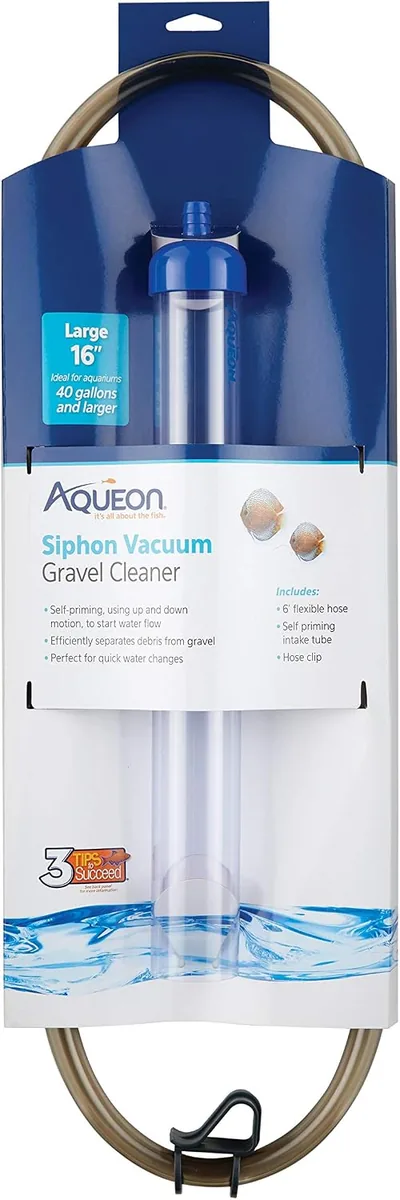 The narrow intake is easy to steer around plants, rocks, and corners. That helps on a small sand bed, where one careless plunge can remove more substrate than intended. Keep flow slow and watch the clear line for grains. The compact format rinses quickly, but its smaller passage has less tolerance for leaves and clumps. Net larger debris first. Pros: precise placement; simple storage. Cons: the intake can clog with coarse waste.
Marina Easy Clean Gravel Cleaner
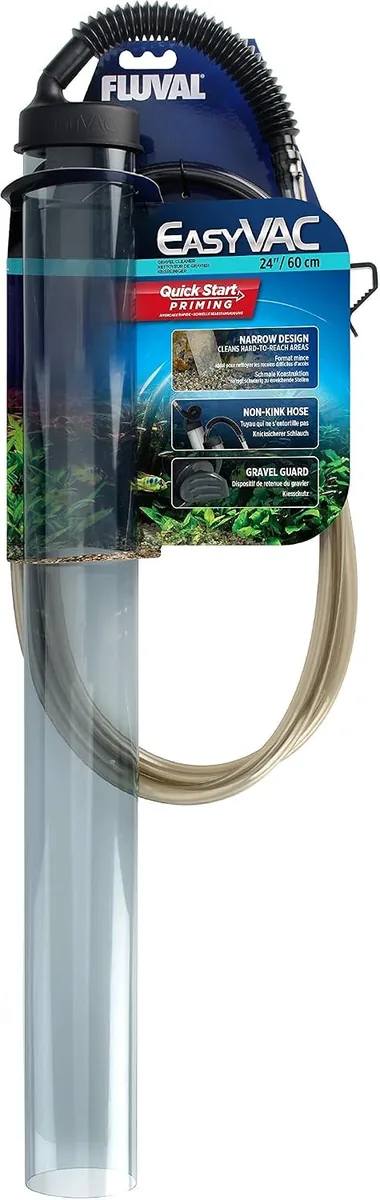 This manual format suits keepers who want immediate control without a motor. Stop as soon as sand rises, pinch the hose, and work in short passes. You must prime the siphon and secure the discharge end, but there is no battery or cable to manage. It is a practical choice for routine partial changes when the hose can reach a bucket. Pros: direct flow feedback; no charging. Cons: the siphon needs hands-on management.
EHEIM Quick Vac Pro
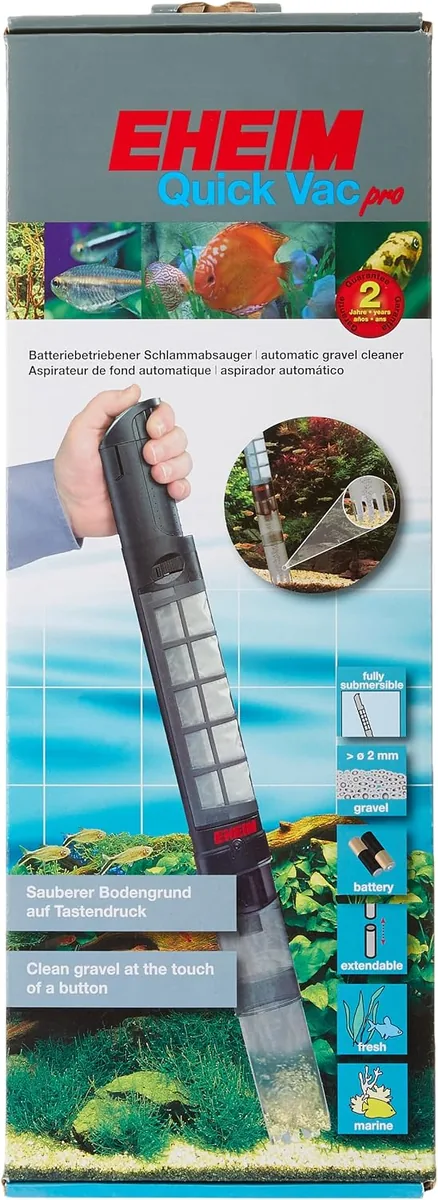 Use this style for isolated waste on an otherwise tidy bed. Collection lets you remove a dirty patch without immediately draining a bucket. Hold the intake above sand and treat it as a spot tool, not a substitute for water changes. Empty and rinse the chamber after use, and keep the intake away from livestock. It is especially handy after feeding, when one visible patch needs attention. Pros: convenient spot cleaning; no drain hose. Cons: it does not export dissolved waste.
hygger Aquarium Gravel Cleaner
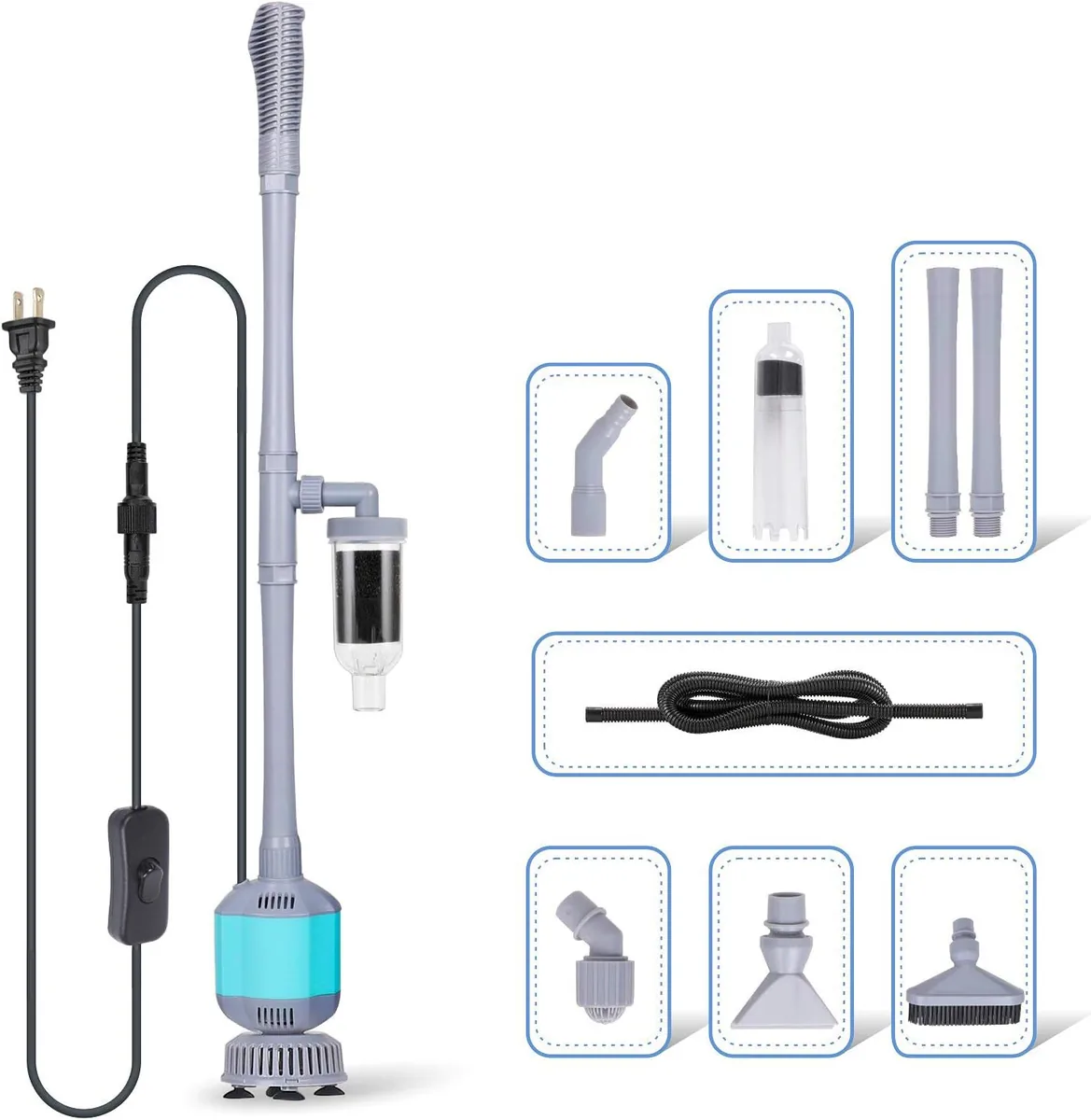 The appeal here is adjustability. Fine sand rarely rewards a fixed aggressive flow, so a controllable setting makes the first pass gentler. Check the exact listing for heads and connectors because bundles differ. Stop if the pump carries grains into the collection path. A slower pass also gives suspended waste time to separate from heavier grains. Keep the intake clear of stems and loose roots. Pros: adaptable flow; useful around décor. Cons: compatibility depends on the supplied kit.
NICREW Electric Gravel Cleaner
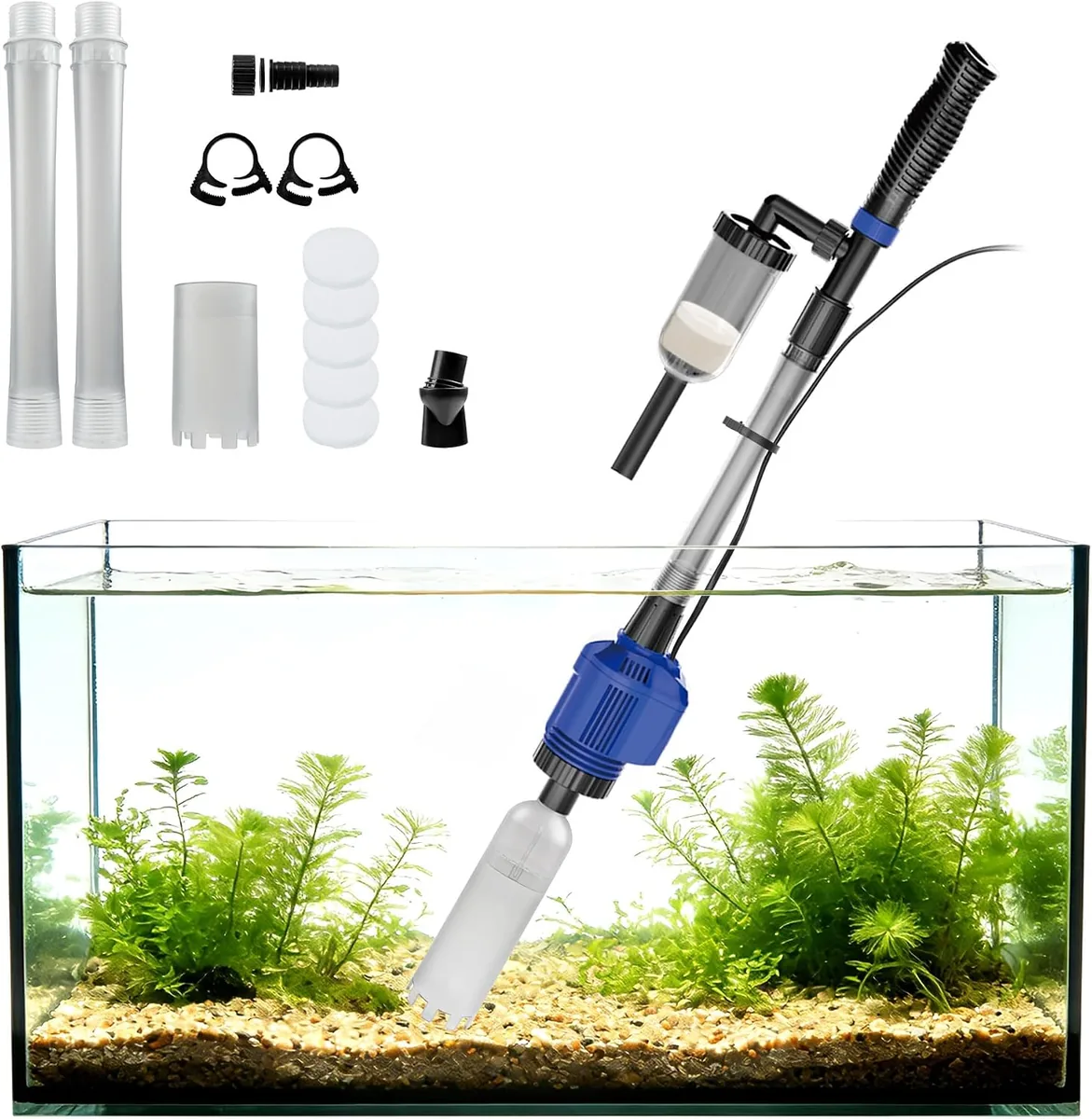 An electric cleaner is useful when starting a siphon is the chore you want to avoid. Use the lowest useful flow and keep the motor path free of grains. Choose it only if the collection and rinse routine suits you, since powered units have more parts to clean. Keep plugs and cables dry. Check the impeller after a sandy session instead of assuming a rinse removed every grain. Pros: quick starts; useful for surface debris. Cons: adds power safety and maintenance.
Lee’s Ultra GravelVac
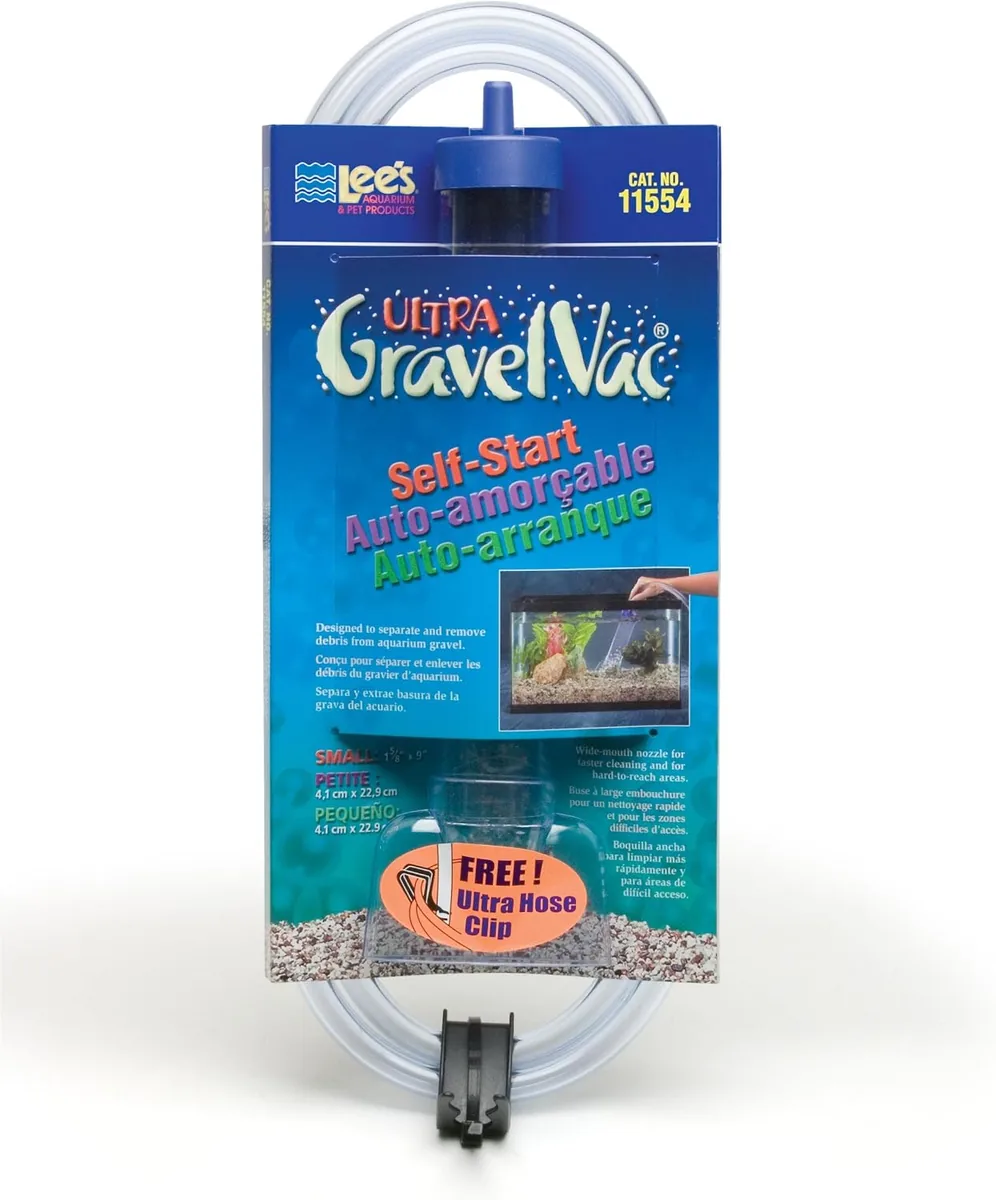 Lee’s Ultra GravelVac is a manual route for a keeper willing to control flow over sand. Inspect the self-start nozzle, joints, and hose before filling a bucket. A shallow hover can work well on fine beds. Check the exact size and instructions, and store the hose loose enough that a crease does not become a hidden leak. Pros: self-starting nozzle; simple construction. Cons: flow and tubing still need close attention.
Buying criteria for sand
Flow control is the deciding feature. A squeeze bulb, hose clip, or adjustable pump lets you react when grains rise. Clear tubing shows whether the vacuum is carrying waste or sand. Clean only part of the bed at each change. Hover above the surface, lift the intake when grains travel upward, and keep away from newly planted roots. Net leaves first. Rinse with plain water, inspect joints for trapped grains, and never use soap.
FAQs
Should a gravel vacuum touch sand?
Usually no. Hold the opening just above the bed and let loose waste rise. Pressing a bell into fine sand removes substrate quickly.
How do I stop sand entering the hose?
Reduce flow, lift the intake, and watch a clear hose. Remove larger debris with a net first.
Can I deep-clean all of the sand at once?
Rotate sections during partial changes. There is rarely a reason to disturb the whole bed in one session.
Is an electric vacuum better for sand?
Not automatically. Low controllable flow and careful height matter more than the power source.
Recommendation
Aqueon Siphon Vacuum is the easiest manual starting point for most sand beds. Choose Python Pro-Clean when hose reach matters, or EHEIM Quick Vac Pro for isolated waste.
Sources and methodology
We checked official information from Python Products, Aqueon, Marina, EHEIM, NICREW, and hygger. We compared manual control, collection style, hose setup, and sand handling. No hands-on testing was performed.