
Buying guide
Best aquarium filter for fish fry
A fine-pore sponge filter is the safest starting point for fry because it protects small fish from a strong intake while growing useful bacteria.
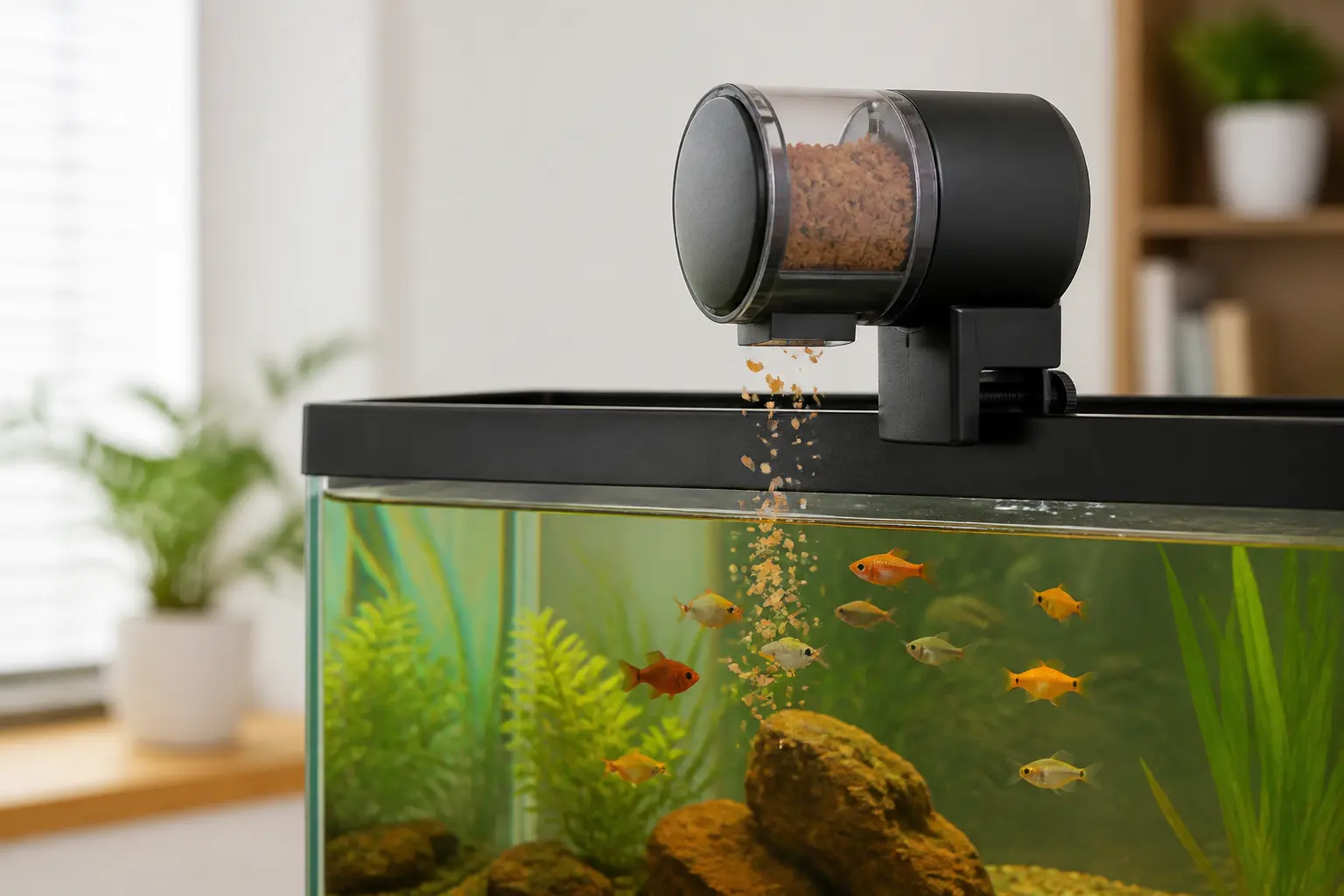
Quick comparison
| Product | Best for | Main drawback |
|---|---|---|
| AQUANEAT Double Sponge Filter | Grow-out tanks | Needs an air pump |
| Pawfly Aquarium Sponge Filter | Small fry batches | Limited surface area |
| XY-2831 Sponge Filter | Simple nursery tanks | Hardware varies |
| Huji Double Sponge Filter | Larger broods | Occupies space |
| Lustar Hydro Sponge Filter | Compact breeders | Replacement availability |
| Aquarium Co-Op Nano Sponge Filter | Tiny fry tanks | Small capacity |
| Tetra Bio-Filter 40 | High-waste grow-outs | Too large for jars |
This is a research-based guide, not a hands-on test. Fry are vulnerable to suction and unstable water, so match the filter to the nursery and check the tank daily.
Our picks
AQUANEAT Double Sponge Filter
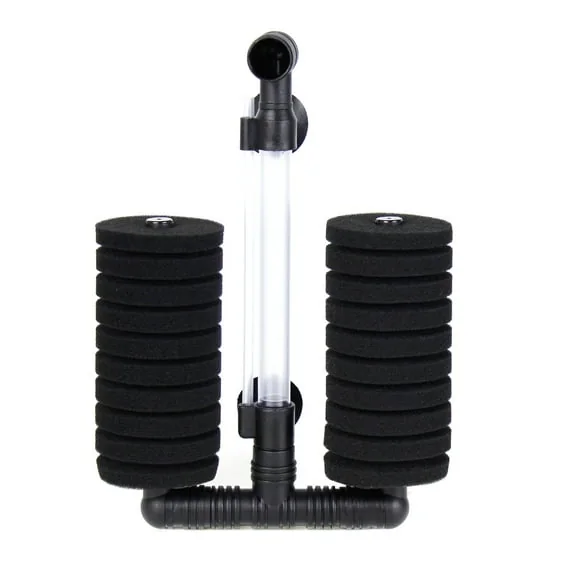 Two sponges let breeders clean one side while leaving the other seeded. Keep airflow low and use a fine sponge so newly free-swimming fry cannot enter. It is a sensible default for a dedicated grow-out aquarium. Pros: protected intake; washable media; useful reserve. Cons: visible and air-pump dependent.
Pawfly Aquarium Sponge Filter
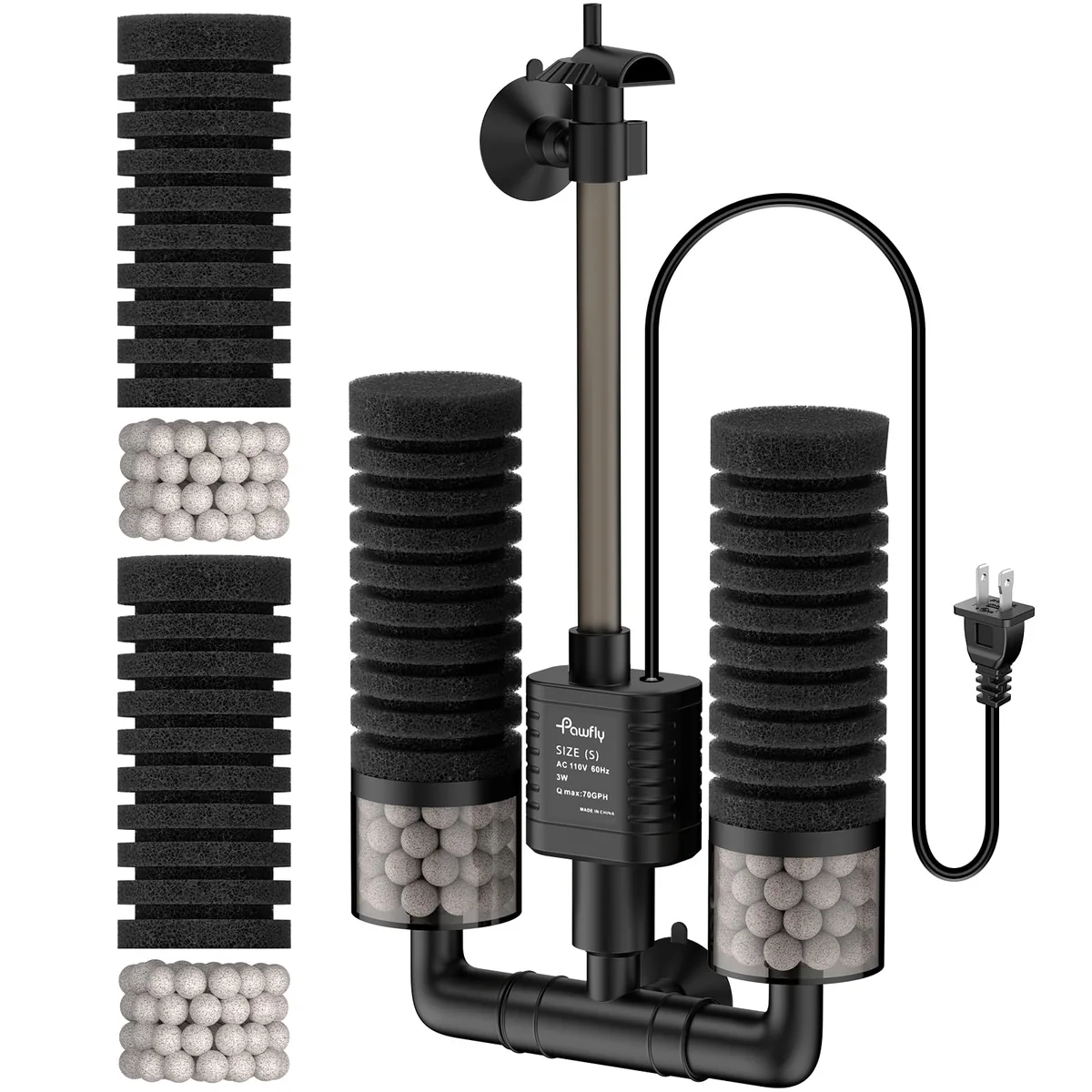 Use the compact body for a small brood and shallow aquarium. Its smaller sponge needs more frequent inspection when powdered food clouds the water. Pros: small; gentle. Cons: clogs sooner under heavy feeding.
XY-2831 Sponge Filter
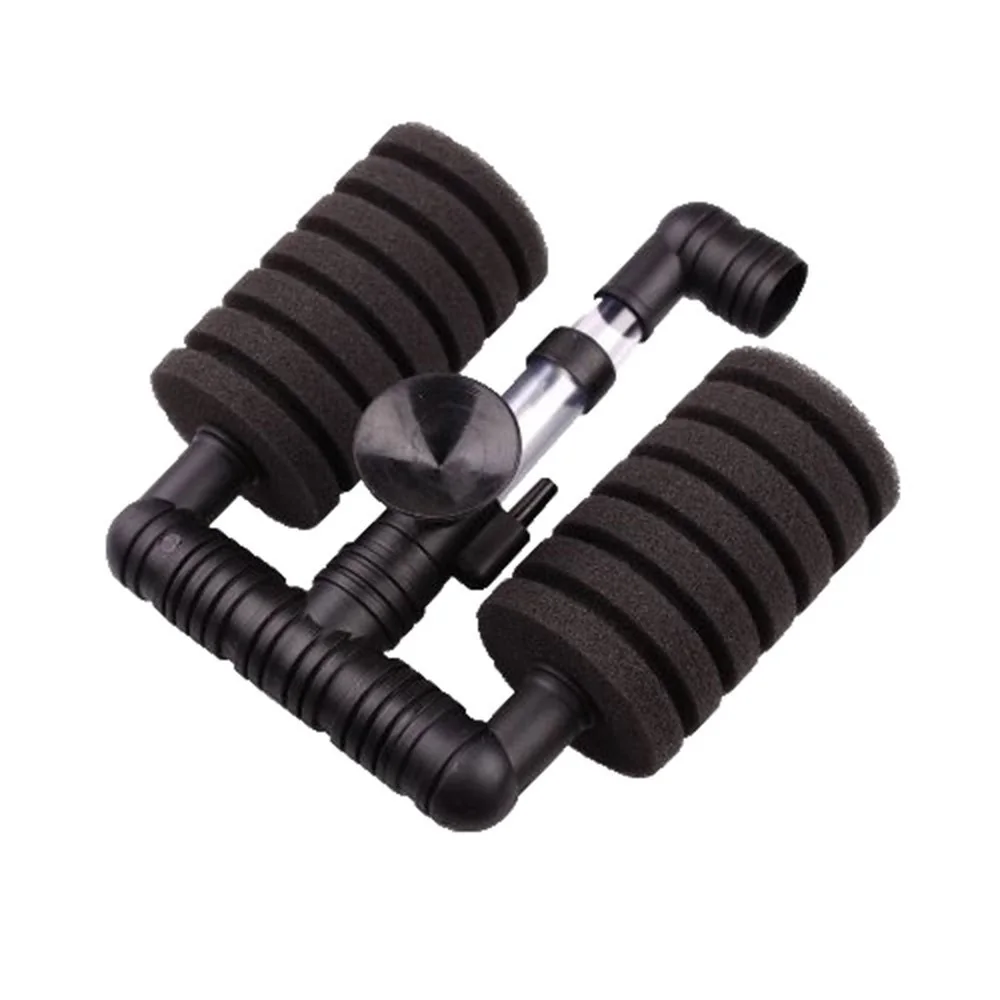 This basic filter works when you want an uncomplicated nursery setup. Verify the sponge pore size and secure the airline. Pros: simple; affordable. Cons: limited adjustability.
Huji Double Sponge Filter
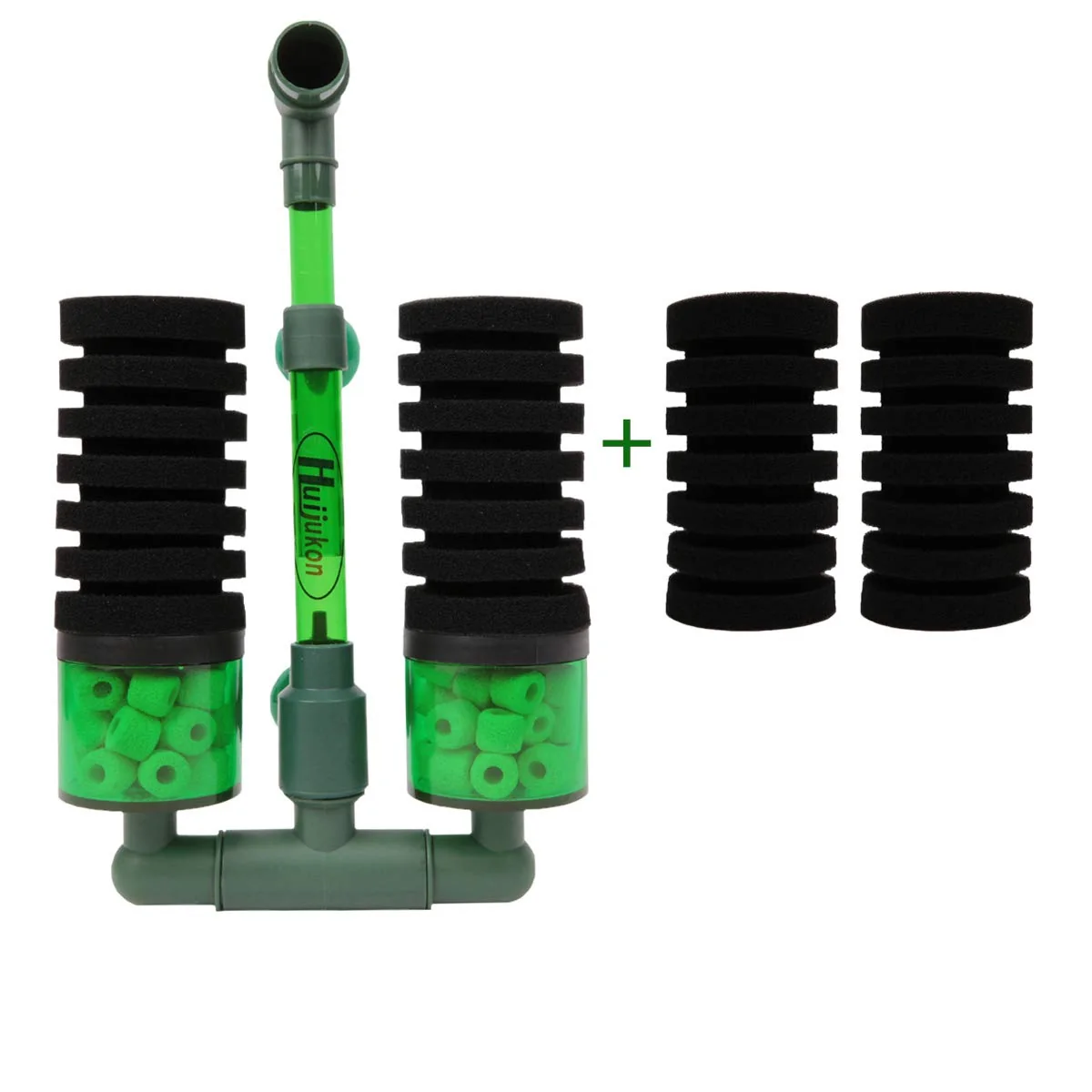 Extra sponge area suits a crowded grow-out, where feeding creates a heavy biological load. Keep the bubbles calm so fry can feed in the water column. Pros: capacity; split cleaning. Cons: bulky in small nurseries.
Lustar Hydro Sponge Filter
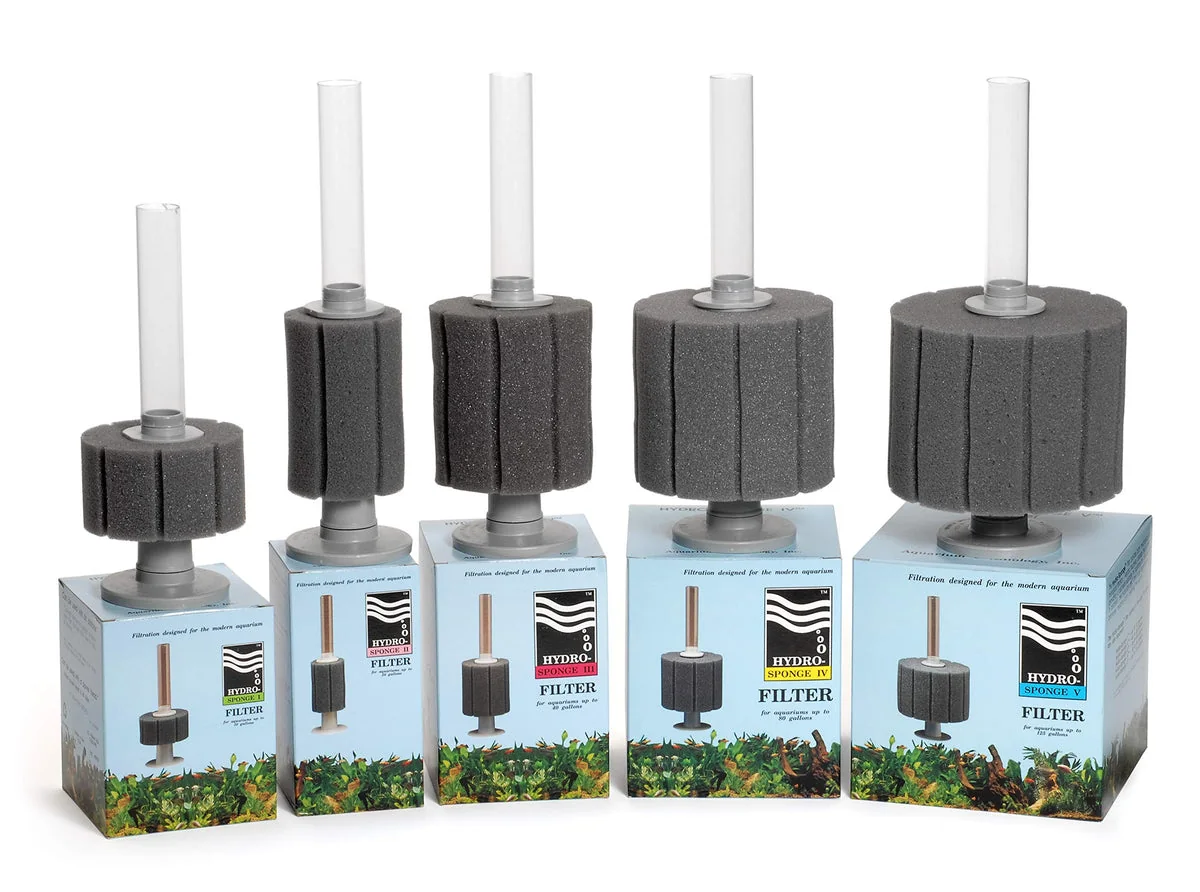 Its compact footprint leaves more room for fry to forage. Plan replacement media before committing to a long breeding project. Pros: space-saving; mild current. Cons: small media reserve.
Aquarium Co-Op Nano Sponge Filter
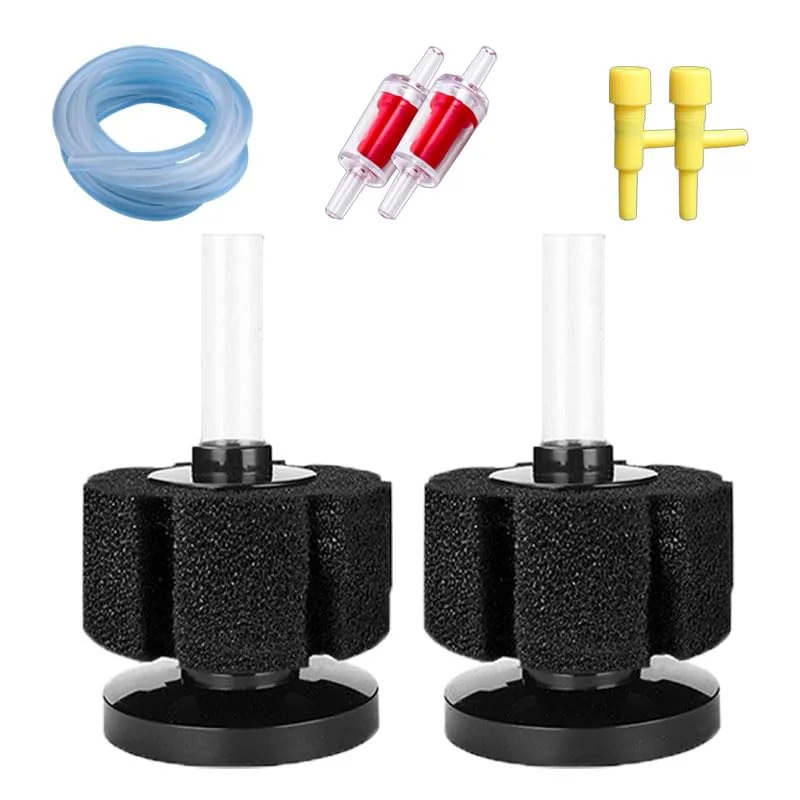 Pick this for a low-volume nursery with a light bioload. Watch flow closely after feeding, because fine food can reduce lift quickly. Pros: discreet; gentle. Cons: frequent checks.
Tetra Bio-Filter 40
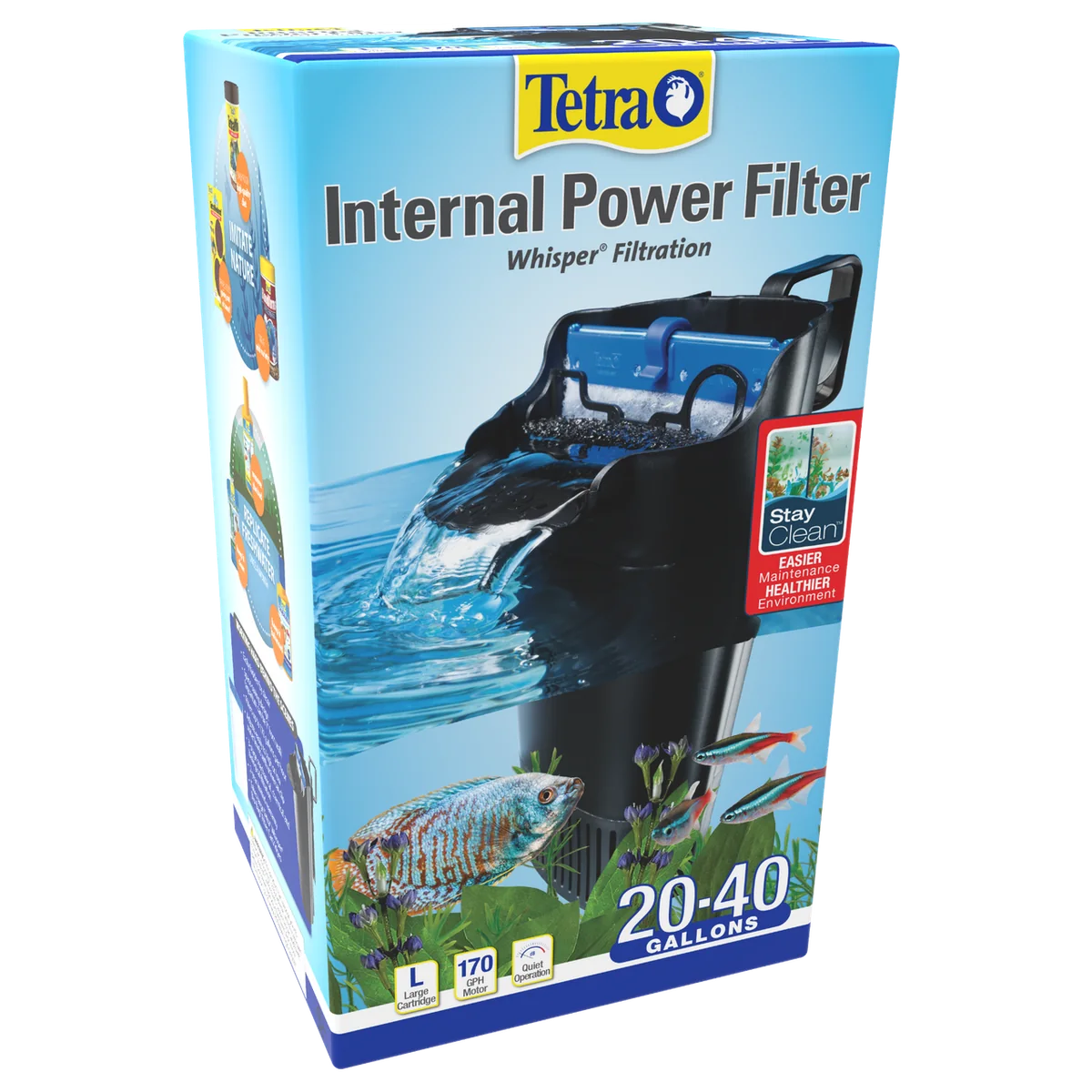 This larger filter is best reserved for a roomy grow-out with many juveniles. It can crowd a small tank and should run through an airline valve. Pros: biological headroom. Cons: oversized for a small brood.
Buying criteria
Fry need protected intakes, fine pores, and stable circulation. Air control is more useful than headline flow. Seed the sponge before adding fry when possible. Rinse it in removed tank water, never chlorinated tap water. Since breeders feed often, inspect the sponge and test ammonia and nitrite more often than you would in a mature display. A backup air pump or battery air source is worthwhile during outages.
FAQs
Can a hang-on-back filter be used with fry?
Only with a secure, fine prefilter and carefully reduced flow. A sponge filter is simpler and leaves fewer gaps for tiny fish.
How fast should a fry filter run?
Use the lowest setting that keeps water moving and oxygenated. Fry should not be swept toward the sponge.
Do sponge filters remove waste?
They catch suspended particles and host bacteria, but you still need water changes and careful feeding.
Should I replace the sponge when it looks dirty?
No. Squeeze it in removed aquarium water. Replace only when it physically breaks down, and keep some seeded media.
Recommendation
The AQUANEAT double sponge is the most flexible pick for a fry grow-out. Use the nano option for a small brood and the larger Tetra only when the tank and stocking justify it.
Sources and methodology
We used guidance from Aquarium Co-Op, Tetra, and Fluval. We compared intake protection, pore size, airflow control, cleanability, and grow-out capacity. No hands-on testing was performed.
Related guides
- Best sponge filter for a betta tank
- Best aquarium filter for a planted tank
- Best aquarium filter for a 10-gallon tank
Fry-tank setup notes
The filter is only one part of a safe nursery. Put the sponge where it cannot be buried by gravel or pressed against a corner. Bare-bottom grow-out tanks make uneaten food easier to spot, while a thin layer of smooth substrate can provide a more natural surface for some species. Either way, leave a clear route around the sponge so fry can forage without being pulled against it.
Seed the filter before the eggs hatch when you can. Moving an established sponge from a mature aquarium is often more useful than buying a larger unseeded model. Acclimate the sponge to the nursery water and keep it wet during the move. If you start with a new sponge, test ammonia and nitrite frequently while bacteria establish. A bigger filter does not instantly provide biological filtration.
Feeding changes the maintenance rhythm. Powdered foods and newly hatched foods can clog fine foam quickly, especially in warm water. Check the bubble lift after each heavy feeding and siphon waste with airline tubing. Keep replacement foam available, but do not swap every seeded surface on the same day. Fry growth also changes the load quickly, so a filter that was adequate at free-swimming stage may need a second sponge later.
Air pumps deserve attention too. Put a check valve above the waterline, secure loose airline, and keep a battery-powered backup for valuable broods. Test the backup before an outage. Gentle, continuous oxygenation is safer than restarting a strong pump at full flow after several hours of still water.