
Buying guide
Best aquarium CO2 system for a planted tank
For a planted aquarium, the right CO2 system is a matched chain of cylinder, regulator, control, tubing and diffuser that you can tune safely.
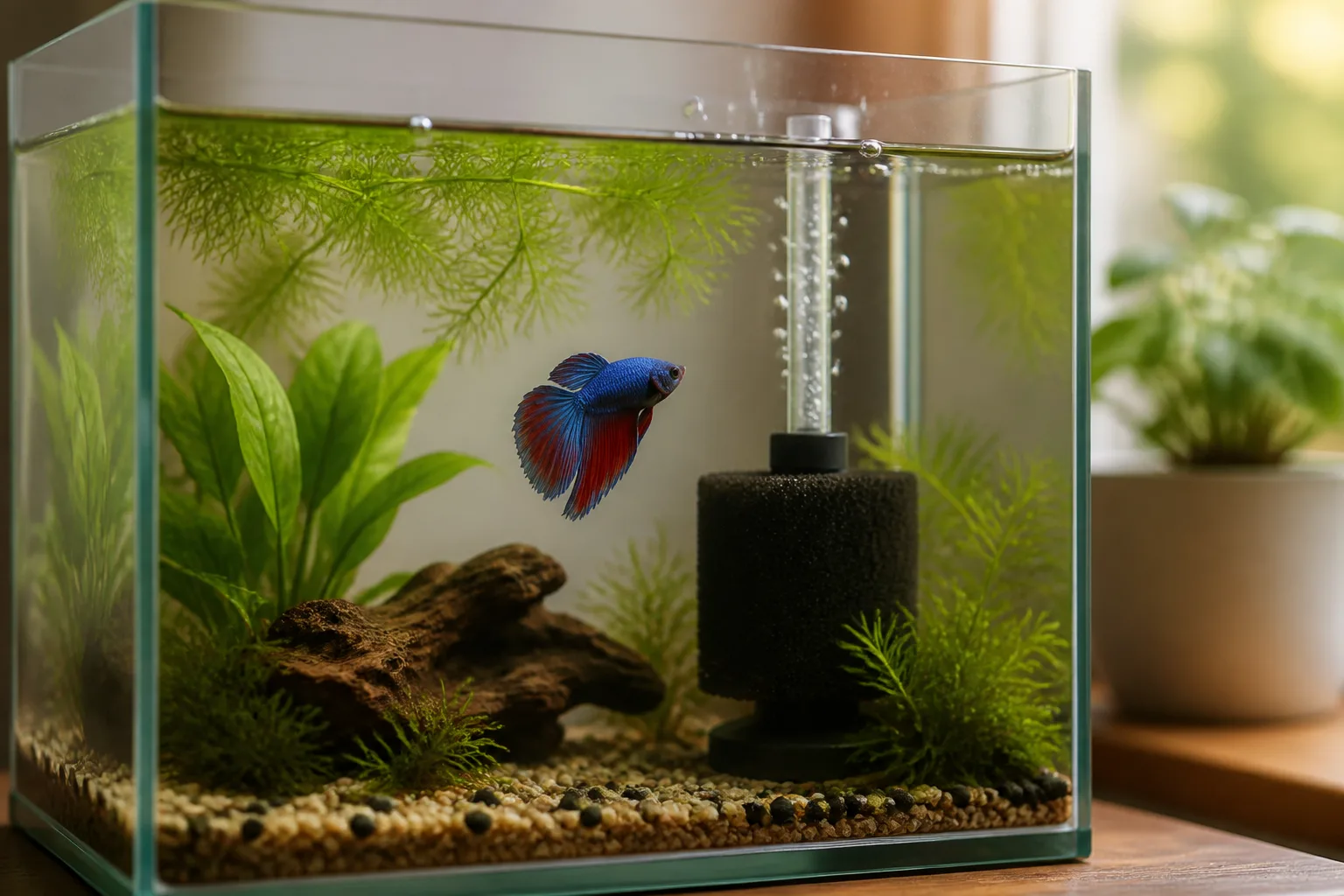
CO2 equipment is often sold as if one box solves the whole job. It does not. A complete system includes a compatible gas cylinder, regulator, needle valve, bubble counter, tubing and diffuser. A regulator or kit may supply only part of that chain. This research-based guide is not a hands-on test. Confirm thread type, cylinder compatibility, power requirements and current retailer stock before ordering.
Quick comparison
| Product | Best for | Main drawback |
|---|---|---|
| Fluval Pressurized CO2 Kit | A matched starter setup | Cylinder format needs checking |
| CO2Art Pro-SE Regulator | Refillable-cylinder systems | It is not a complete kit |
| FZONE Aquarium CO2 Regulator | Compact controlled dosing | Check connector and voltage |
| UNS Mini CO2 Regulator | Nano planted tanks | Limited scale for larger aquariums |
| Dennerle Nano CO2 Complete Set | Purpose-built complete set | Disposable cartridges are brand-specific |
| Milwaukee MA957 CO2 Regulator | Adding control to an existing cylinder | You still need diffuser and tubing |
| AQUARIO Neo CO2 Diffuser | Fine bubbles in planted tanks | A diffuser is not a gas-control system |
Our picks
Fluval Pressurized CO2 Kit
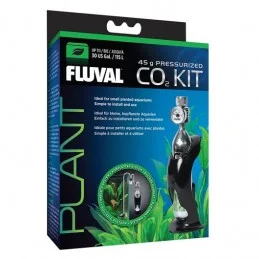 Fluval’s pressurized kit is the clearest fit here when you want a package rather than a parts hunt. Read the contents carefully. A kit can include a small disposable or proprietary cylinder arrangement rather than the refillable tank you already own. Check the connector before checkout and leave room above or beside the aquarium for the gas supply. Use the bubble counter to make changes repeatable, then send gas through the supplied diffuser or a compatible replacement. Pros: a coherent starting path. Cons: cylinder availability and replacement-part compatibility can narrow your options.
CO2Art Pro-SE Regulator
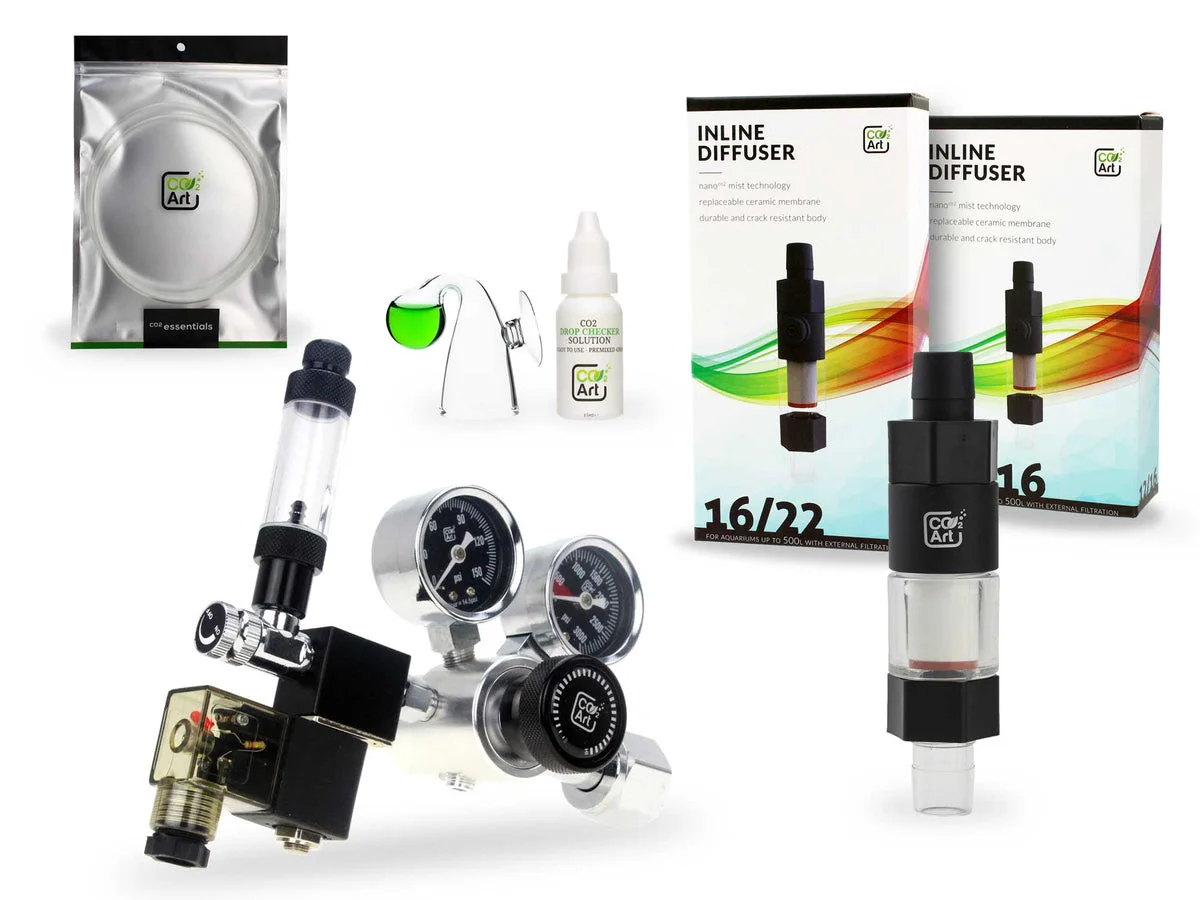 The CO2Art Pro-SE is a regulator choice for a buyer building around a refillable cylinder. A regulator controls pressure and fine delivery, but it is only one part of the system. Confirm the cylinder connection, then add CO2-resistant tubing, a bubble counter, a solenoid if you want timed control, and a diffuser sized to the tank. This route makes future component replacement easier, though the initial setup asks more of you. Pros: flexible system building and adjustable delivery. Cons: the final cost and compatibility work sit with the buyer.
FZONE Aquarium CO2 Regulator
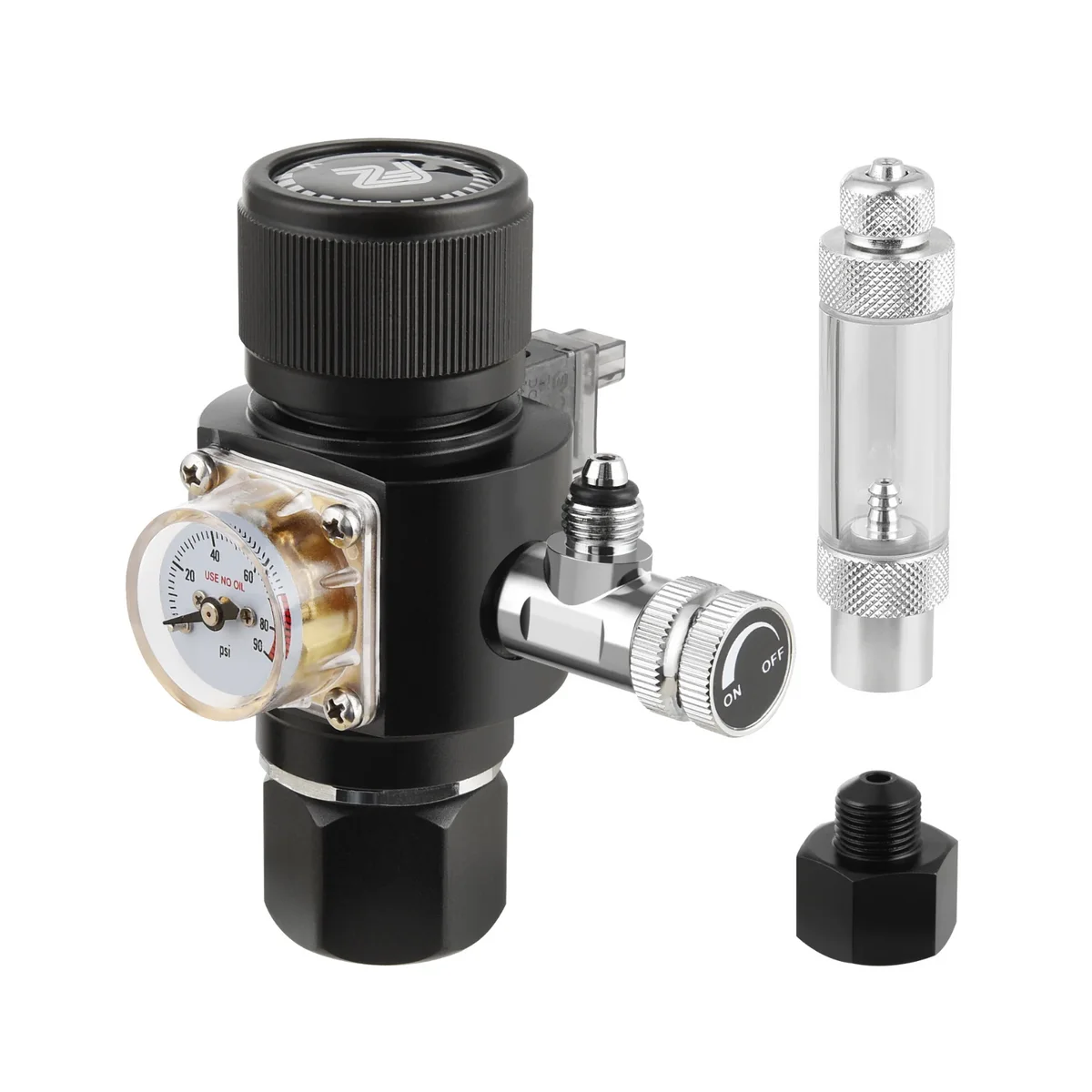 FZONE’s aquarium regulator belongs on a shortlist when compact control is more important than buying a full bundle. Check whether the listing includes a solenoid, bubble counter and the connector for your cylinder. The solenoid is useful if you want injection to follow a light schedule, but it also introduces a plug, timer and another connection to inspect. Pros: a focused way to add regulation to an existing setup. Cons: buyers must supply the missing diffuser, tubing and gas source, then verify electrical fit.
UNS Mini CO2 Regulator
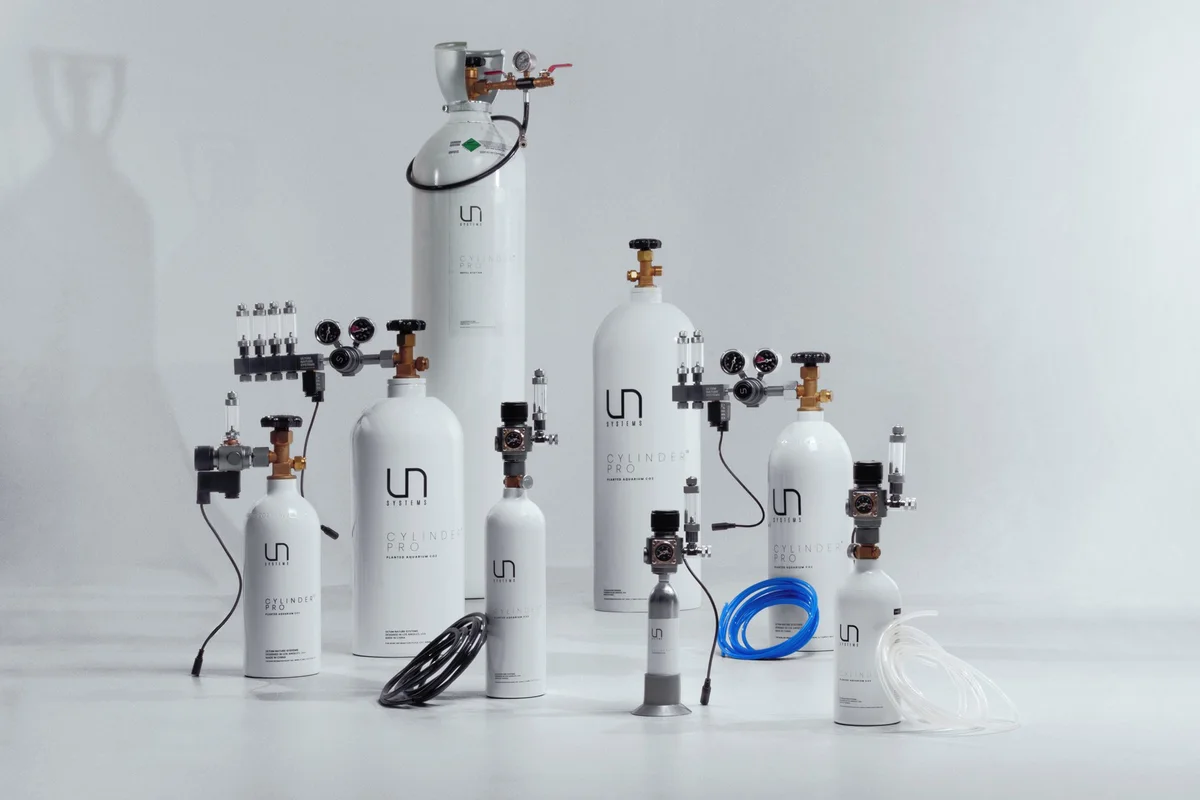 The UNS Mini regulator makes most sense on a nano aquarium where the equipment has to stay small and adjustments need to be gentle. Do not choose it for a larger tank simply because the name sounds tidy. Confirm its cylinder format and whether your chosen diffuser can deliver the fine bubbles you need at the available pressure. Pros: compact footprint for small aquascapes. Cons: a small regulator and cylinder arrangement leave less room for output and refill convenience on a bigger planted tank.
Dennerle Nano CO2 Complete Set
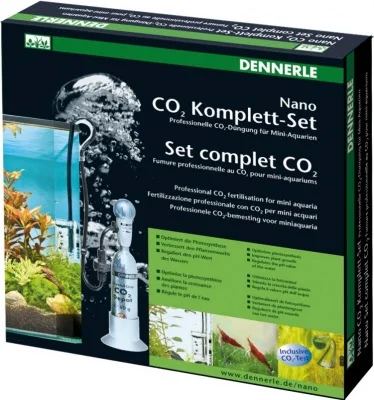 Dennerle’s Nano Complete set is aimed at the buyer who wants the main pieces selected as a group. That reduces the chance of pairing a regulator with the wrong tubing or diffuser, but it also ties you to its cartridge format. Check the stated tank range and cylinder type for the exact set. Pros: simpler first installation and a consistent accessory path. Cons: replacement consumables may be less convenient than standard refillable parts.
Milwaukee MA957 CO2 Regulator
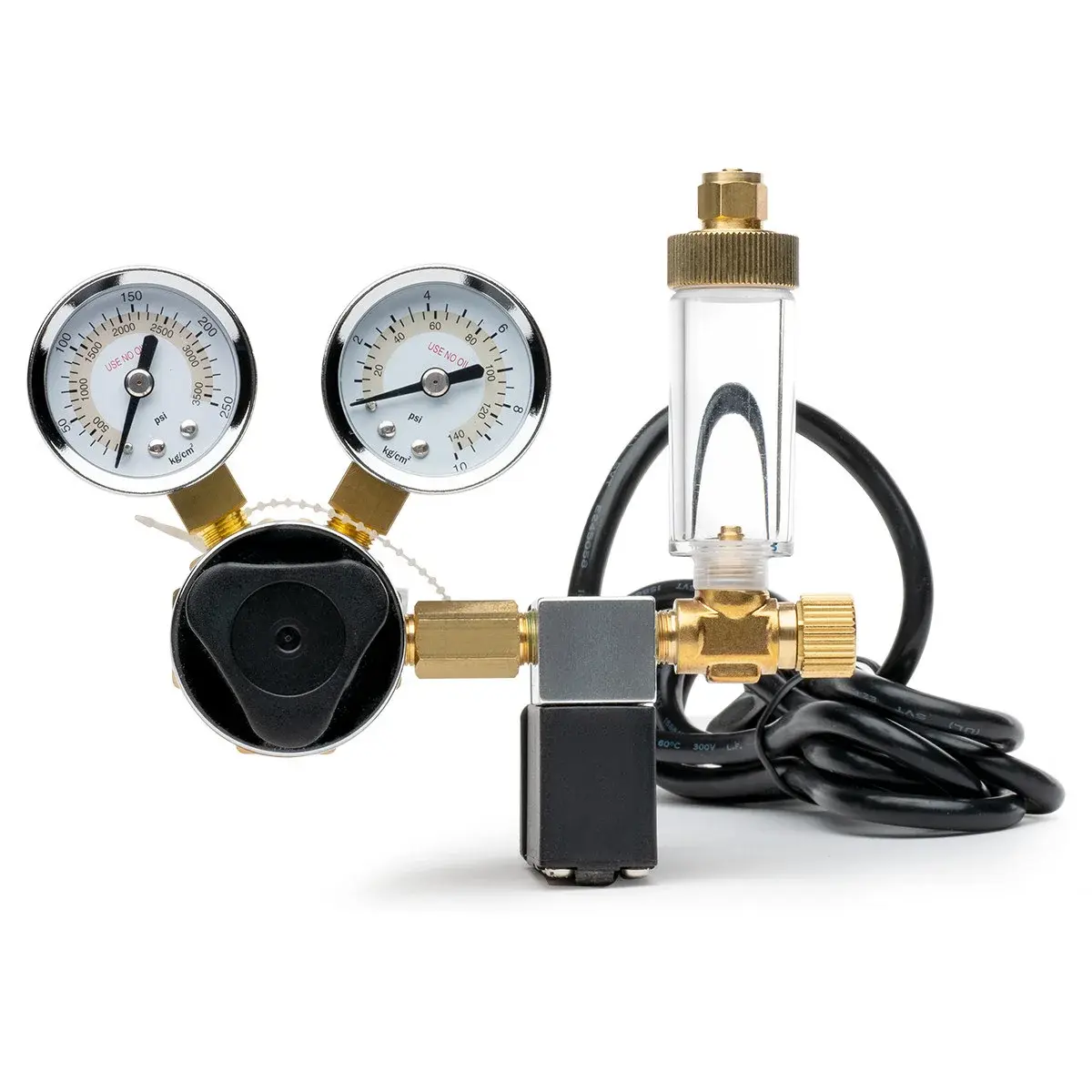 Milwaukee’s MA957 suits an existing pressurized setup that needs controllable delivery and a solenoid valve. It is not the same purchase as a complete CO2 system, so budget for a diffuser, tubing and a compatible cylinder if those are not already on your shelf. Pros: useful as the control center in a modular setup. Cons: more separate parts mean more seals to check and more opportunities to order an incompatible connector.
AQUARIO Neo CO2 Diffuser
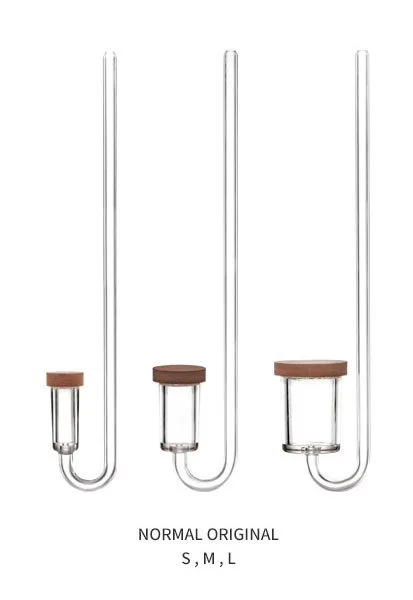 The AQUARIO Neo is a diffuser pick for a buyer who already has the cylinder and regulator sorted. Its job is to break gas into bubbles in the aquarium. It cannot regulate cylinder pressure, count delivery on its own or turn injection on and off. Put it low in a high-circulation area so dissolved gas travels through the tank, and clean the ceramic when bubbles become coarse. Pros: a useful final stage for a modular system. Cons: buying a diffuser alone does not give you a safe or complete CO2 installation.
What a planted-tank CO2 system includes
Separate the purchase into five jobs. The cylinder stores the gas. The regulator reduces cylinder pressure and provides controlled output. A needle valve makes small delivery changes, while a bubble counter gives you a repeatable visual reference. Tubing carries the gas, and the diffuser dissolves it into the water. A solenoid is optional, but it lets a timer control the gas schedule. If a listing says “regulator” or “diffuser,” do not assume the other pieces are in the box.
Cylinder compatibility comes first. Match the regulator connection to the cylinder you can actually refill or exchange locally. Disposable cartridges, refillable paintball-style cylinders and larger beverage cylinders are not interchangeable by wishful thinking. Check the exact thread, washer requirement and working orientation in the current manufacturer instructions. Keep the cylinder upright and secured so it cannot fall against the glass.
Install in order. Secure the cylinder, fit the regulator, connect CO2-rated tubing, add the bubble counter, then connect the diffuser. Before opening gas, inspect every joint. A leak check with soapy water can expose a problem at the regulator or tubing connection. Keep the electrical solenoid and timer dry. Start with a conservative bubble rate, allow the diffuser time to distribute gas, and change one setting at a time.
Tank scale changes the decision. A nano aquarium needs very small, repeatable adjustments and a diffuser that does not overwhelm the water volume. A large planted tank may justify a refillable cylinder, a stronger regulator and an inline diffuser connected to the filter return. Do not copy a bubble count from another aquarium. Bubble size, pressure, plant mass, surface movement and diffuser position all change the result.
Use a drop checker only as a rough visual aid, not as a laboratory meter. Watch fish and shrimp as you tune. If livestock gasp, hide, or behave abnormally, stop CO2 injection, increase surface agitation and reassess before adding more gas. Plants do not require a dramatic setting to benefit from a stable one. The safety margin matters more than chasing a fast change.
Frequently asked questions
Is a CO2 regulator the same as a complete aquarium system?
No. A regulator controls gas from a cylinder. A complete system also needs compatible tubing, a bubble counter, diffuser and gas source, with a solenoid and timer if timed dosing is wanted.
Can I use any CO2 cylinder with an aquarium regulator?
No. Confirm the connector, thread, washer and cylinder type for the exact regulator. Local refill availability matters too.
Does a solenoid replace a bubble counter?
No. A solenoid controls when gas flows. A bubble counter helps you see and repeat the delivery setting.
Where should the diffuser go?
Place it low in an area with good circulation, often below the filter return. Avoid a dead corner where bubbles reach the surface before dissolving.
Do small planted tanks need CO2?
No. CO2 is optional. If you add it to a nano tank, make tiny changes and observe livestock closely because the water volume leaves less room for error.
Recommendation
Buy a complete set when you want matched parts and a simpler first installation. Choose a regulator and diffuser separately when you already own a refillable cylinder or need to tailor the system to a larger planted tank. In every case, match the cylinder, count delivery, diffuse gas in moving water and tune slowly.
Sources and methodology
We checked product and system information from Fluval, CO2Art, FZONE, UNS, Dennerle, NilocG Aquatics, and AQUARIO. We compared complete-kit contents, regulator versus diffuser roles, cylinder compatibility, solenoid and bubble-counter workflow, planted-tank scale and safety tradeoffs. No hands-on testing was performed, and no output, lifespan or price claim is made without a current model-specific source.