
Buying guide
Best wavemaker for SPS corals
For SPS corals, the useful wavemaker is the one you can tune around rockwork, inspect easily, and keep running without a harsh single jet.
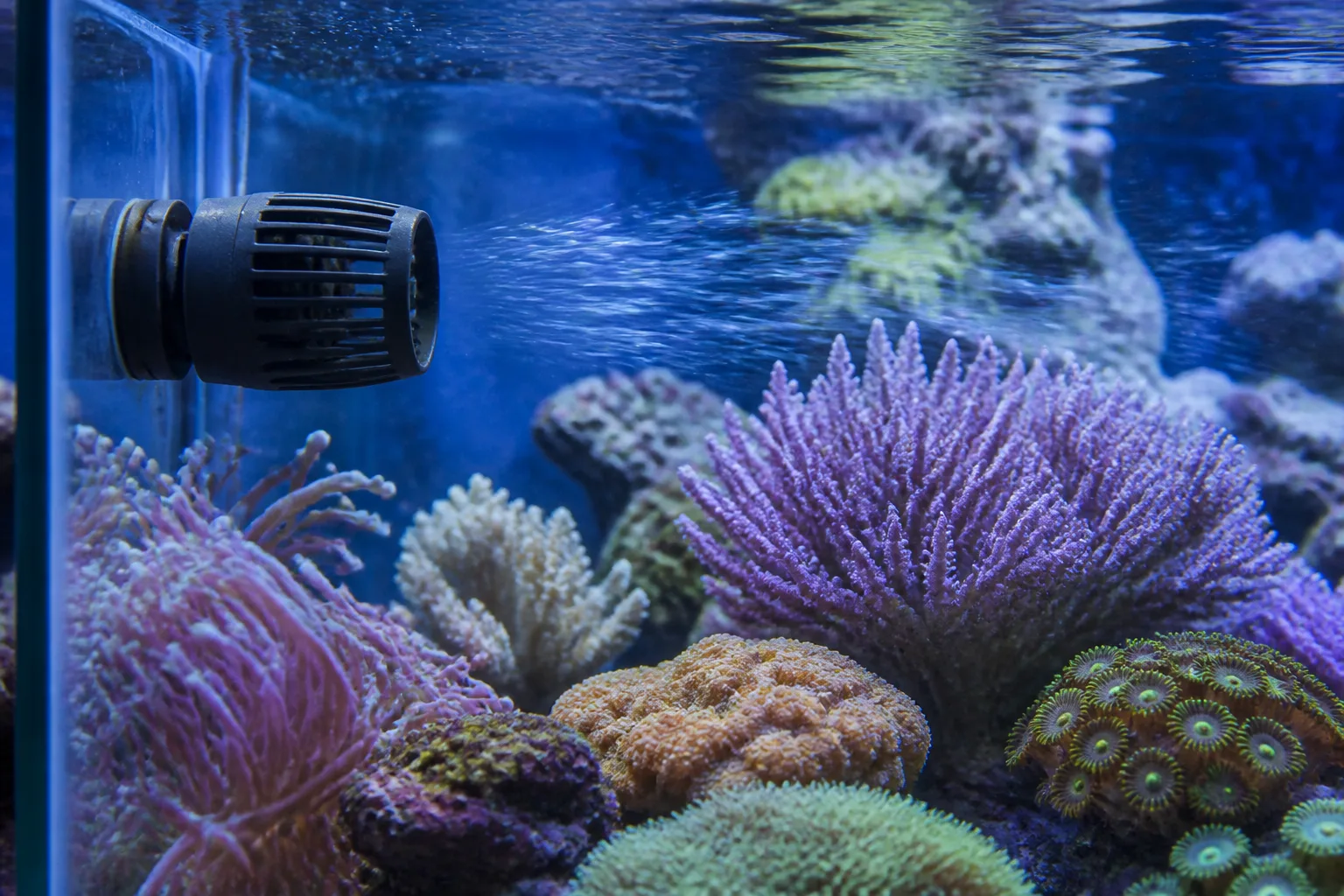
SPS corals usually do better with changing movement than with a fixed blast from one corner. My first choice for many mixed SPS reefs is the AI Nero 5, provided its magnet and size suit the glass. The EcoTech Vortech MP40 is a better fit when keeping hardware out of the display matters more than a simpler installation. This is research, not hands-on testing. Verify the exact variant, glass compatibility, controller, and included parts before ordering.
Quick comparison
| Product | Best for | Main drawback |
|---|---|---|
| AI Nero 5 | Compact controllable flow | Magnet and app setup need checking |
| EcoTech Vortech MP40 | External-motor mounting | Higher-cost ecosystem |
| Tunze Turbelle Stream 3 | Broad directional movement | Bulky display-side body |
| Sicce Voyager HP | Straightforward circulation | Fewer advanced patterns on some variants |
| Jebao SLW-10 | Budget control | App and support experience varies |
| Hygger Quiet Magnetic Aquarium Wavemaker | Basic magnetic mounting | Confirm controller features |
| Maxspect Gyre XF330 | Long, horizontal spread | Cleaning the rotors takes planning |
This is a research-based guide, not a hands-on test. Confirm the exact model, glass compatibility, controller, included parts, and retailer stock before ordering.
Our picks
AI Nero 5
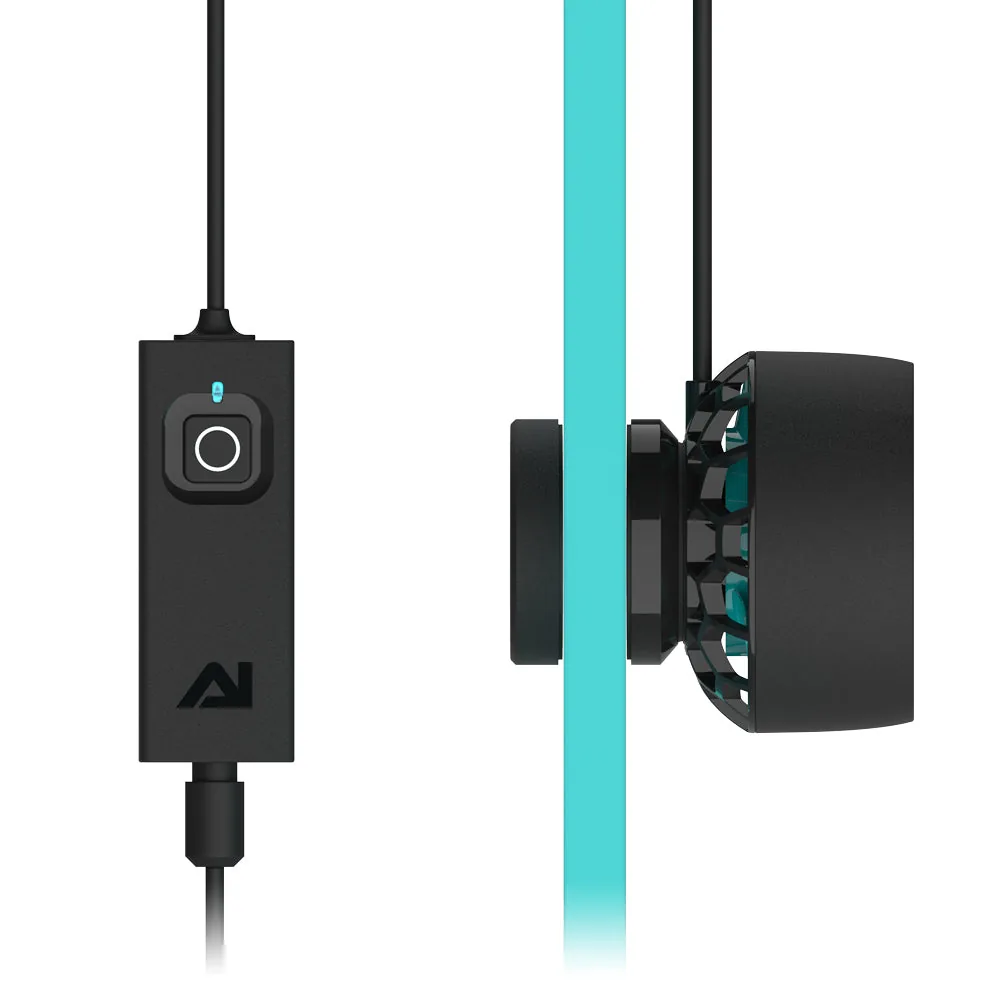 The Nero 5 makes sense when you want a small in-tank pump with app-based control. AquaIllumination documents constant, pulse, and random modes, so you can begin with a steady setting and introduce variation once the coral has settled. Place it high enough to move the surface without drawing air, then angle it across rock rather than straight at a colony. Its drawback is practical: you still need to confirm the glass thickness and leave room to remove the wet side for cleaning. Pros: compact format, useful pattern choices, accessible control. Cons: app dependence and a magnet fit that must be checked.
EcoTech Vortech MP40
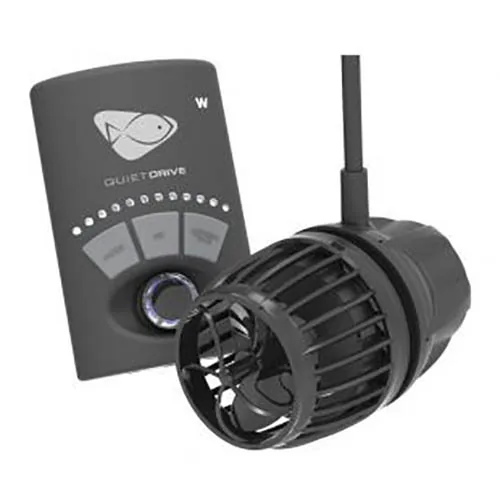 The Vortech MP40 is the pick for a reefer who wants the motor outside the water. That layout leaves less equipment in the display and can make cleaning the wet side less awkward. It also creates a particular installation requirement: align the outside driver and inside wet side carefully, and keep the cord and controller dry. Use a broad pattern through the rock structure, not a permanent point-blank stream. The tradeoff is cost and ecosystem complexity. Pros: external motor, programmable reef patterns, clean display. Cons: alignment matters, and replacement parts are specific.
Tunze Turbelle Stream 3
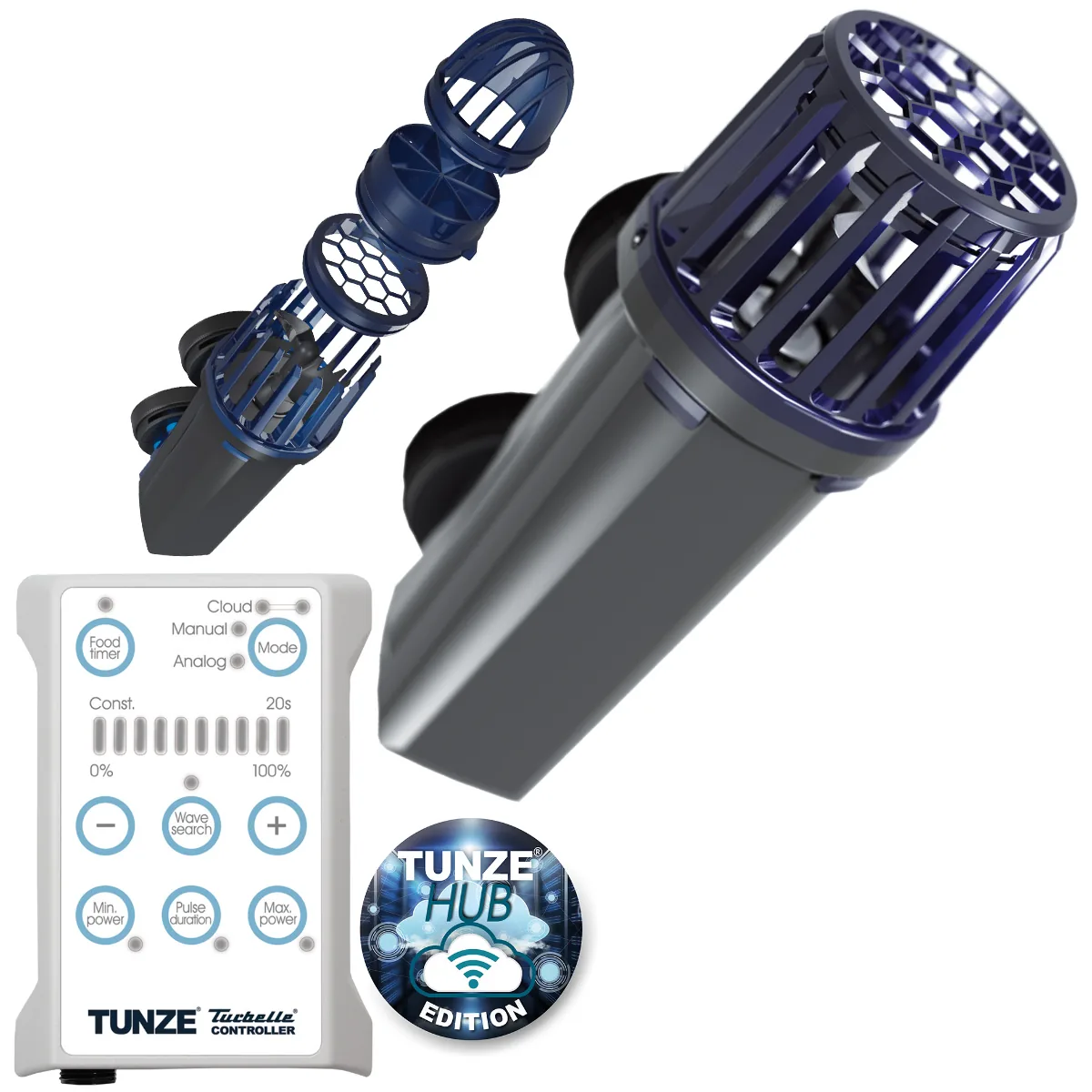 Tunze’s Stream 3 suits aquariums where a wide, directed current must reach around rockwork. Its form is less discreet than a small nano pump, but that larger body can be easier to position deliberately in a spacious reef. Check the current controller and mounting arrangement before purchase, especially if you want timed changes rather than a constant stream. Keep the intake clear of loose coral rubble. Pros: broad directional format, established service path, useful for larger layouts. Cons: visible in the tank and less convenient in cramped rear chambers.
Sicce Voyager HP
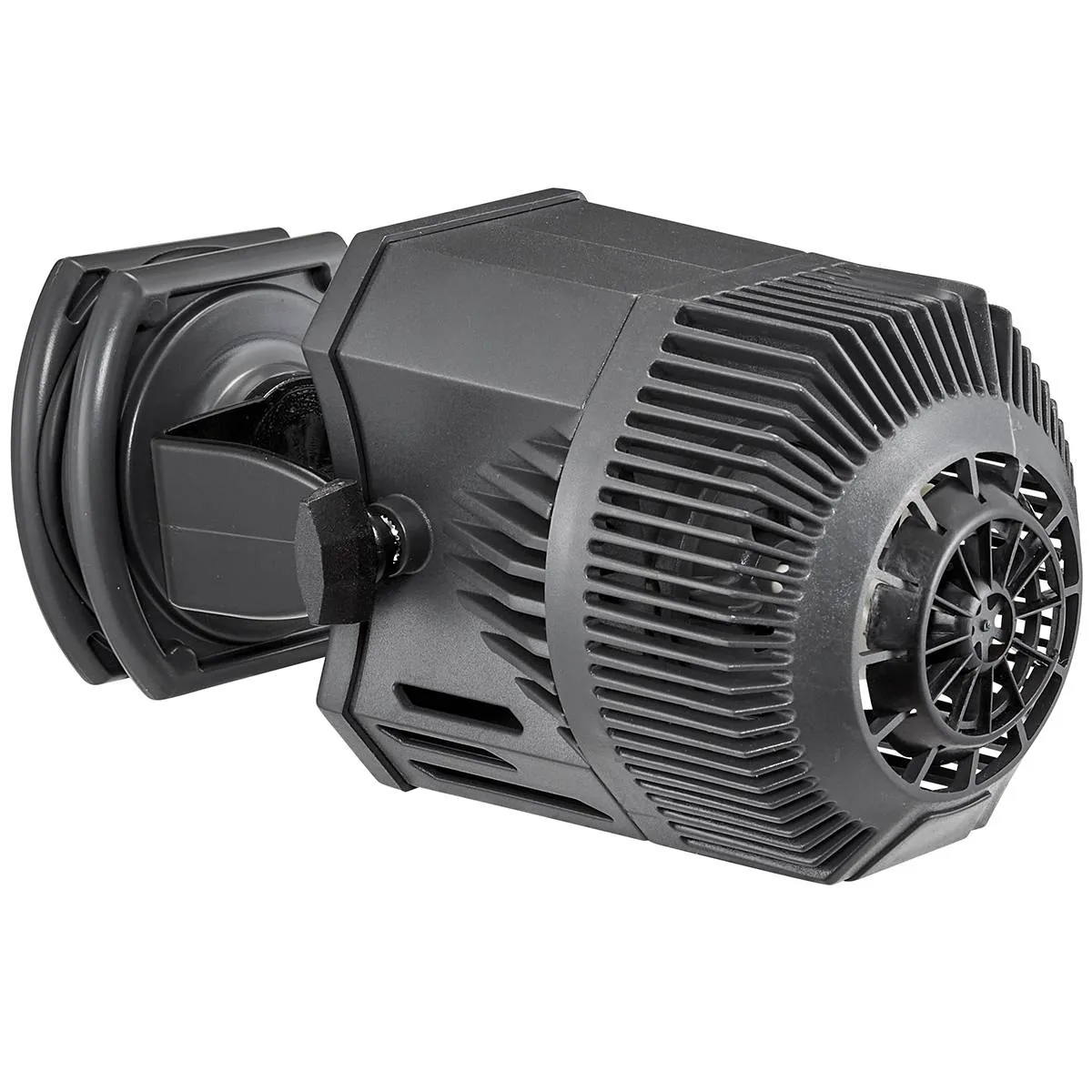 The Voyager HP is a sensible choice when you value a conventional circulation-pump shape and a mounting method you can understand at a glance. It is useful for directing flow behind a bommie or across the surface, then using rock and glass to break up the stream. Before buying, confirm whether the exact listing includes a controller or only the pump. That detail changes how easily you can make a varied SPS schedule. Pros: familiar layout, simple placement, broad model range. Cons: control features depend on the exact package.
Jebao SLW-10
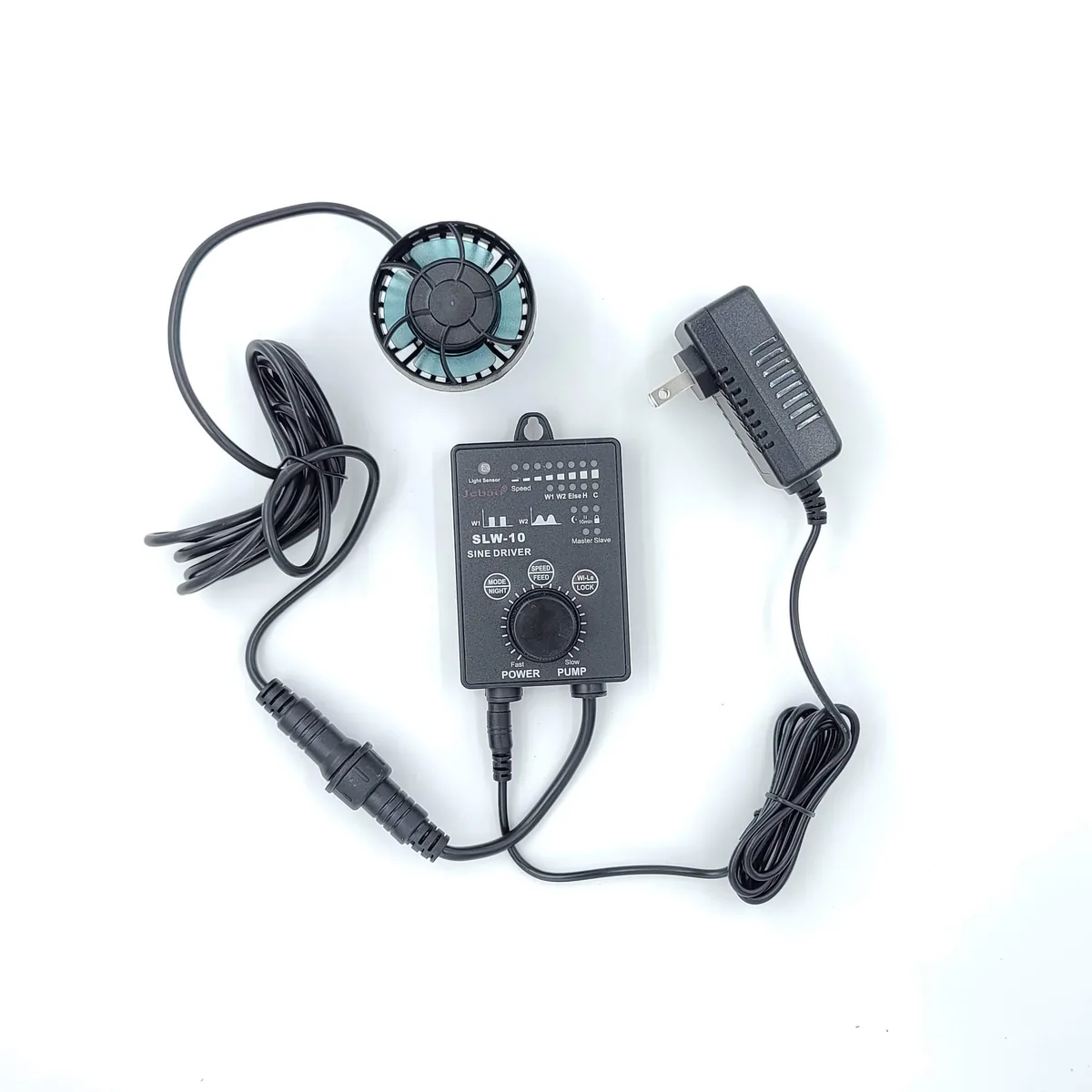 The SLW-10 is worth considering when you need controllable movement but have a tighter equipment budget. Its low-profile style can sit against a side panel and push across the reef instead of straight down a channel. Treat marketplace listings carefully. Check the controller generation, plug type, replacement wet-side availability, and return terms. The specific drawback is long-term support uncertainty compared with brands with a clearer service network. Pros: controllable format, useful for cross-tank flow, often sold as a complete controller set. Cons: listings vary and support can be inconsistent.
Hygger Quiet Magnetic Aquarium Wavemaker
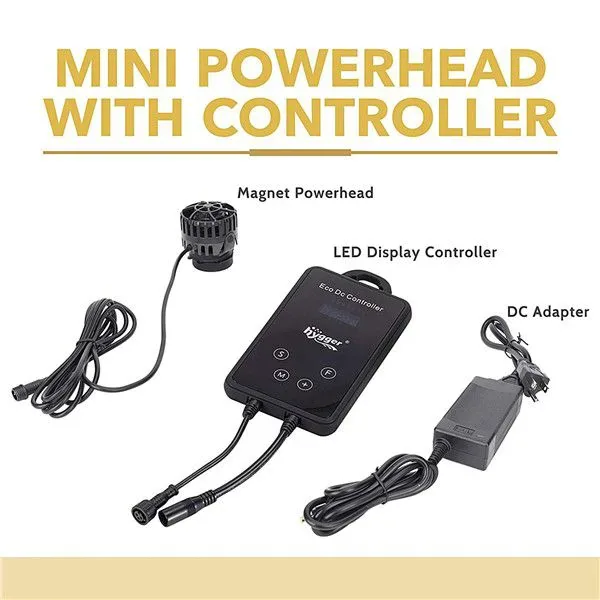 Hygger’s magnetic wavemakers suit buyers who want a basic pump and straightforward adjustment. Read the listing for the exact controller and the guard around the propeller. A protective cage is useful when fish, snails, or loose tissue may approach the intake, though every guard also adds a place for algae and detritus to collect. Use it as one part of a two-direction flow plan rather than expecting one pump to solve every dead spot. Pros: simple magnetic mounting, approachable controls, useful budget option. Cons: model names are easy to mix up, so inspect the included control box.
Maxspect Gyre XF330
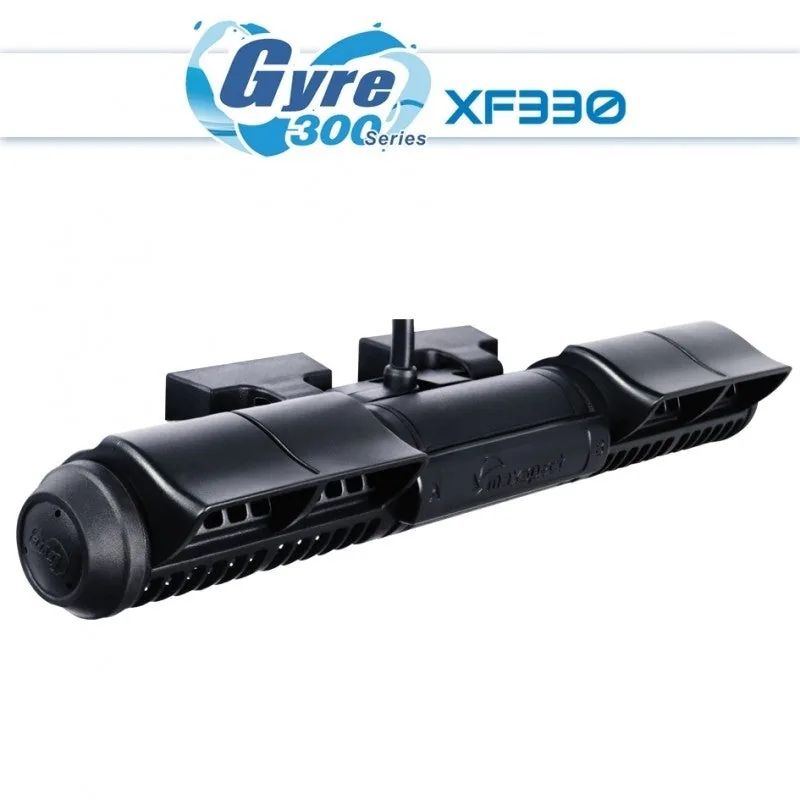 The Gyre XF330 is the unusual pick here. Instead of a narrow cone, its rotor arrangement is intended to move water along a longer plane. That can help when rockwork creates a stagnant back corner, but it also means placement deserves more thought. Leave access to the rotor cages and plan a cleaning routine before the pump is buried behind coral growth. Pros: horizontal spread, useful for long tanks, strong pattern potential. Cons: the rotor assembly takes more time to service than a small propeller pump.
How to choose an SPS wavemaker
Start with the tank map. Mark the overflow, return nozzle, tallest colonies, low-flow coral shelves, and any sand that already moves. A wavemaker should fill gaps in that map. Put one pump across the front and use rock to diffuse it, or place paired pumps so their streams meet and change direction. Avoid aiming directly at a newly mounted frag. Tissue can retract when the flow is too concentrated even if the rest of the tank looks active.
Control matters because SPS growth changes the map. Pulse and random modes can vary the direction and intensity, while a constant mode is useful during acclimation or after maintenance. A schedule with abrupt jumps is harder to read than gradual changes. Make one adjustment, watch the coral and sand, then leave the setting alone long enough to see the result.
Inspect the magnet, propeller guard, cable, and controller location. A guard protects livestock but collects film. A strong magnet holds securely but can chip glass if it snaps together. Keep the pump cable above a drip loop and make sure the controller cannot sit where salt spray reaches it. During service, unplug the pump, remove the wet side, and clean calcium deposits according to the manufacturer’s instructions. Do not scrape a ceramic shaft with a metal tool.
Frequently asked questions
What flow pattern is best for SPS corals?
There is no single setting for every reef. Start with a gentle constant or pulse pattern, then add irregular movement as colonies acclimate. The useful result is movement through the branches and around the rock, not a jet that folds tissue in one spot.
Should a wavemaker point at SPS coral?
Usually, point it across or past the colony. Let the stream hit rock or the surface first so it spreads. If polyps stay retracted or tissue flutters hard, reduce intensity or change the angle.
Do SPS tanks need two wavemakers?
Many layouts benefit from two sources because paired currents reduce dead spots and soften a single directional stream. The tank shape, rockwork, return pump, and coral placement decide whether a second pump is useful.
How often should I clean a wavemaker?
Clean it when algae, calcium deposits, or a change in sound reduces its movement. Unplug it before opening the wet side, inspect the propeller and guard, and follow the maker’s service instructions.
Is a propeller guard worth having in a reef tank?
It can reduce the chance of livestock contacting the rotor. It also adds a surface that needs cleaning and may change the flow shape. Choose the guard only when it fits the exact pump and remains easy to remove.
Recommendation
Choose the AI Nero 5 for a compact, controllable in-tank setup. Choose the EcoTech Vortech MP40 when an external motor and a cleaner display justify the extra ecosystem cost. For either one, the placement plan matters more than the product label. Leave service access, use a drip loop, and tune flow around the coral rather than chasing a headline output claim.
Sources and methodology
We checked manufacturer material from AquaIllumination, EcoTech Marine, Tunze, Sicce, Jebao, Hygger, and Maxspect. We compared control approach, mounting, flow shape, guard access, and routine service. The product images are illustrative reef equipment visuals and do not claim to show each exact model. No hands-on testing was performed. Confirm current model details and retailer availability before checkout.