
Buying guide
Best aquarium test kit for a reef tank
For a reef tank, the best test setup covers the values you manage and is easy to use the same way each time.
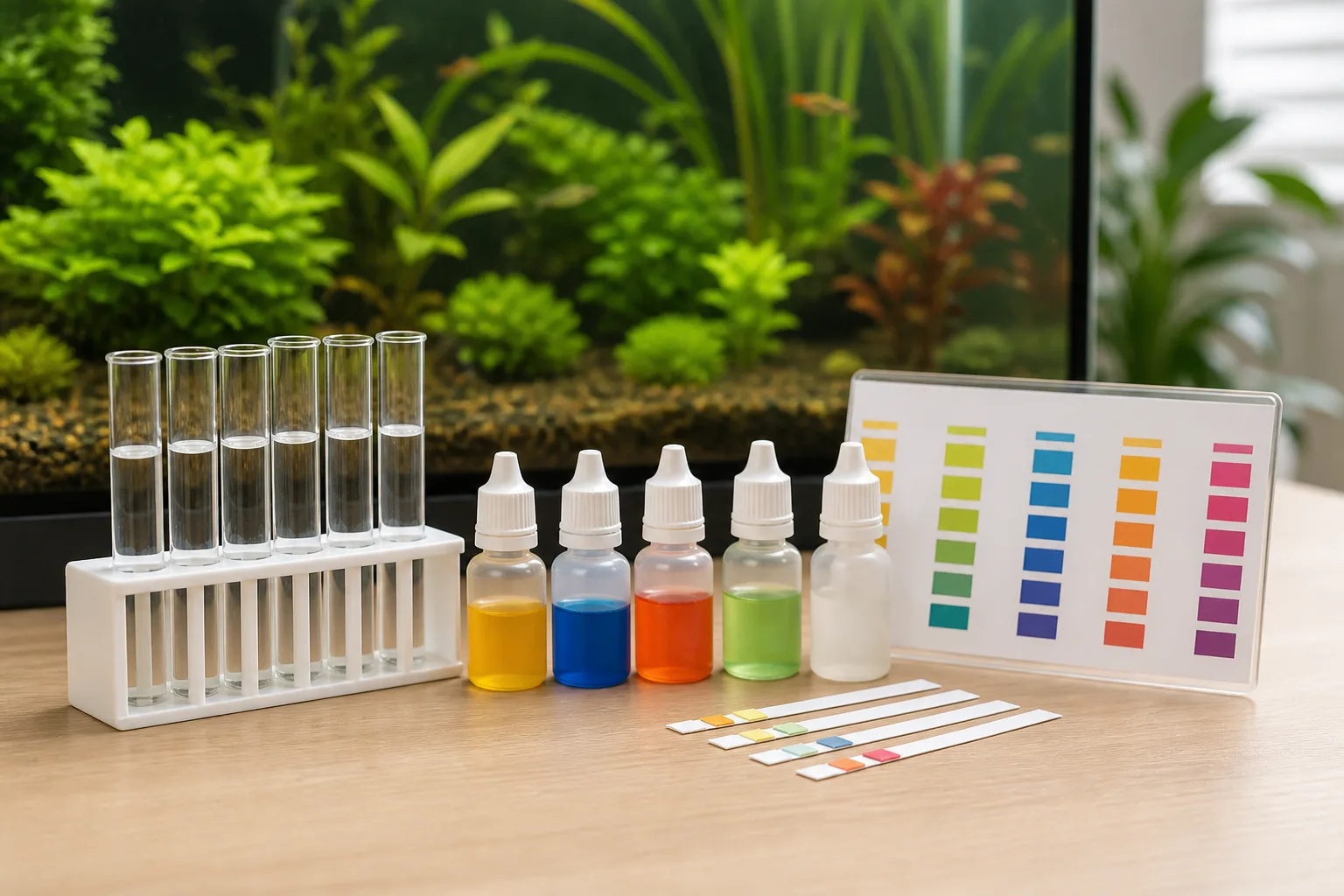
Quick comparison
| Product | Best for | Main drawback |
|---|---|---|
| Red Sea Marine Care Test Kit | One marine care box | Does not cover every reef dosing value |
| API Saltwater Master Test Kit | New or cycling marine tanks | Reef-specific add-ons may be needed |
| Hanna Marine Alkalinity Checker HI772 | Repeatable alkalinity checks | Single-parameter instrument |
| Hanna Marine Phosphate ULR Checker HI736 | Low-phosphate monitoring | Timed reagent workflow |
| Salifert KH Profi-Test | Dedicated KH testing | Answers one chemistry question |
| JBL ProAquaTest Marine | Broad marine screening | Confirm current regional contents |
| Sera Marin Test | Occasional saltwater checks | Unused tests can add reagent burden |
This is a research-based guide, not a hands-on test. Product contents and names can vary by market, so confirm the exact listing, included reagents, instructions, and replacement supply before checkout. A result is useful only when the sample, timing, and reading method stay consistent. Repeat a surprising result before changing the tank.
Our picks
Red Sea Marine Care Test Kit
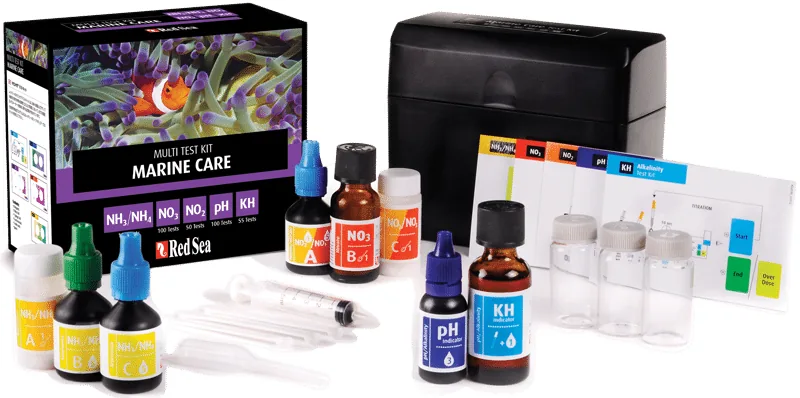 Red Sea’s Marine Care Test Kit is a sensible starting point when one reef tank needs a routine marine check rather than a shelf of single tests. Its shared workflow and one storage box make it easier to repeat checks after a water change or while a new system settles. It is less suited to an established, heavily dosed reef where alkalinity, calcium, and phosphate each deserve their own method. Read the current insert before relying on the box contents. Pros: cohesive marine routine; easy to store; useful first purchase. Cons: not a complete answer for every reef parameter.
API Saltwater Master Test Kit
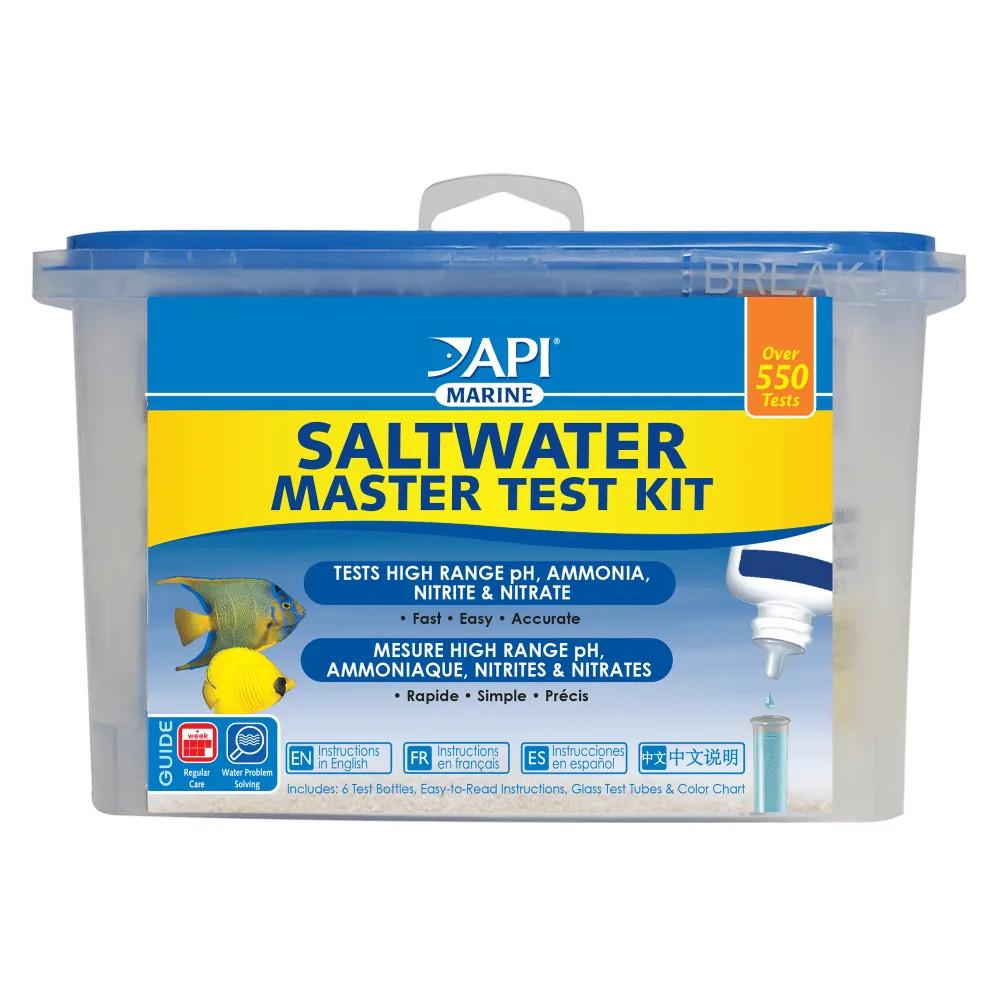 The API Saltwater Master Test Kit fits a keeper establishing a marine tank and wanting core water checks in a liquid-reagent format. It can help watch the nitrogen cycle and spot a change after livestock is added. The limitation is scope. A reef with regular dosing may need separate alkalinity, calcium, magnesium, or phosphate tools, so this box should not be sold as a coral-dosing monitor. The color cards reward good light and careful timing. Pros: useful marine baseline; liquid tests; good for a new setup. Cons: add-on tests are likely as the reef matures.
Hanna Marine Alkalinity Checker HI772
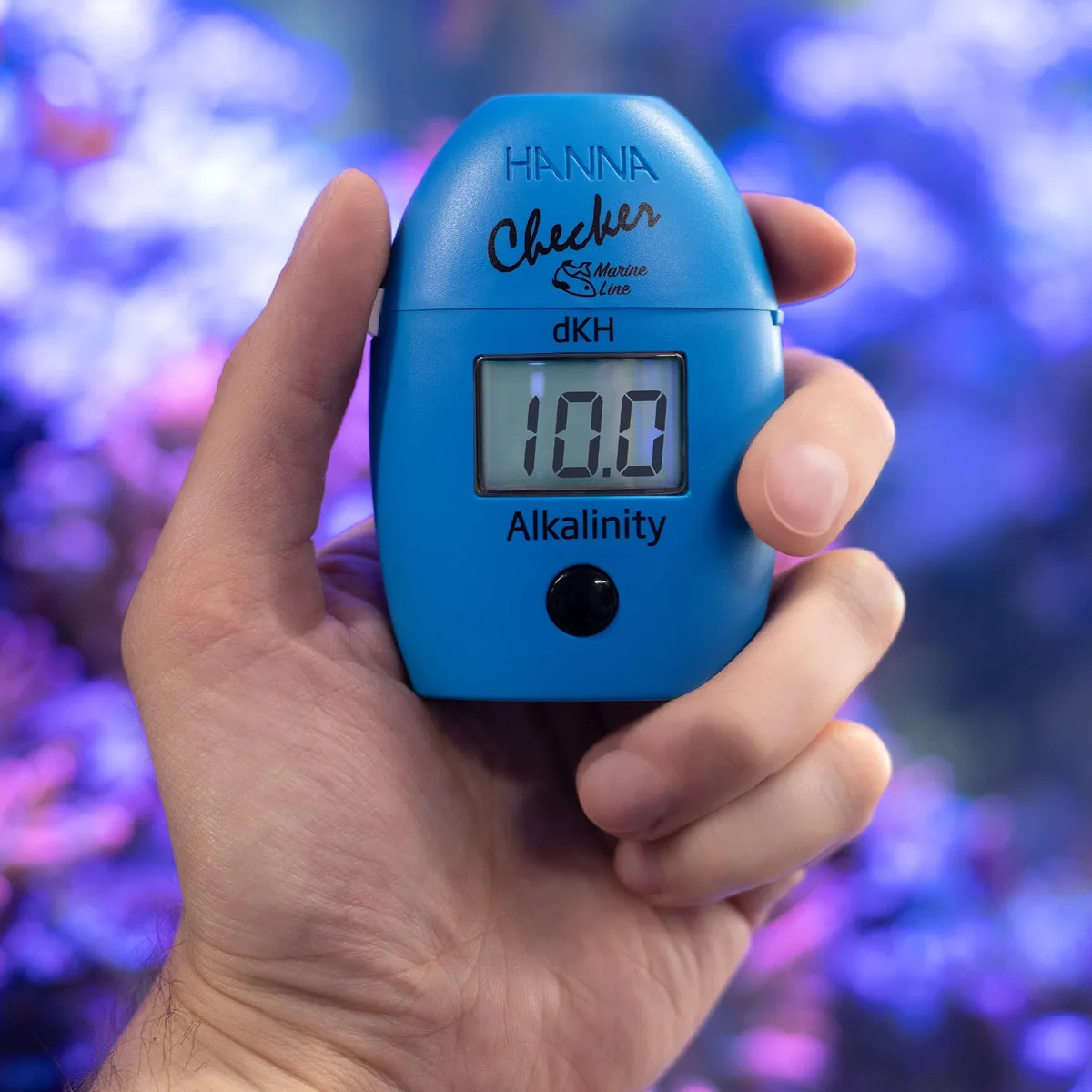 The Hanna HI772 makes sense when alkalinity is the number you adjust most often. A digital readout can be easier to compare in a log than judging a subtle color endpoint, especially while tracking a dosing change. It is still an instrument, not a shortcut around technique. Rinse the cuvette, avoid fingerprints, use the specified reagent, and follow the timer. It will not tell you whether nitrate, phosphate, calcium, or magnesium fit your reef. Pros: focused reef control; digital result; useful for trend logs. Cons: narrow coverage and ongoing consumables.
Hanna Marine Phosphate ULR Checker HI736
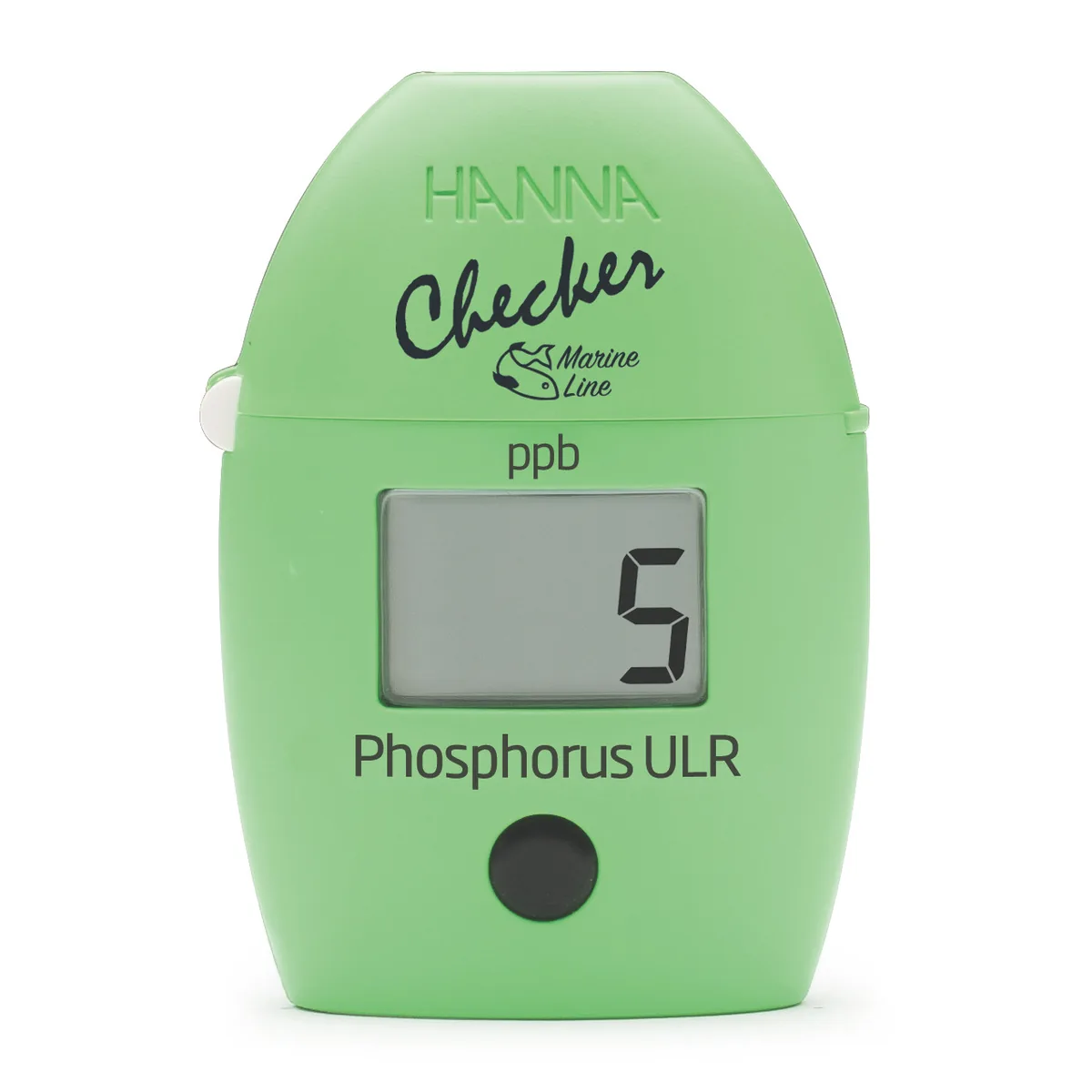 The HI736 is for a reef keeper watching phosphate closely and wanting a numerical instrument for that single job. It fits beside a marine baseline kit better than it fits as a first and only purchase. The sample and timed reagent steps demand a tidy bench. Keep the vial clean, mix as directed, and write down the unit shown by the device. A low reading is not automatically a reason to add nutrients or stop feeding. Pros: focused nutrient monitoring; digital display; useful comparisons. Cons: one parameter, with more handling than a quick strip.
Salifert KH Profi-Test
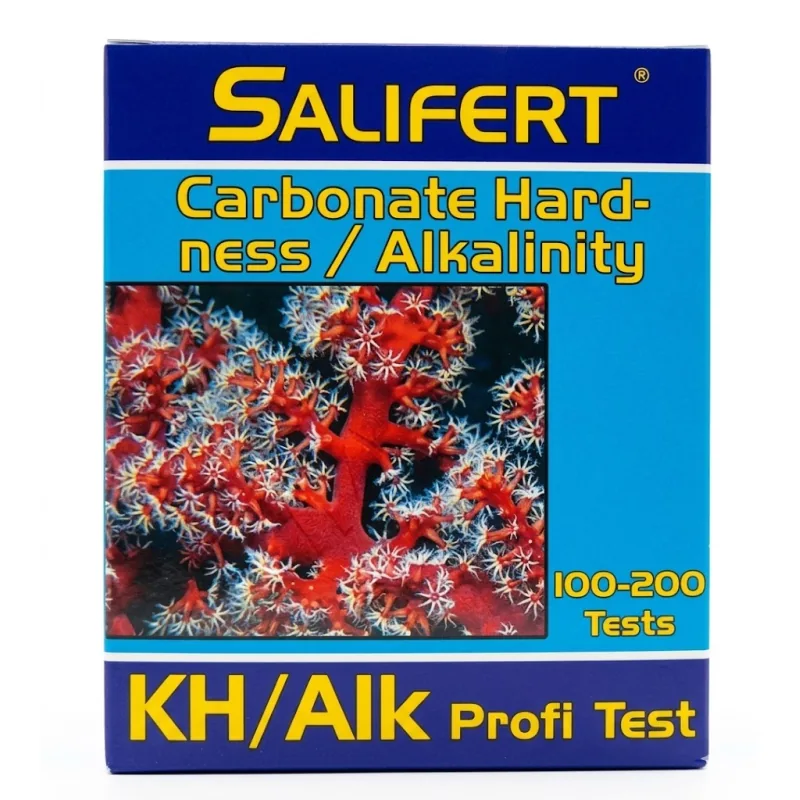 Salifert’s KH Profi-Test suits a keeper wanting dedicated alkalinity titration without buying an electronic checker. Add reagent until the stated endpoint, then compare properly repeated tests rather than mixing methods casually. The single-purpose format makes it clear what you are measuring and fits a dosing log. It takes patience and still needs separate nutrient and calcium checks when the aquarium requires them. Pros: dedicated KH workflow; compact single-test choice; clear role in a log. Cons: endpoint reading takes practice and covers no other value.
JBL ProAquaTest Marine
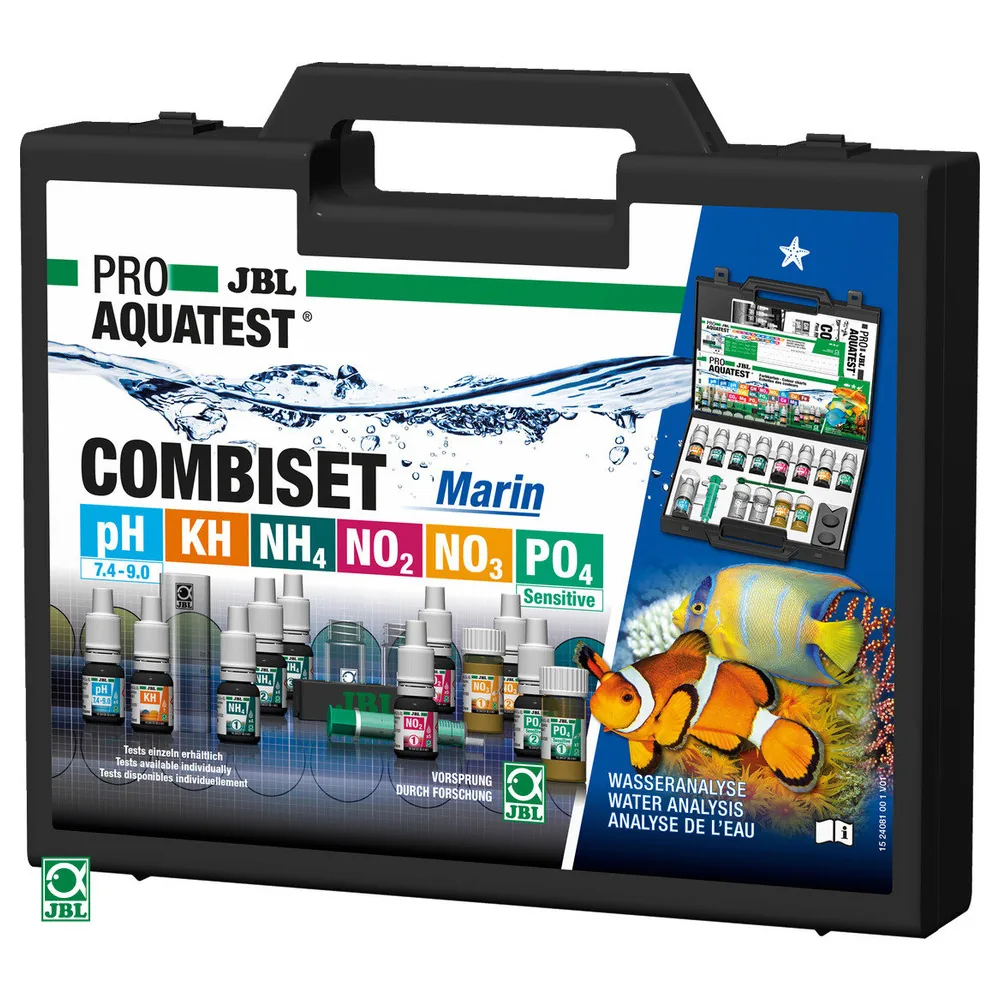 JBL ProAquaTest Marine is a broad-screening option for an aquarist who prefers a coordinated set of color tests. It works when several parts of a marine routine are checked in one session, but a larger selection can leave you paying for bottles that sit untouched. Confirm the current kit version in your country because packaging and contents change. Use a white background, clean glassware, and the printed reading time. Pros: marine orientation; one organized kit; suitable for scheduled checks. Cons: inefficient if you need only one targeted test.
Sera Marin Test
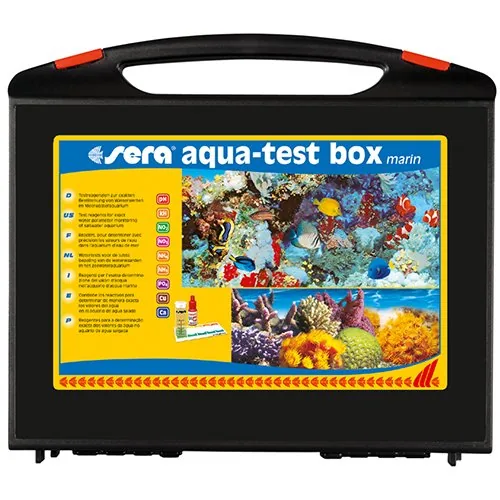 Sera Marin Test is worth considering for occasional checks when you already understand the values your reef needs. It is not a substitute for a plan. Start with tests linked to the livestock and maintenance routine, then add a dedicated checker only when a trend justifies it. Liquid tests create bottles to store and replace, so keep an inventory and discard anything past its stated life. Pros: marine focus; periodic screening; clear category fit. Cons: broad contents may waste reagent on a stable small reef.
How to choose a reef test kit
Start with the tank’s stage. During cycling or after livestock changes, ammonia, nitrite, nitrate, pH, and salinity form the useful foundation. A mature coral system may add alkalinity, calcium, magnesium, and phosphate because dosing, feeding, and water changes can move those values independently. That does not mean every reef needs every test every day.
Individual tests are often cleaner once you know your routine. A bundle is convenient at the beginning, while a dedicated alkalinity checker or KH titration makes sense when that number drives dosing. Do not compare the apparent precision of unlike methods without keeping the method constant. A digital device still needs a clean vial, fresh reagent, and a correct timer.
Keep a simple log with date, tank, method, result, and recent maintenance. Test at roughly the same point in the maintenance cycle. Store reagents as directed, close caps promptly, and keep the color card dry. If a result conflicts with coral behavior or a second method, pause before dosing and repeat the sample.
Frequently asked questions
What should a reef tank test kit cover?
Choose values tied to your livestock and dosing plan. A new marine tank usually needs cycling and salinity checks. A coral-focused tank may add alkalinity, calcium, magnesium, and phosphate. The best kit is the one you use and replace consistently.
Is a reef test kit different from a saltwater kit?
Often. A saltwater kit can cover general marine checks, while reef routines may need dedicated alkalinity, calcium, magnesium, or phosphate tests. Read the current contents instead of trusting the word “reef” on the box.
Are digital reef checkers worth it?
They can help with one parameter you track often. They still require careful sampling, clean glassware, and fresh reagents. Keep another method available when a result would lead to a major dosing change.
Should I buy a bundle or individual tests?
Buy a bundle when you are building a baseline routine and will use most of it. Choose individual tests when one value drives decisions. Unused reagents are not a bargain if they expire in the cabinet.
How should I react to an unexpected result?
Repeat the test using the printed procedure, check expiry and storage, and compare it with your log. Avoid correcting several parameters at once. A second sample is cheaper than chasing a bad reading.
Recommendation
For a new reef tank, start with a marine baseline such as the Red Sea or API kit and add the targeted test your maintenance plan uses. For a dosing-focused reef, the Hanna HI772 or Salifert KH test is the direct purchase. If phosphate is your recurring question, choose the HI736 and keep the other water checks on a separate schedule.
Sources and methodology
We checked manufacturer information from API Fishcare, Hanna Instruments, Red Sea, Salifert, JBL, and Sera. We compared stated purpose, workflow, parameter coverage, and reagent burden. Amazon links are search links so current model and regional contents can be verified. Images are category visuals and do not depict exact branded models. No hands-on testing was performed.